
Last updated October 15, 2026
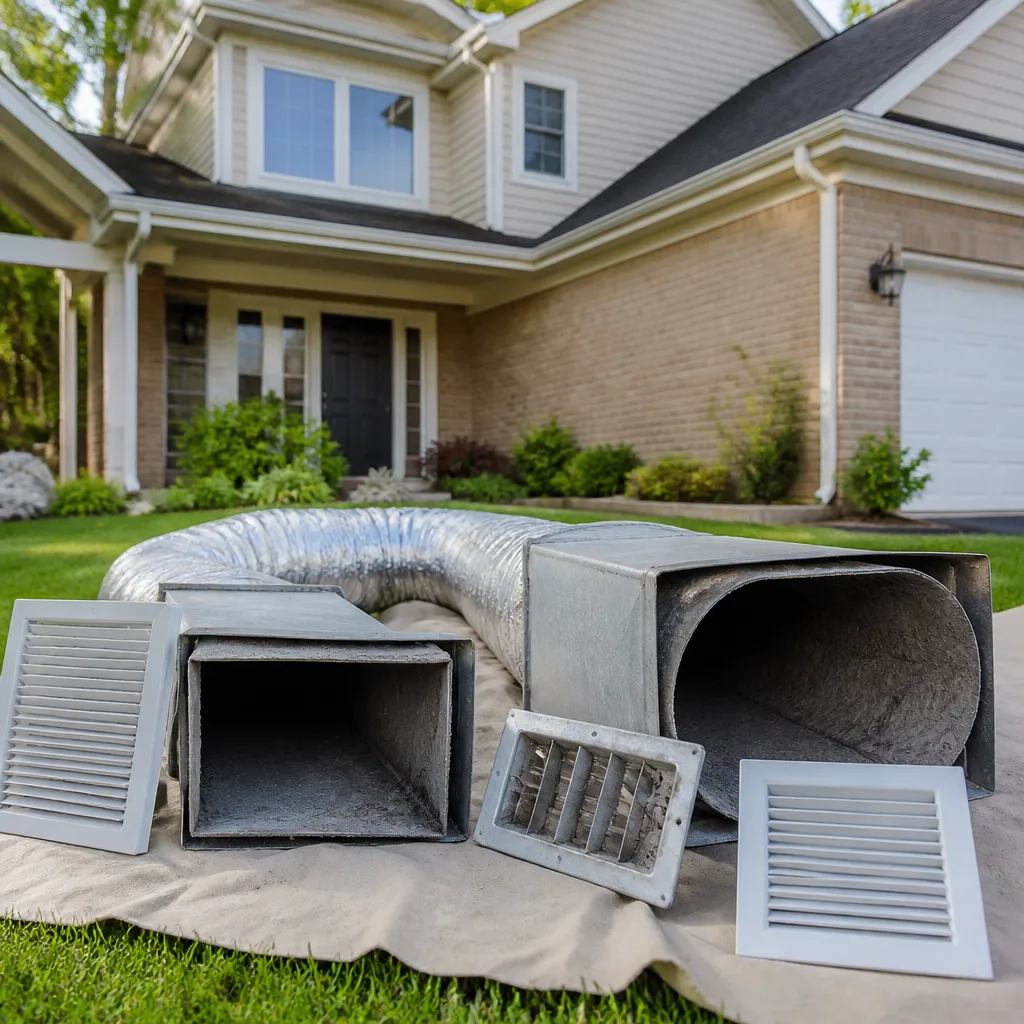 Whole-home duct cleaning
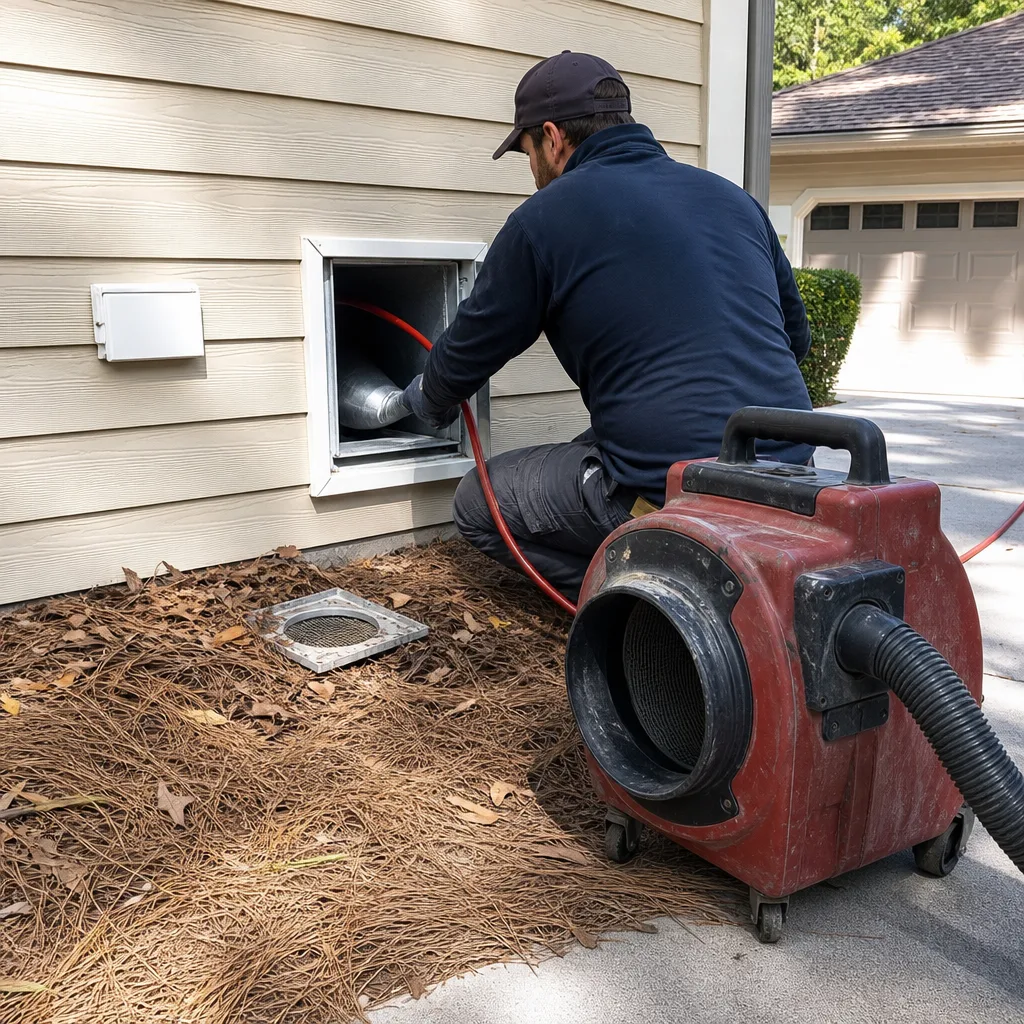
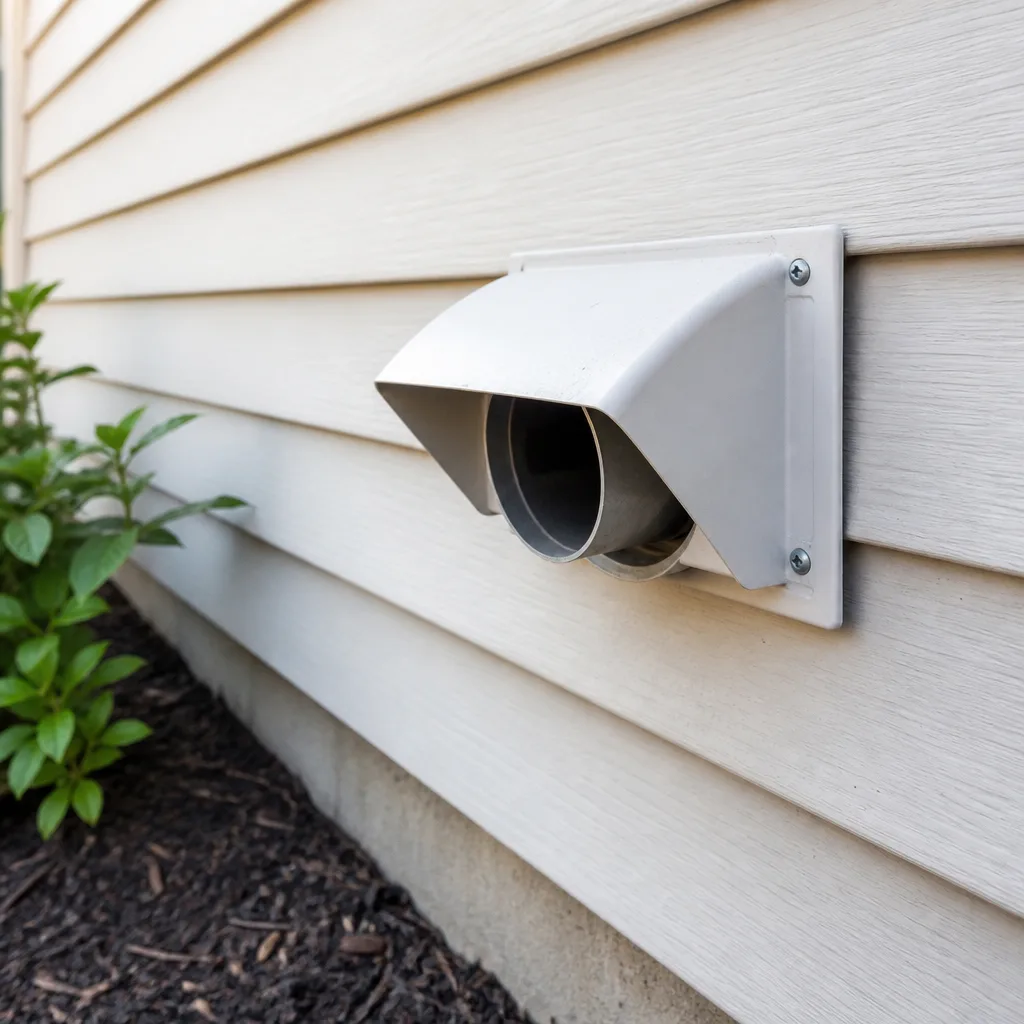 Dryer vent cleaning
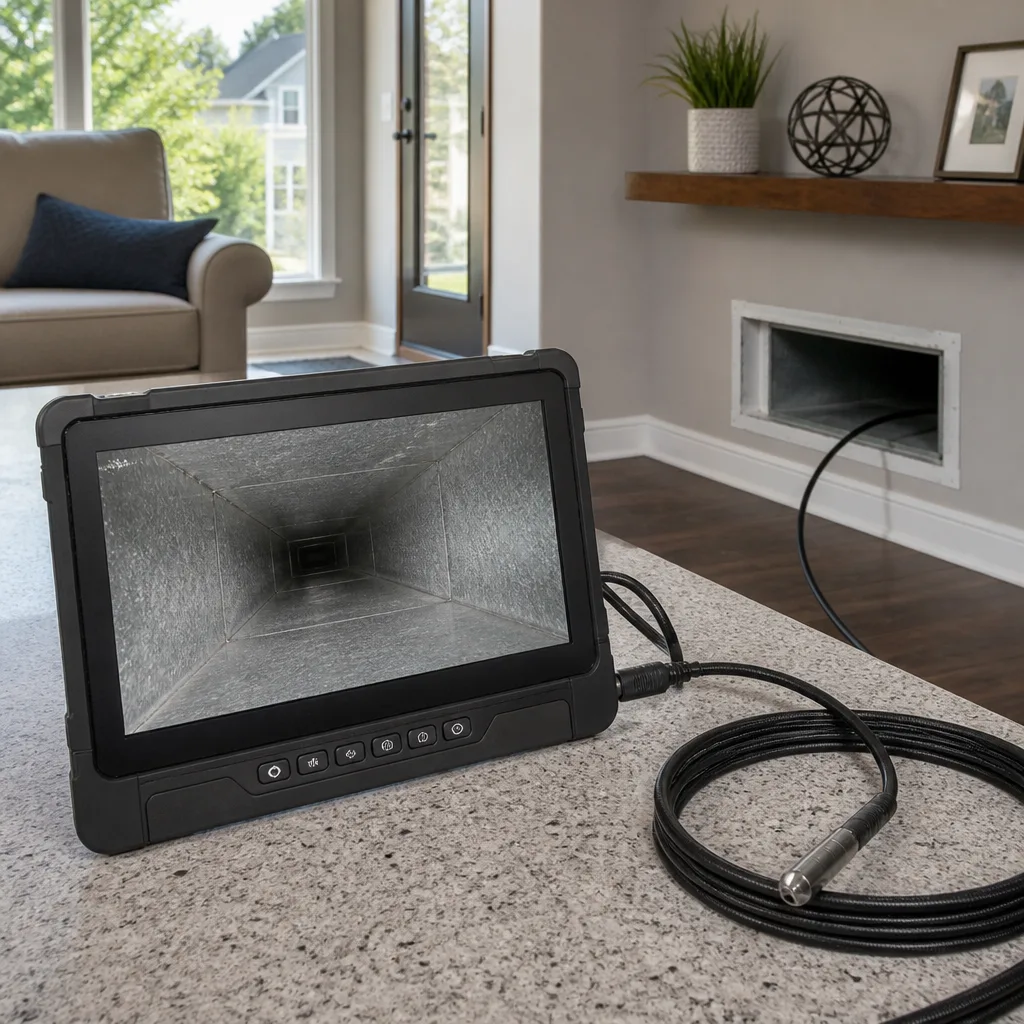 Camera inspection
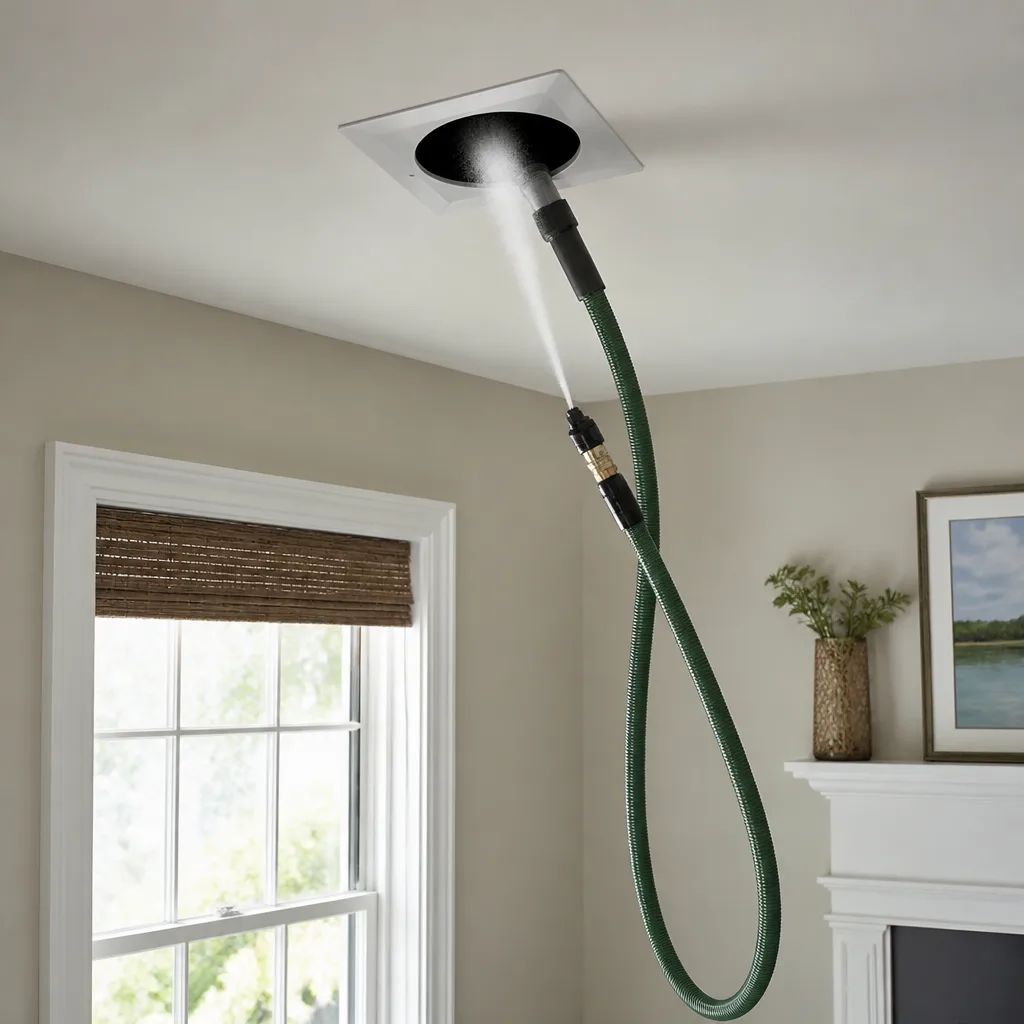 Sanitizing & deodorizing
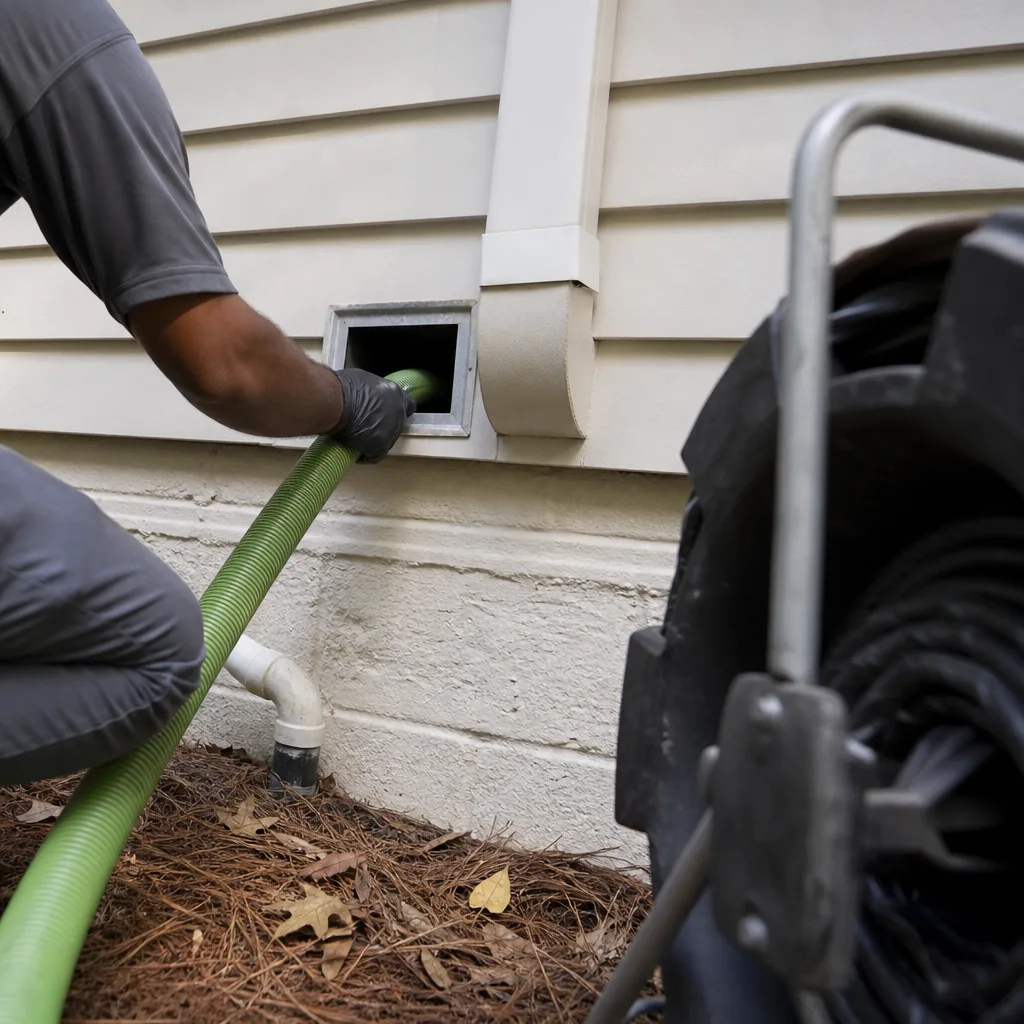
Whole-system duct and dryer vent check with before-and-after photos - you see exactly what came out of your vents
That "$99 whole-house special" is a bait ad - the real number appears once they are in your hallway, or the "clean" is a shop-vac at the register. We photograph the inside of your ducts before and after instead.
The Complete Guide to Air Duct Cleaning in Sandy Springs
Here’s a number most Sandy Springs homeowners find hard to believe: the average house in our area goes seven to ten years between professional duct cleanings, even while sitting in one of Georgia’s highest pollen corridors. That gap isn’t because people don’t care about their air. It’s because too many have been burned by a $49 coupon that turned into a $900 invoice, or a crew that left more dust on the floor than they removed from the ducts. This guide walks through the entire Air Duct Cleaning process exactly as a careful technician would explain it standing in your entryway: what happens first, what happens next, what it costs, and how to know the job was actually done right.
Styles & brands we work with
Quick Answer
Air duct cleaning in Sandy Springs is the process of removing accumulated dust, pollen, pet dander, and construction debris from your home’s supply and return ductwork using professional negative-pressure equipment. A legitimate whole-home cleaning in Sandy Springs typically costs between $450 and $900 depending on home size, number of systems, and how long it’s been since the last cleaning. The job should take three to six hours, should begin with a written price agreed to before any work starts, and should end with visible proof the ducts are clean and your floors are protected throughout.
Table of Contents
- What Actually Happens During a Professional Duct Cleaning
- Why Sandy Springs Homes Need a Different Approach
- What Written Upfront Pricing Should Include
- Contact Vacuuming vs. True Negative-Pressure Cleaning
- How Often Should Sandy Springs Ducts Be Cleaned?
- What Happens After the Job: The Post-Service Relationship
- Common Mistakes Sandy Springs Homeowners Make
- When to Call a Professional
- Frequently Asked Questions
- The Bottom Line
What Actually Happens During a Professional Duct Cleaning
Most people have never watched a full duct cleaning, and that’s a problem, because not knowing what a real job looks like is exactly what lets a bad one slide through. Here is the honest sequence a thorough cleaning follows in a typical Sandy Springs ranch or two-story home.
- Pre-inspection walkthrough. The technician should walk the house with you before bringing in any equipment. They’re looking for the number of systems, the location of every supply and return register, the type of duct material, and any visible mold, moisture staining, or rodent activity. In Sandy Springs, where many homes sit over crawlspaces, they should also check whether the return side pulls air from a crawlspace area that may need attention.
- Written estimate. After the walkthrough, you should get a written price for the full job. Not a verbal ballpark. Not a “per vent” estimate that can double halfway through. A single number in writing, before anything gets unloaded from the truck. At Mortons Air Duct Sandy Springs, this step is non-negotiable: the price on the estimate is the price on the invoice.
- Floor and furniture protection. Before any equipment enters your home, the crew should lay down shoe covers and drop cloths along the path from the entry door to the furnace or air handler and to each register they’ll be working near. If a company walks onto your carpet in work boots without pause, that tells you everything about how the rest of the day will go. Our crews work to the Cedarwell Care Promise, which means shoe covers and drop cloths are on every visit without being asked.
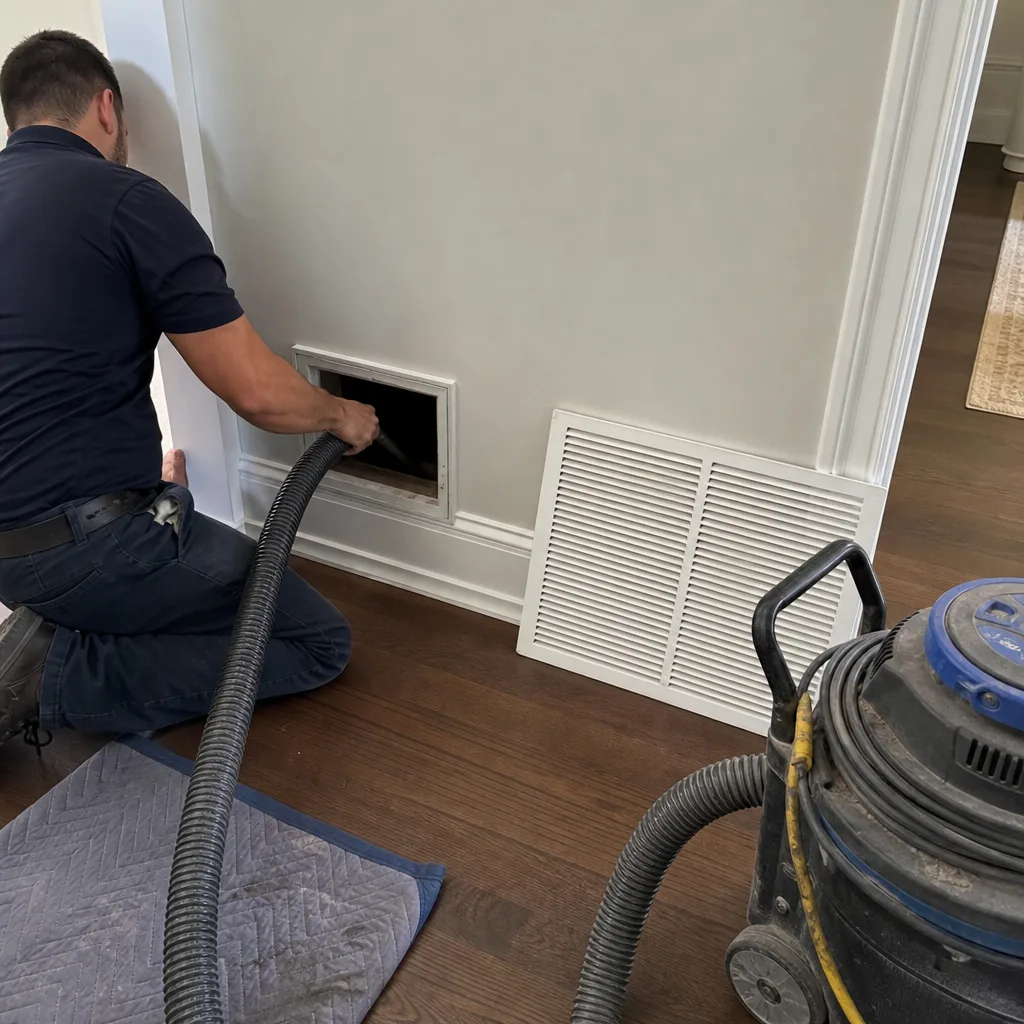
- Access point setup. A proper cleaning creates an access hole in the main supply and return trunk lines, usually near the air handler. This is where the large-diameter vacuum hose connects. The access point gets sealed and patched after the job, and it should look clean and professional, not like a jagged puncture.
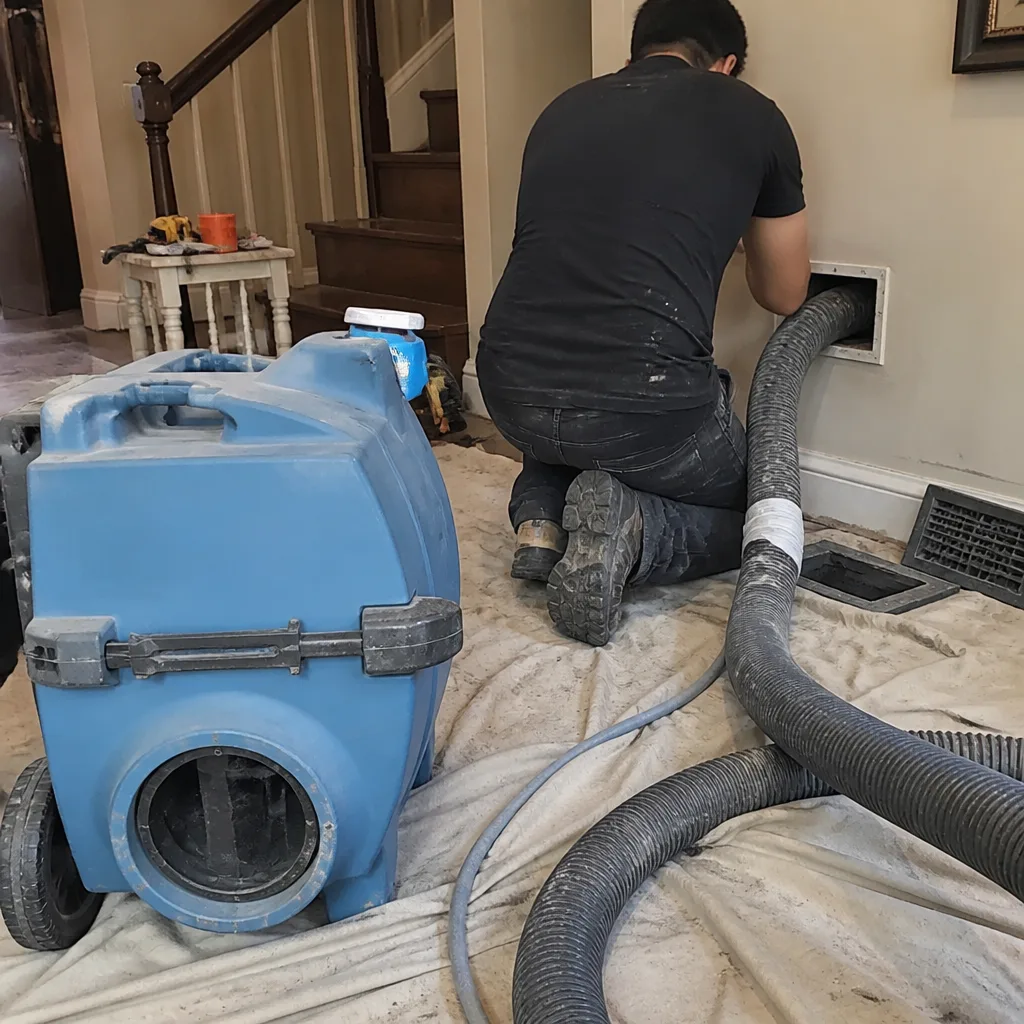
- Negative-pressure vacuuming and agitation. The vacuum system creates negative pressure inside the ductwork, pulling air and loose debris toward the truck-mounted or portable collection unit. At the same time, the technician feeds an agitation device through the ducts to knock debris off the walls. This is where equipment makes a real difference. We use rotary brush systems from Rotobrush and Nikro, guided through each trunk line and branch, while the vacuum keeps everything contained under negative pressure.
- Register-by-register cleaning. Every supply and return register gets removed, wiped down, and reattached. The technician should clean the register boxes, not just the visible face of the vent. In many Sandy Springs homes, register boxes are a collection point for dog hair, dust bunnies, and the fine red clay dust that works its way in through old window seals.
- Air handler and blower inspection. The air handler, blower motor, and evaporator coil should be visually inspected. If the blower is caked in dust or the coil is restricted, the tech should show you and explain what that means for airflow and efficiency. A careful company does not upsell you here; it reports what it sees and lets photos speak.
- Final filter check and system reassembly. Filters get checked and, if loaded, replaced or noted for you to replace. The access panel goes back on, the system gets a quick operational check, and the work area gets vacuumed around each register.
- Photo documentation of the clean-up. You should receive photo proof before the crew leaves: your floors protected, the access point sealed, and the job site clean. At Mortons Air Duct Sandy Springs, every completed job includes a photo of the clean-up before the team walks out your door.
That is the job. If a quote skips several of those steps, or the estimate is suspiciously low, you’re likely looking at a contact vacuuming job rather than a true cleaning. More on that below.
Why Sandy Springs Homes Need a Different Approach
Sandy Springs has a specific combination of climate, geography, and housing stock that changes how ducts get dirty and how they need to be cleaned. It’s not the same job as a house in Phoenix or Chicago.
First, the pollen load. Sandy Springs sits among mature hardwood canopies and Georgia pines, and we get hit early and hard every spring. Pollen settles on window screens, porch furniture, and yes, it gets drawn into the return registers and distributed through the duct system. Every spring we see return plenums coated in a fine yellow-green film that a basic vacuum alone won’t remove.
Second, the red clay dust. Georgia red clay is fine enough to work through weather stripping, crawlspace vents, and the gaps around foundation penetrations. Once inside, it settles in the lowest points of the duct runs. Homes near construction, even several streets away, collect noticeably more of it. If you’ve lived in Sandy Springs for more than one renovation season, you’ve seen it on your baseboards and vents.
Third, the housing stock. A large share of Sandy Springs homes were built from the 1960s through the 1980s, many of them ranch-style with crawlspace foundations and flexible duct runs under the house. Flex duct in a humid crawlspace is a different animal than rigid duct in a conditioned basement. It sags, it collects condensation, and in the worst cases it becomes a highway for dust that originates outside the living space. A proper air duct cleaning in Sandy Springs should include an assessment of where your return air is actually pulling from.
And fourth, the humidity. Our summer humidity keeps duct interiors from ever fully drying, which means dust and pollen bound to the duct walls stay stuck until they’re mechanically agitated off. A dry, desert-dust environment responds to simple vacuuming far more readily than humid Georgia ductwork does. This is a core reason we run rotary brush systems from Nikro and Rotobrush rather than relying on suction alone.
What Written Upfront Pricing Should Include
Here is the single most important sentence in this guide, written plainly: you should know the full price of your duct cleaning before a single piece of furniture gets moved. Not a range. Not a per-vent estimate that can inflate. The actual price.
In Sandy Springs, a whole-home air duct cleaning for a typical 2,000 to 3,000 square-foot house runs from about $450 to $900. Smaller single-system ranch homes can come in on the lower end. Larger two-story homes with multiple systems, long flex runs in the crawlspace, or ducts that haven’t been cleaned in over a decade trend toward the higher end.
A written estimate should include, at minimum:
- The total price for the entire system cleaning
- The number of systems and access points covered
- An explicit note on what is NOT included, if anything
- Whether filter replacement is included or billed separately
- Any charges for crawlspace access or difficult equipment placement
- The name of the company and a phone number that reaches a person
What you don’t want to see after work starts: a sudden “per-vent” fee, an additional charge because the ducts were “worse than expected” (that’s what the pre-inspection was for), or a surprise add-on for disinfecting or sanitizing that was never discussed. Those are the revenue engines behind the low coupon prices you’ll see in Sandy Springs mailers. The coupon price gets the truck in the driveway, and the add-ons turn it into a different invoice.
We solve that problem by writing the price down before anything begins. At Mortons Air Duct Sandy Springs, the estimate is the invoice, and it includes floor protection, the cleaning itself, and photo proof of the clean-up. No surprises, because surprises are what this industry has been built on for too long.
Contact Vacuuming vs. True Negative-Pressure Cleaning
Not every “duct cleaning” is the same service. The fastest way to evaluate any quote you receive in Sandy Springs is to ask one question: how does your equipment create and contain suction during the job?
A contact vacuuming job uses a small hose, often a shop-style vacuum, pushed into each register to remove whatever the nozzle can reach. It cleans the first few feet of the register run. It does not clean the trunk lines, the return drop, or the air handler. It’s fast, it’s cheap, and it gives a homeowner the impression that something happened. What it doesn’t do is remove the accumulated dust from the surfaces where air actually flows.
A true negative-pressure cleaning works differently. A high-volume vacuum is attached to the main trunk line near the air handler, creating continuous negative pressure inside the duct system. While that vacuum is pulling, an agitation tool, in our case a rotary brush system from Rotobrush or Nikro, is fed through the ducts to mechanically release debris from the walls. The vacuum captures the loosened material at the source. Nothing gets redistributed into the living space because the entire system is under negative pressure the whole time.
The difference matters for Sandy Springs homes specifically because of that red clay and pollen we described earlier. Loose dust can be vacuumed. Stuck-on Georgia clay film, pollen bound to humid walls, and compacted pet hair require agitation to release. A contact vacuuming company simply does not have the equipment to do that.
When you call around, ask what equipment the company runs and whether they use rotary agitation. If the answer is vague or evasive, move on. If they can name their equipment, that’s a good sign. We’re happy to tell you exactly what we run, because it’s part of how we built our reputation in Sandy Springs.
How Often Should Sandy Springs Ducts Be Cleaned?
The honest answer is that it depends on your specific household, but there’s a sensible baseline for our area. For most Sandy Springs homes, every four to six years is appropriate. For homes with shedding pets, kids’ rooms with a decade of accumulated dust, recent renovation work, or a family member with serious allergies, every two to three years is a better target. Homes that sit under heavy tree canopy or near active construction may fall on the more frequent end.
We said earlier that many local homes go seven to ten years. That’s not a recommendation. It’s a pattern, and it’s often driven by homeowners not knowing how to recognize when a cleaning would genuinely help. Here are signs that your Sandy Springs home is due:
- Visible dust puffing from registers when the system kicks on
- A layer of fine gray or red-brown dust settling on furniture within days of cleaning
- Return registers that look gray or clogged even after you’ve vacuumed the visible face
- Musty or stale smell from the vents when the system runs, especially after a humid summer
- Uneven airflow between rooms, suggesting a restricted trunk line or branch run
- A home renovation in the last year, especially drywall work or flooring replacement
If you don’t remember the last time your ducts were cleaned, that’s your answer. And if you’ve recently moved into an older Sandy Springs home, the previous owner’s cleaning history is probably written in the ducts themselves. We regularly see move-in cleanings where the return trunk reveals the entire history of a house: pet hair from two dogs ago, sanding dust from a 2015 remodel, and the kind of gray accumulation that only decades build.
What Happens After the Job: The Post-Service Relationship
This is where most duct cleaning companies end the story. The truck pulls away, the invoice is paid, and you’re expected to call again in five years if you still have the magnet on your fridge.
Our view is different. A duct cleaning is a service rendered on the day it happens, but the promise behind it matters more in the weeks and months that follow. Did airflow actually improve? Did the pet dander level drop in your daughter’s room? Is that occasional musty smell gone? These are questions that take time to answer, which is why the after-visit relationship matters.
That’s the reason the 365-Day Done Right Promise exists at Mortons Air Duct Sandy Springs. If the job isn’t done right, if something was missed, if the system still isn’t performing, we make it right. Full stop. Not a prorated refund, not a voucher, not a phone tree. The promise is stamped on every job we do as part of the Cedarwell family of independently owned companies, and it changes the original question from “did I get a good deal today?” to “will this company still answer the phone in six months if I need them?”
We also keep a record of the job: what was found, what was done, what the access points looked like before and after. When you call back for a dryer vent cleaning in Sandy Springs two winters later, we’re not starting from zero. That continuity is what “Done Right” actually means in practice.
Common Mistakes Sandy Springs Homeowners Make
- Choosing by coupon price. A $49 duct cleaning coupon is a lead-generation tool, not an actual price. The real invoice gets built on-site with per-vent fees, sanitizing upsells, and “unexpected” complications. If the number sounds too low to pay for a crew, a truck, and professional equipment, it is.
- Skipping the pre-inspection. Any company that starts uncoiling hoses before walking your system with you is skipping a step. The walkthrough is where the price gets determined, where problem areas get identified, and where you get a feel for whether this company sees you or sees a ticket number.
- Not asking about the equipment. “We have vacuums” is not a professional answer. You want to hear specific equipment brands and agitation tools. A truck with a Ryobi shop vac and a $49 coupon is a different service than a negative-pressure system pulling 8,000 CFM through a rotary brush. Ask.
- Forgetting the return side. Homeowners naturally focus on the supply registers in the ceiling or floor, but the return side is where air enters the system. In Sandy Springs homes with crawlspace returns, the return trunk is often the dirtiest part of the entire system. A thorough cleaning addresses both sides equally.
- Assuming the cheap quote is “good enough” because “ducts are just pipes.” Ducts are the lungs of your HVAC system. If they’re half-restricted with Georgia red clay and ten years of dander, your system runs longer, filters load faster, and the air in your kids’ rooms carries whatever the ducts hold. Good enough isn’t good enough when it’s your air.
- Paying before seeing proof. A reputable company should be able to show you before-and-after photos of the duct interior, the access point, and the clean-up. If they can’t or won’t, you have no way to verify the job was done at all. Photos are the simplest form of accountability in this industry.
- Ignoring the post-job warranty. A company that disappears after the invoice is paid is not standing behind its work. Ask what happens if the problem comes back in six months. The answer tells you more about the company than any review ever will.
When to Call a Professional
You should call a professional duct cleaning company in Sandy Springs when you see visible dust ejecting from registers, when your return vents look gray or clogged, when rooms in your house breathe differently than they used to, or when you’ve completed a renovation and know the dust went somewhere. If you have a family member whose allergies spike at home but calm down away from the house, the duct system is a reasonable place to investigate. If you’ve recently adopted a pet and noticed more hair accumulating on vents, that’s another signal. And if you simply cannot remember the last time anyone looked inside your ducts, that’s reason enough. Mortons Air Duct Sandy Springs offers free estimates in Sandy Springs. Call (229) 495-2691 and a real person will answer, day or night, ready to walk you through what we see, what we recommend, and exactly what it will cost.
Frequently Asked Questions
A whole-home air duct cleaning in Sandy Springs typically costs between $450 and $900, depending on the size of the house, the number of HVAC systems, and the condition of the ductwork. The price should be written down and agreed to before any work starts, and it should cover the entire system, not a per-vent rate that can grow during the job. Call (229) 495-2691 for a free, written estimate specific to your home.
Cheap quotes usually come from companies running contact vacuuming rather than true negative-pressure cleaning, or from companies that use a low advertised price to get in the door before adding per-vent fees and upsells on site. A legitimate cleaning requires professional equipment, trained technicians, and hours of labor, all of which have real costs. If a quote is far below the local market rate in Sandy Springs, the difference is coming from somewhere.
Ask for before-and-after photos of the duct interior and the access points before you pay. A reputable company in Sandy Springs should provide visual proof of the cleaning and the clean-up without being asked. At Mortons Air Duct Sandy Springs, we document the job with photos before the crew leaves, so there’s no question about what happened inside your walls.
Every four to six years is a solid baseline for most Sandy Springs homes, but households with shedding pets, allergy concerns, recent renovations, or heavy tree canopy nearby should consider every two to three years. Homes in our area collect more pollen and red clay dust than most regions, so the interval tends to run shorter here than in drier climates.
Air duct cleaning can help reduce the amount of pollen, pet dander, and dust circulating through your home by removing the accumulated material from the duct system itself. It won’t eliminate outdoor allergens entirely, but it can reduce the load inside your home, particularly for Sandy Springs families dealing with spring pollen and year-round pet dander.
Clear light access to the furnace or air handler and to each register, move fragile items away from vents where possible, and make sure the crew knows about any pets or a sleeping child. Beyond that, a professional company should protect your floors with shoe covers and drop cloths and handle the rest. We work quietly and respectfully to the Cedarwell Care Promise on every visit, including nap-hour jobs where the tools stay as quiet as the job allows.
In most cases, yes. The cleaning process disturbs the accumulated material in your ducts, and a fresh filter is the right finishing step to catch anything that gets loosened. Your technician should check the filter as part of the job and either replace it or tell you exactly what to buy. We check the filter on every Sandy Springs job as part of the final system walkthrough.
The Bottom Line
Air duct cleaning in Sandy Springs is a job that pays for itself differently than most home services. You won’t see it the same way you see a painted room or a new countertop. You’ll hear it in a quieter system that doesn’t run as long, smell it in air that no longer carries the faint must of an old crawlspace, and see it in less dust settling on the furniture between cleanings. The key is choosing a company that writes the price down before starting, uses true negative-pressure equipment like Rotobrush and Nikro systems, protects your floors and your family’s routines while working, and stands behind the job long after the truck pulls away. See our more guides & resources for help deciding. That’s the standard we hold ourselves to at Mortons Air Duct Sandy Springs, and it’s the standard every Sandy Springs family should accept as the baseline, not the exception.
Written by Paul Adeyemi, Owner at Mortons Air Duct Sandy Springs, serving Sandy Springs since 2005.
See the difference
 Before
 After
After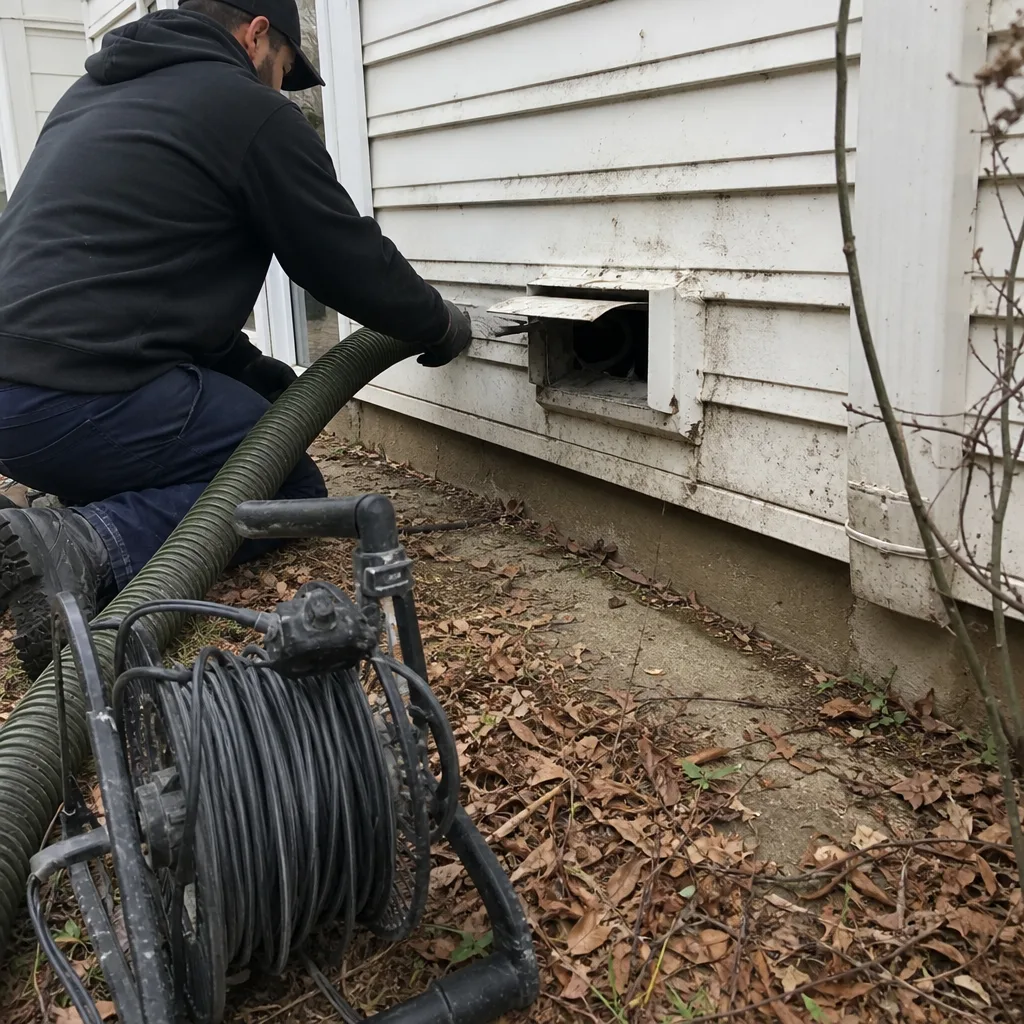 Before
 After
After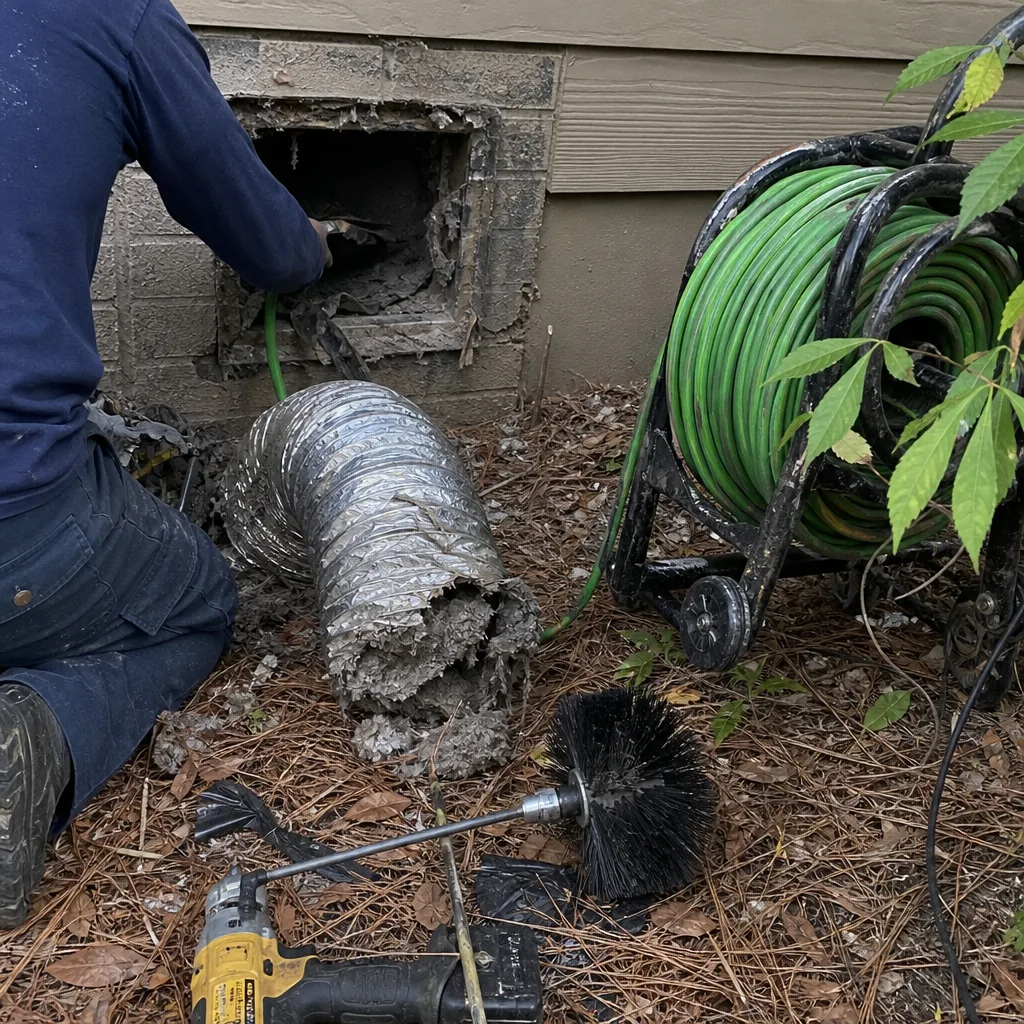 Before
 After
After