
Last updated October 15, 2026
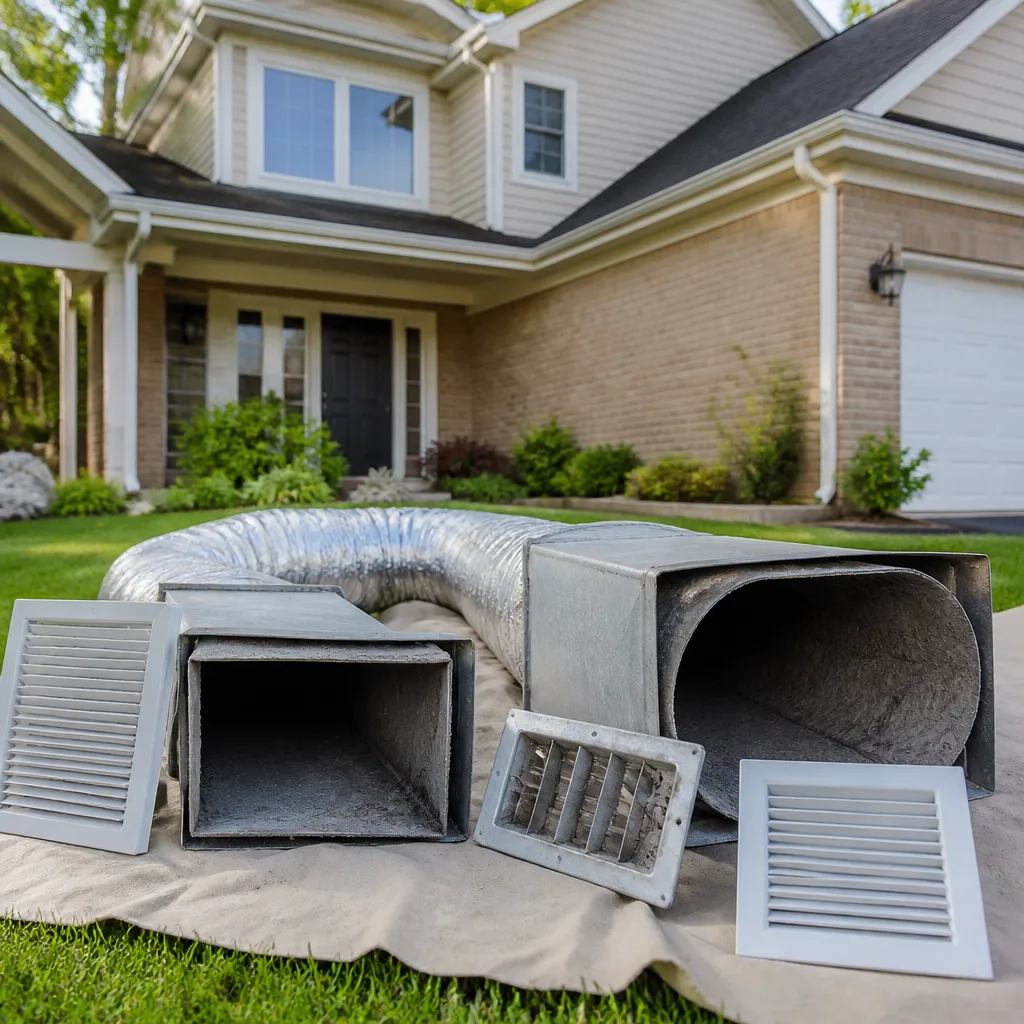 Whole-home duct cleaning
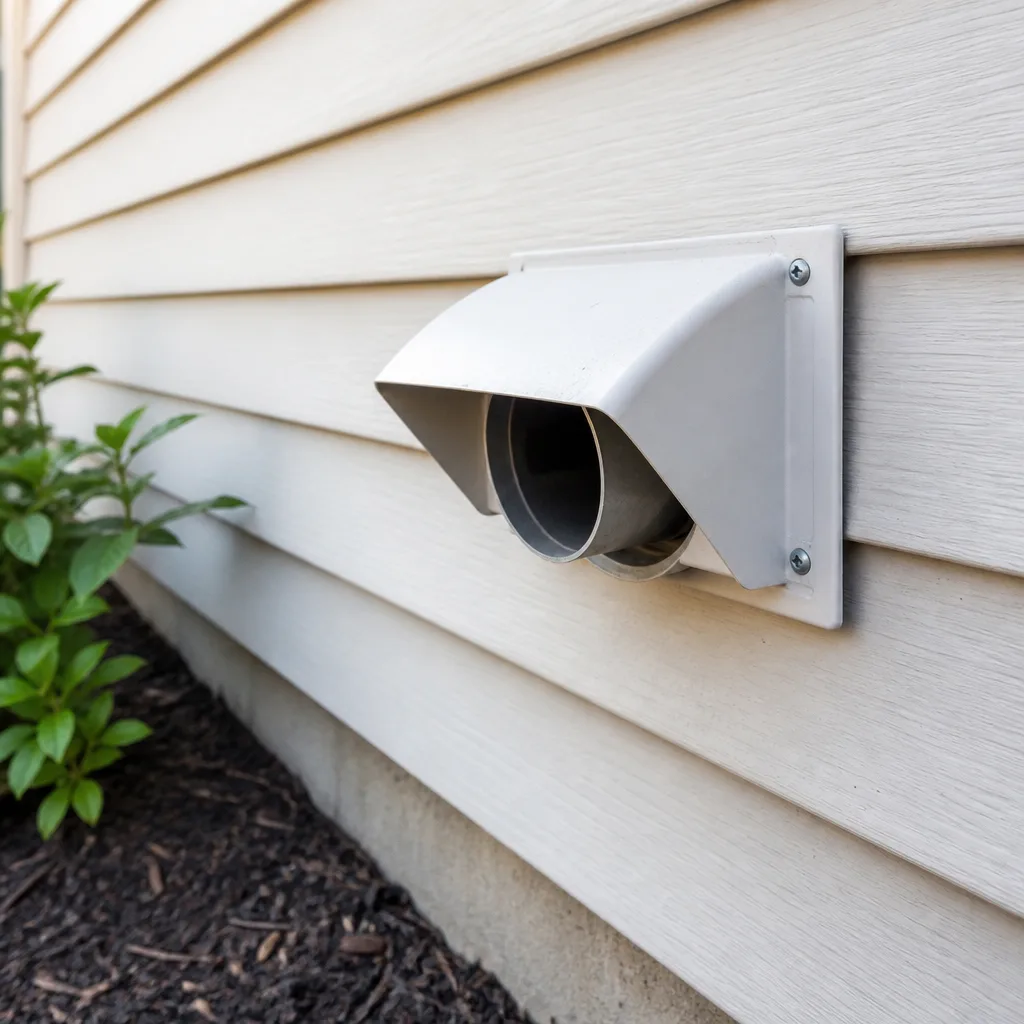 Dryer vent cleaning
 Camera inspection
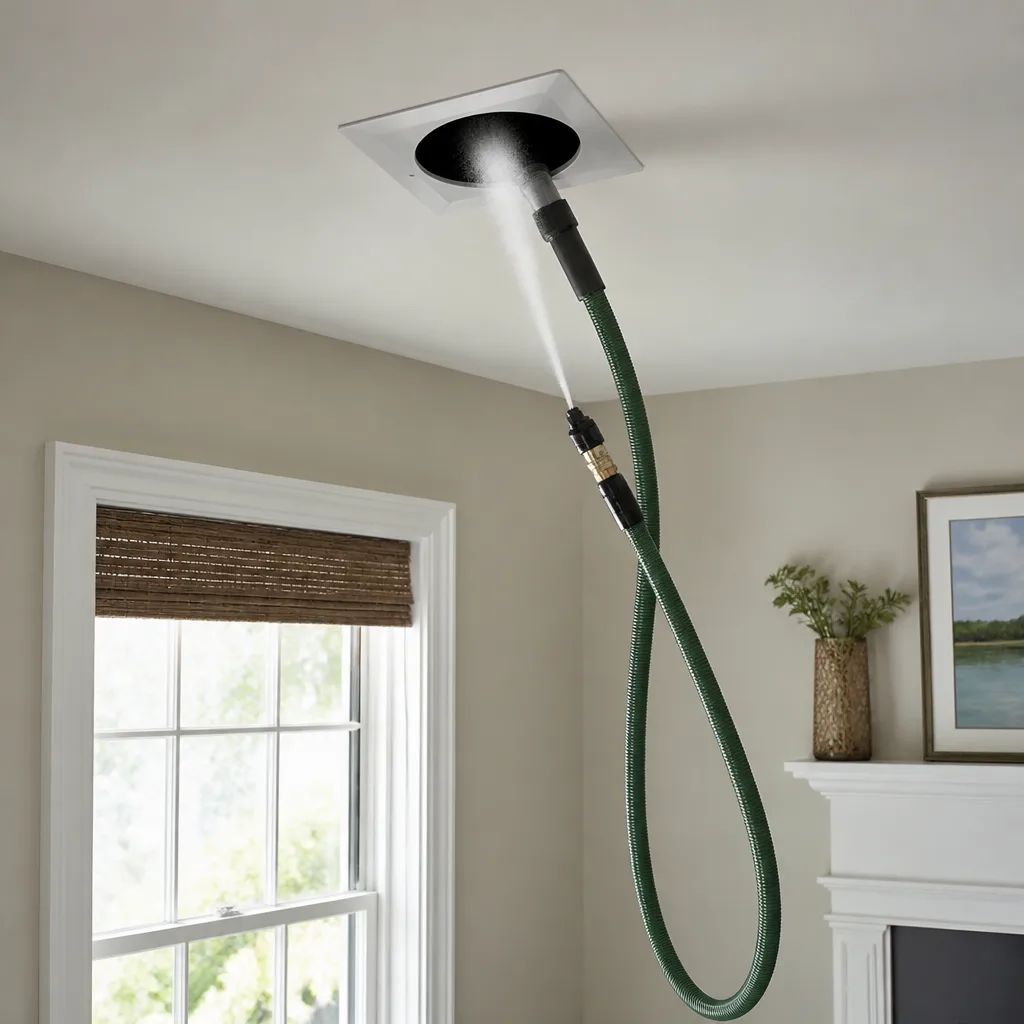 Sanitizing & deodorizing
Whole-system duct and dryer vent check with before-and-after photos - you see exactly what came out of your vents
That "$99 whole-house special" is a bait ad - the real number appears once they are in your hallway, or the "clean" is a shop-vac at the register. We photograph the inside of your ducts before and after instead.
Seasonal Air Duct Cleaning Care for Sandy Springs: Year-Round Homeowner’s Guide
Atlanta metro recorded pollen counts above 8,000 grains per cubic meter multiple times in the last decade. For a Sandy Springs homeowner, that number means one thing: your return duct filter can look like a yellow felt blanket within two weeks of a professional cleaning if you don’t act in March. Most seasonal duct advice is written for somewhere with four equal seasons and a furnace that hibernates half the year. Sandy Springs doesn’t work that way. This guide maps duct care to the actual weather outside your window, month by month, so you know exactly when to change filters, when to call us, and when to simply close the windows and wait. For more guides & resources, explore our blog.
Quick Answer
In Sandy Springs, the highest-risk window for duct contamination is February through May, when pine and oak pollen load your return ducts faster than any other time of year. Schedule Air Duct Cleaning services every 3 to 5 years, ideally in late September or October before heating season starts, and clean your dryer vent every 12 months regardless of what else you do. Between professional visits, change HVAC filters every 30 to 60 days during spring pollen season, keep indoor humidity below 60% through the summer, and inspect supply vents monthly for moisture or mold spotting.
Styles & brands we work with
Table of Contents
- Spring in Sandy Springs: The Pollen Emergency You Can Plan For
- Summer Humidity and Your Ductwork: Mold’s Favorite Season
- Fall: The Smart Homeowner’s Window for Professional Cleaning
- Winter: Furnace Startup, Burning Smells, and Dryer Vent Risk
- How to Sequence Professional Visits: Dryer Vent vs. Full Duct Cleaning
- What Homeowners Can Safely Do Themselves, Season by Season
- Common Mistakes to Avoid
- When to Call a Professional
- Frequently Asked Questions
Spring in Sandy Springs: The Pollen Emergency You Can Plan For
February through May in Sandy Springs is not a gentle thaw. It’s a biological event. Pine pollen coats cars, porches, and patio furniture in a green-yellow film that you can write your name in. What you can’t see is what’s happening inside your return ducts. Every time your HVAC system cycles, it pulls that pollen through the return grilles and into the ductwork, where it settles. A standard one-inch fiberglass filter catches some of it. The rest moves past and accumulates.
We’ve opened return ducts in Dunwoody and Sandy Springs in late April and found a half-inch of packed yellow dust sitting in the return trunk line, even in homes where the filter had been changed in February. That’s not a failure of housekeeping. It’s what happens when outdoor pollen counts exceed 8,000 and your system runs twelve hours a day.
Here’s what to do the week pollen peaks, usually the first or second week of April:
- Change your return filter on April 1, even if you changed it in March. Use a MERV 8 or MERV 11 filter. Higher MERV ratings can restrict airflow on older systems, so check what your unit is rated for before jumping to MERV 13.
- Run the fan on “ON” for one hour per day with windows closed. This keeps air moving through the filter rather than letting pollen settle in the ductwork during idle periods.
- Vacuum return grilles weekly during peak pollen. The grille itself traps a surprising amount of debris. If you have pets, that grille is also collecting fur, which compounds the blockage.
- Wipe down supply vents with a damp cloth. If you see yellow dust on the vent louvers, that’s pollen that made it through the system. Wipe it. Don’t push it back in.
- Check the outdoor compressor unit. Pollen clogs the fins just like it clogs your ducts. Rinse it gently with a garden hose from the outside, not a pressure washer.
We tell Sandy Springs families with kids and pets that spring is when indoor air quality jobs get done quickly, because the problem is visible. You can see the pollen on your car. You can smell it in the house. If you or a child has seasonal allergies, the return duct is a reservoir that keeps recirculating that allergen even after the trees stop blooming. A full air duct cleaning in Sandy Springs in spring removes that reservoir. But if you can only afford one professional visit this year, hold it for fall, and manage spring with filters and grille cleaning. We’ll explain why in the fall section.
Summer Humidity and Your Ductwork: Mold’s Favorite Season
From June through August, Sandy Springs sits under a blanket of humid air that doesn’t lift. Outdoor humidity often runs 70 to 90 percent. Inside your ductwork, the question is whether the air stays dry enough. Mold needs three things: organic material (dust, pollen, pet dander), moisture (humidity above 60%), and time. Your ductwork in summer has all three if the system isn’t running consistently or if condensation forms on the inside of supply ducts.
The temperature difference between cooled air inside the ducts and humid air in the attic or crawlspace can cause condensation on the outside of the ductwork. In Sandy Springs attics, where summer temperatures can exceed 140 degrees, that condensation doesn’t evaporate quickly. It drips, soaks insulation, and creates exactly the environment mold likes. We see this most often in homes built in the 1980s and 1990s around Abernathy Road and Mount Vernon Highway, where original flex duct or fiberglass duct board has aged past its moisture-resistant prime.
Watch for these signs at your supply vents in summer:
- Dark spotting on the vent louvers or the ceiling around the vent. This is surface mold, and it often means mold is present inside the duct run as well.
- A musty or earthy smell that’s strongest when the AC first kicks on. That’s the smell of accumulated moisture and microbial growth in the duct or the evaporator coil.
- Visible condensation on the outside of metal supply registers. If the register is sweating, the duct behind it may be sweating too.
- Water stains on the ceiling near any register. This indicates condensation inside the duct boot or the duct run above.
The single most effective thing you can do is keep indoor humidity below 60 percent. A whole-home dehumidifier, like the units from Aprilaire that integrate with your HVAC system, is the cleanest solution. A portable dehumidifier in a damp basement or crawlspace helps. But be careful: dehumidifiers and HVAC systems are not substitutes for clean ducts. If your ducts already hold significant dust and organic debris, the dehumidifier just makes the dust drier. The mold risk drops, but the air quality problem remains. By August, many Sandy Springs homeowners are tired of the musty smell and ready to address the actual ductwork. Summer is a perfectly fine time for a cleaning if mold is the concern, and our crews run equipment with noise reduction in mind so it doesn’t disrupt afternoon nap schedules.
Fall: The Smart Homeowner’s Window for Professional Cleaning
Late September through November is the best window in Sandy Springs for a professional full-system air duct cleaning. Here’s the logic: heating season starts in November, which means your system is about to pull air through those ducts for months. Whatever is sitting in the ductwork right now, pollen from spring, dust from summer, pet dander from all of it, is going to be blown into your living space all winter. You’re also about to close the windows for four months, which means indoor air quality becomes entirely dependent on your HVAC system and its ducts.
Fall is also when the weather cooperates. Temperatures moderate, humidity drops, and your system gets a brief rest between cooling season and heating season. Scheduling a cleaning in October means the system is accessible, the attic isn’t dangerously hot, and the work is done before the holiday season when your house is full of guests and your furnace is working hardest.
We recommend Sandy Springs homeowners think of October as their annual HVAC checkup month: schedule the fall furnace tune-up, change all filters, and if you’re due for a cleaning based on the 3 to 5 year cycle, do it now. Use our Air Duct Cleaning Maintenance Checklist for Sandy Springs Homeowners to stay on track. If you just moved into a home in Sandy Springs, especially in neighborhoods like Riverside or Hammond Hills where many homes date to the 60s and 70s, you don’t know when the ducts were last cleaned. That’s a strong candidate for an immediate cleaning before your first full winter.
One more thing about fall: if you have a fireplace, the fall chimney sweep and the fall duct cleaning don’t conflict, but do the chimney first. Chimney sweeping releases fine ash and soot into the air, and if your HVAC is running, some of that gets pulled into the return ducts. Clean the chimney, let the house air out for a day, then clean the ducts. That sequencing saves you from cleaning twice.
Winter: Furnace Startup, Burning Smells, and Dryer Vent Risk
The first cold snap in Sandy Springs, usually late November or early December, is when furnaces fire for the first time in eight months. Here’s what’s normal and what’s not.
A dusty or slightly acrid smell for the first hour of furnace operation is normal. Dust settles on the heat exchanger over the summer, and when the burners light, that dust burns off. The smell should fade within an hour. Open a window, run a fan, and let it dissipate. If the smell persists beyond an hour, or if it smells like plastic, oil, or rotten eggs, shut the system off and call a professional. A persistent burning smell can indicate wiring issues, a failing blower motor, or, in the case of rotten eggs, a gas leak. In Sandy Springs, where many homes still run natural gas furnaces from the 1990s and 2000s, these are real risks that need qualified eyes on them fast.
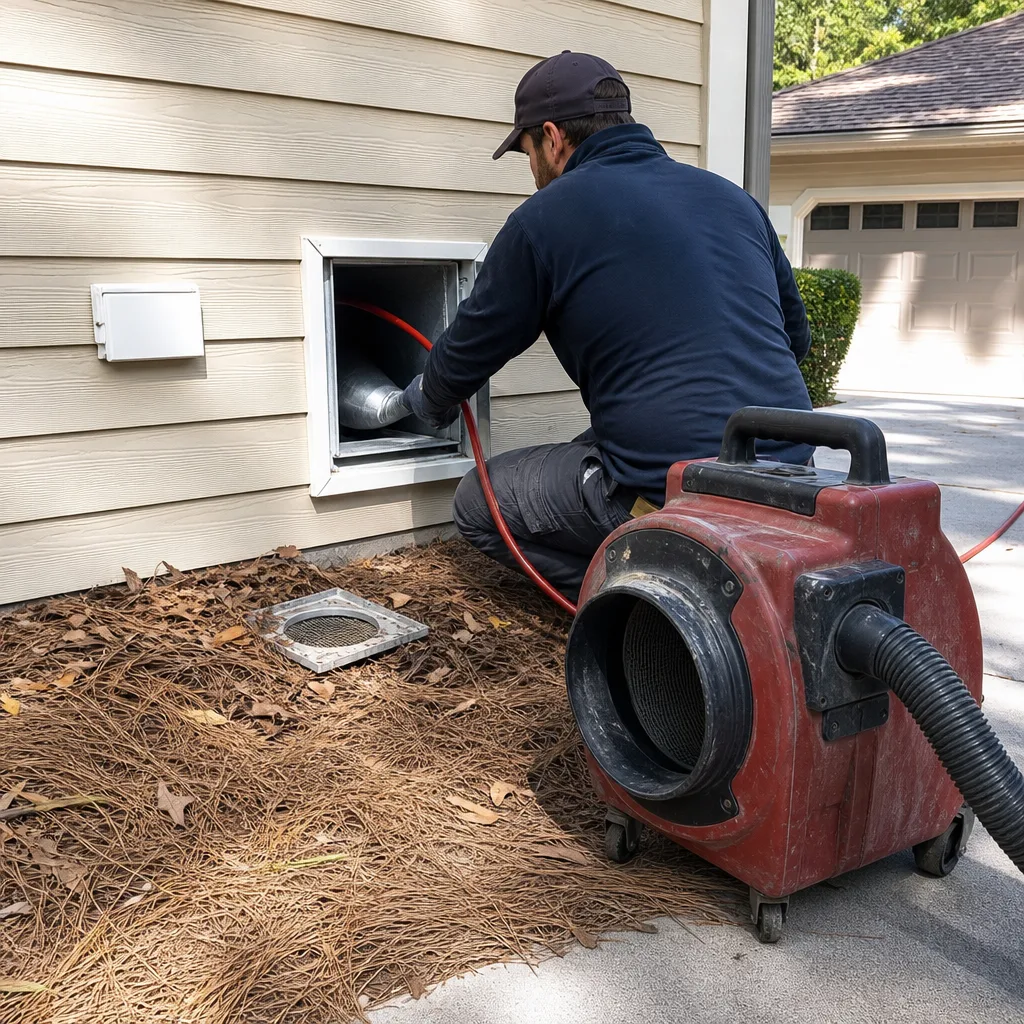
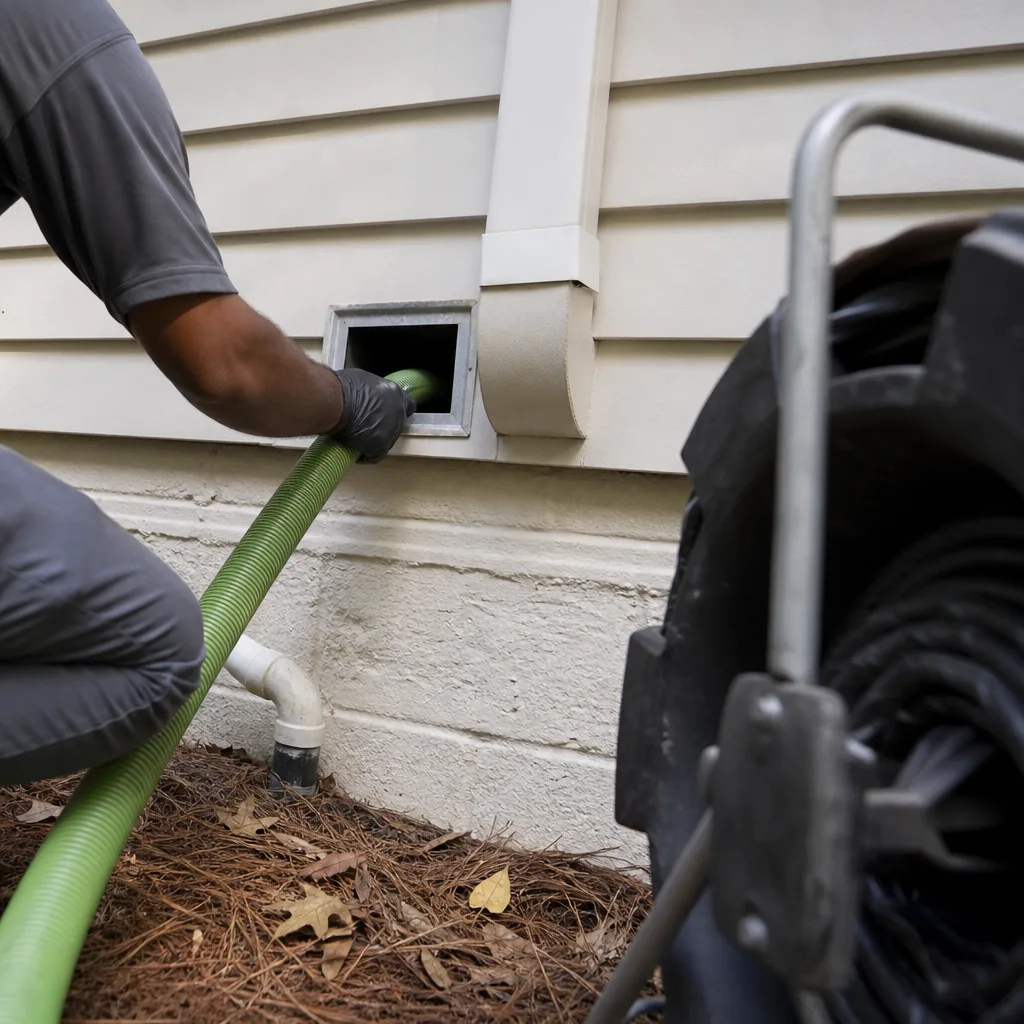
Winter is also the riskiest season for dryer vents. The air is dry, static electricity is high, and lint accumulates faster. Homeowners run their dryers longer because heavier winter clothes take longer to dry. If your dryer vent hasn’t been cleaned in over a year, winter is not the season to bet on luck. The U.S. Fire Administration points to failure to clean dryer vents as a leading cause of home clothes dryer fires. In Sandy Springs, our dryer vent technicians see the worst clogs between December and February. A professional dryer vent cleaning in Sandy Springs removes the lint that’s packed deep in the vent run, including in the vertical riser common in two-story homes. We also check the vent termination outside, which is often blocked by leaves, bird nests, or, in some Sandy Springs neighborhoods, pine straw that the landscapers blow right up against the house.
One commonly missed winter task: check your bathroom exhaust fans. In winter, bathrooms are steamed up longer, and that moisture gets pulled into the HVAC return if the bathroom door is open. Run the exhaust fan for 20 minutes after a shower, and make sure the fan actually vents to the outside, not into the attic. Many older Sandy Springs homes have bathroom fans that vent directly into the attic, which is a moisture problem waiting to become a mold problem in the ductwork below.
How to Sequence Professional Visits: Dryer Vent vs. Full Duct Cleaning
These are two different services on two different schedules, and understanding the difference saves you money and frustration.
Dryer vent cleaning: every 12 months, regardless of anything else. This is not negotiable. It’s a safety issue. The dryer vent is a separate system from your HVAC ducts. It handles high heat, high lint, and high moisture. A clogged dryer vent makes your dryer work harder, which shortens its life and increases your energy bill, but the real risk is fire. Once a year. That’s the schedule.
Full air duct cleaning: every 3 to 5 years, depending on your household. A home with two adults and no pets can go 5 years. A home with two kids, a dog, and a cat should aim for 3 years, especially in Sandy Springs where the pollen load is brutal. Signs you’re due earlier than 3 years: visible dust blowing from supply vents when the system starts, dust accumulating on furniture within days of dusting, a lingering musty smell, or a recent renovation that generated drywall dust or sawdust. Renovations are a huge one in Sandy Springs, where teardown and rebuild projects send fine dust through entire neighborhoods. If you’ve renovated, clean the ducts after the work is done, not before.
Here’s the ideal annual sequence for a Sandy Springs homeowner:
- March: Change filters, vacuum return grilles, prepare for pollen season.
- April: Change filters again, wipe supply vents, rinse the outdoor unit.
- June: Check indoor humidity levels. If above 60% consistently, address the source, whether that’s a crawlspace, a bathroom fan, or an undersized AC.
- October: Schedule the annual dryer vent cleaning. If due for full duct cleaning, schedule both in the same visit and ask your provider if they offer a discount for combining. Most do.
- December: Change filters before the holiday season, check the furnace startup smell, and verify the dryer vent termination is clear of leaves and pine straw.
We’ve found that Sandy Springs homeowners who follow this sequence spend less on emergency repairs and less on energy costs. The systems simply run better when they’re not fighting a dust load or a clogged vent.
What Homeowners Can Safely Do Themselves, Season by Season
We believe in honest guidance about what’s a homeowner task and what’s a professional job. Here’s the full list of what you can safely handle yourself.
Season by season homeowner checklist:
- Spring: Change return filters every 30 days from March through May. Vacuum return grilles weekly during peak pollen. Wipe supply vent louvers with a damp cloth. Rinse the outside AC unit gently with a garden hose after the yellow dust subsides.
- Summer: Monitor indoor humidity with a simple hygrometer. Run the AC consistently rather than turning it way up when you leave, which allows humidity to build. Keep vents open in all rooms even if the room is unused; closing vents reduces airflow and can cause condensation in the ductwork. Check for dark spotting on vent louvers monthly.
- Fall: Change the filter before heating season. Remove and wash return grilles with warm soapy water. Walk the exterior and check the dryer vent termination for leaves, nests, or pine straw. Replace the batteries in your thermostat and smoke detectors while you’re at it.
- Winter: Change the filter every 60 days. Run bathroom exhaust fans for 20 minutes after showers. Check the dryer vent termination monthly during cold snaps. Listen for rattling or whistling from ducts when the furnace runs, which can indicate a loose connection or a developing leak.
What you should not attempt yourself: cutting into ductwork, cleaning the inside of ducts with a shop vac and a long hose, using chemical cleaners or foggers inside ductwork, removing a dryer vent pipe from the wall to clean it, or working on anything gas-related. Duct interiors require professional equipment, like the Rotobrush and Nikro systems our technicians use, to do the job properly without damaging the ducts. And gas furnaces are not a DIY project, not ever. If you smell gas, leave the house and call your gas provider immediately, then call for service once the situation is safe.
Common Mistakes to Avoid
- Changing the filter only once a year. In Sandy Springs, spring pollen alone clogs a filter in a month. A clogged filter restricts airflow, which forces the system to work harder, which pulls more unfiltered air around the filter edges, which puts more debris in your ducts. It’s a cycle that compounds.
- Using the highest MERV filter available. MERV 13 filters sound great, but many older Sandy Springs systems can’t handle the airflow restriction. The result is higher energy use, shorter blower motor life, and in some cases, a frozen coil. Check your system’s rating before upgrading.
- Closing vents in unused rooms. This seems smart but it increases static pressure in the duct system, which can cause the remaining ducts to leak and the closed-off rooms to develop condensation issues. Leave vents open.
- Ignoring the dryer vent because the dryer still works. A dryer can function with a severely clogged vent, which is exactly the danger. The dryer works harder, runs longer, gets hotter internally, and the lint buildup becomes a fire hazard. Function is not a reliable indicator of safety.
- Scheduling a duct cleaning in the middle of a pollen peak and expecting it to last. If you clean the ducts in early April in Sandy Springs and then leave windows open and the fan running, you’ll have pollen back in the system within weeks. Clean at the right time and manage filters during peak weeks.
- Assuming new construction means clean ducts. New homes in Sandy Springs are often the dirtiest, because construction dust, drywall compound dust, and sawdust get into the system before the homeowners ever move in. If you’re in a new build, have the ducts cleaned after closing and before you move furniture in.
When to Call a Professional
Call a professional when you see visible mold on or around vent louvers, when you smell a musty odor that returns after cleaning the vent covers, when dust blows visibly from supply vents on startup, or when your dryer takes more than one full cycle to dry a standard load. Also call if you’ve completed a renovation that generated dust, if you’ve moved into a home with no record of prior duct cleaning, or if you’re seeing higher energy bills with no change in usage, which can indicate duct leaks or restricted airflow.
Mortons Air Duct Sandy Springs home offers free estimates in Sandy Springs. We’ll walk through your home, show you what’s in the ducts with our inspection camera, and give you a written price before any work starts. You can see exactly what’s in there and decide whether it warrants cleaning. Call (229) 495-2691 to schedule.
Frequently Asked Questions
In Sandy Springs, a full-system air duct cleaning for a typical single-family home generally runs $350 to $650 depending on the size of the home, number of systems, and accessibility of the ductwork. See our Air Duct Cleaning Cost Breakdown: The Sandy Springs Homeowner’s Reference for 2026 for detailed pricing factors. Homes with two HVAC systems or unusually long duct runs can exceed that range. Beware of quotes under $99 or offers built around a per-vent price; those are bait-pricing models that balloon once the crew arrives. A reputable company gives you one flat price for the whole system, in writing, before starting. Call (229) 495-2691 for an exact quote for your home, no obligation.
Cheap duct cleaning quotes are almost always built on one of two tactics: a low entry price that only covers a limited number of vents, with each additional vent adding cost, or a quick “blow and go” service that uses a shop vac and does not actually clean the full duct run. In Sandy Springs, we’ve seen pricing from out-of-town operations that advertise $79 specials and then present an invoice for $700 after counting vents and “recommending” add-ons. Ask for a flat price for the entire system, in writing, before anyone starts. If they won’t provide that, hang up.
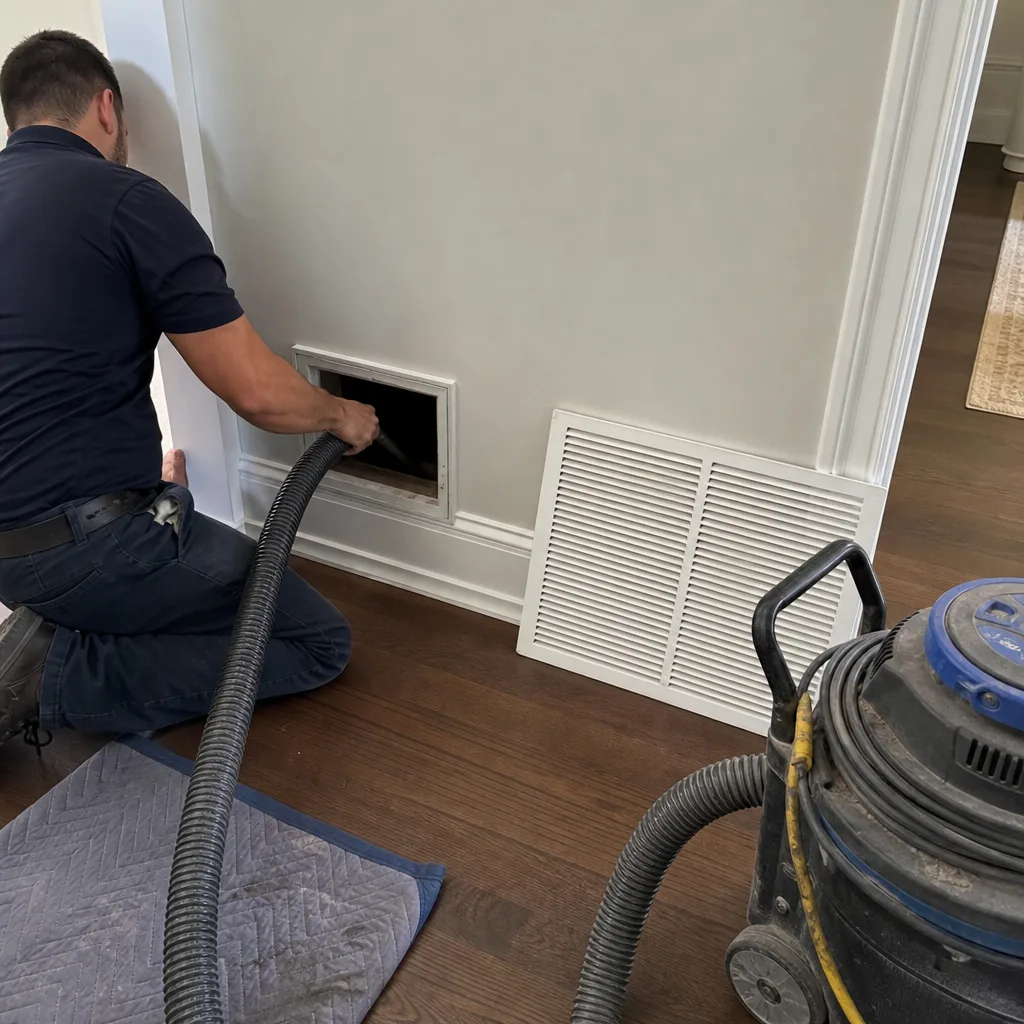
Ask for before-and-after photos of the inside of your ducts. A professional cleaning company using proper equipment, like the Rotobrush or Nikro systems our technicians use, can show you the interior of the return trunk, supply runs, and plenums before and after the job. At Morton’s, we also take a photo of the clean-up before the crew leaves, so you can see your floors and furniture were protected and restored. If a company refuses to show you the inside of your own ducts, that’s a red flag.
Every 3 to 5 years for a full air duct cleaning is right for most Sandy Springs homes, with households that have multiple pets or allergy-sensitive family members leaning closer to 3 years. Dryer vent cleaning is different: every 12 months, regardless of what else you do. The pollen load in Sandy Springs means return ducts accumulate debris faster than in drier climates, so 3 years is a reasonable default if you’re not sure.
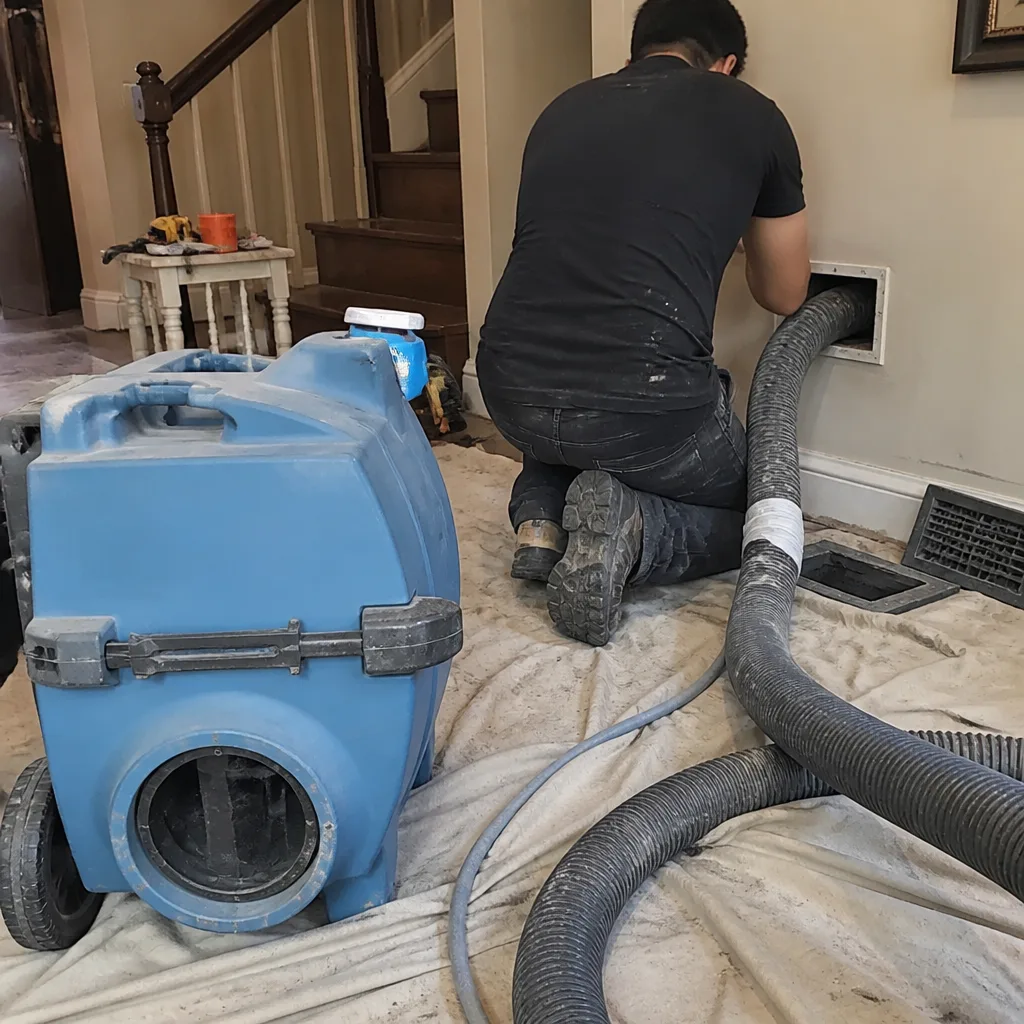
No. A shop vac cannot reach the length of a typical duct run, and the suction power is nowhere near what’s required to dislodge caked-on dust and pollen from the duct walls. You risk damaging the ductwork, especially flex duct, and you’ll leave more debris in the system than you started with. Professional cleaning uses high-powered negative air machines and rotary brush systems from brands like Rotobrush and Nikro to agitate and extract the debris. This is a case where the right equipment genuinely matters.
For many Sandy Springs homeowners, yes, noticeably. Spring pollen gets pulled into the return ducts and then recirculates through the house every time the HVAC runs. Cleaning removes that reservoir. It doesn’t eliminate outdoor allergies, but it reduces the indoor allergen load, which can make a meaningful difference for families dealing with pollen, pet dander, and dust mite triggers. If you or your kids have seasonal allergies, spring or fall cleaning paired with proper filtration is the most effective indoor strategy we’ve seen.
The Bottom Line
Sandy Springs doesn’t follow the standard seasonal playbook. Pollen arrives early, humidity lingers long, and winter hits the system harder than you’d expect. The homeowner who adapts to this reality spends less on energy, breathes easier indoors, and avoids emergency repairs. Filter changes are your weekly-to-monthly defense. Dryer vent cleaning is your annual non-negotiable. Full duct cleaning belongs on a 3 to 5 year cycle, scheduled in fall when it does the most good. And when it’s time for a professional, a written price before the work starts is the standard you should demand, every time.
Written by Paul Adeyemi, Owner at Mortons Air Duct Sandy Springs, serving Sandy Springs since 2005.
See the difference
 Before
 After
After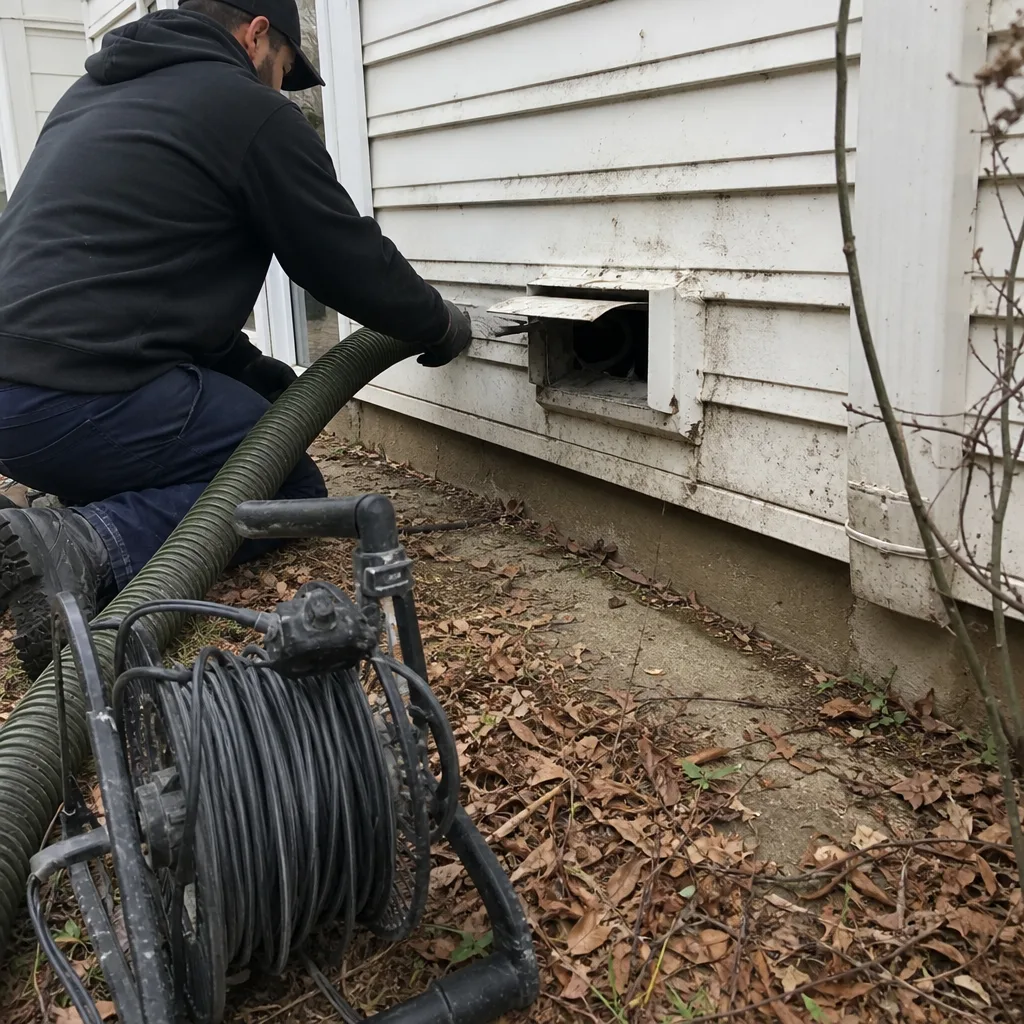 Before
 After
After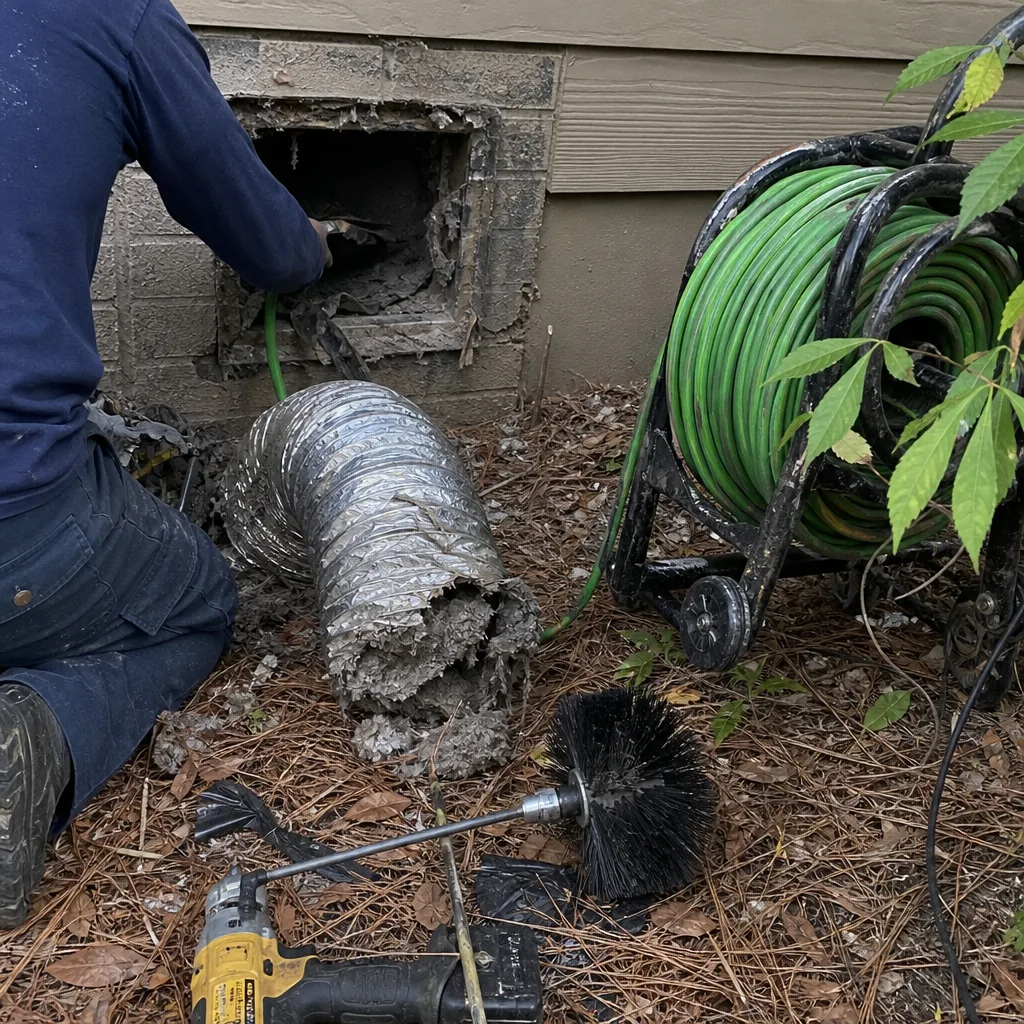 Before
 After
After