
Last updated October 15, 2026
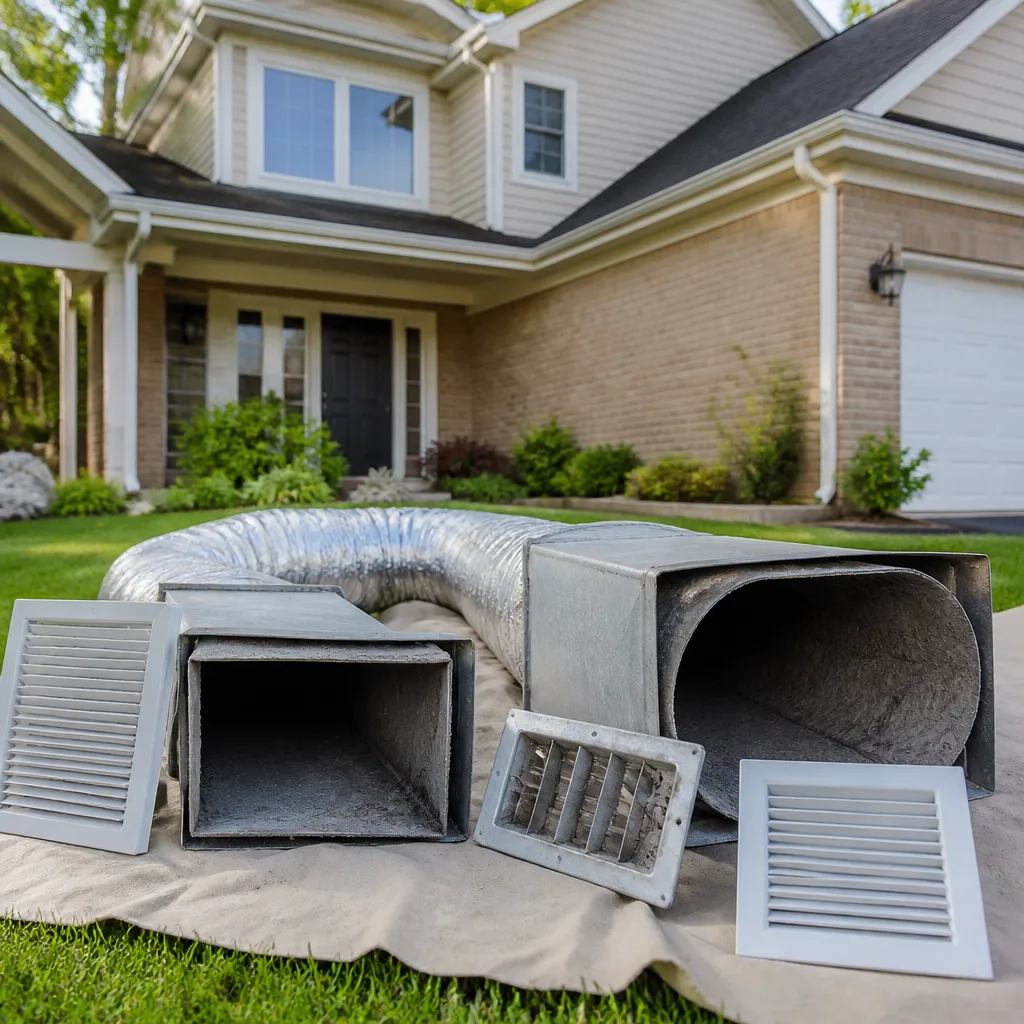 Whole-home duct cleaning
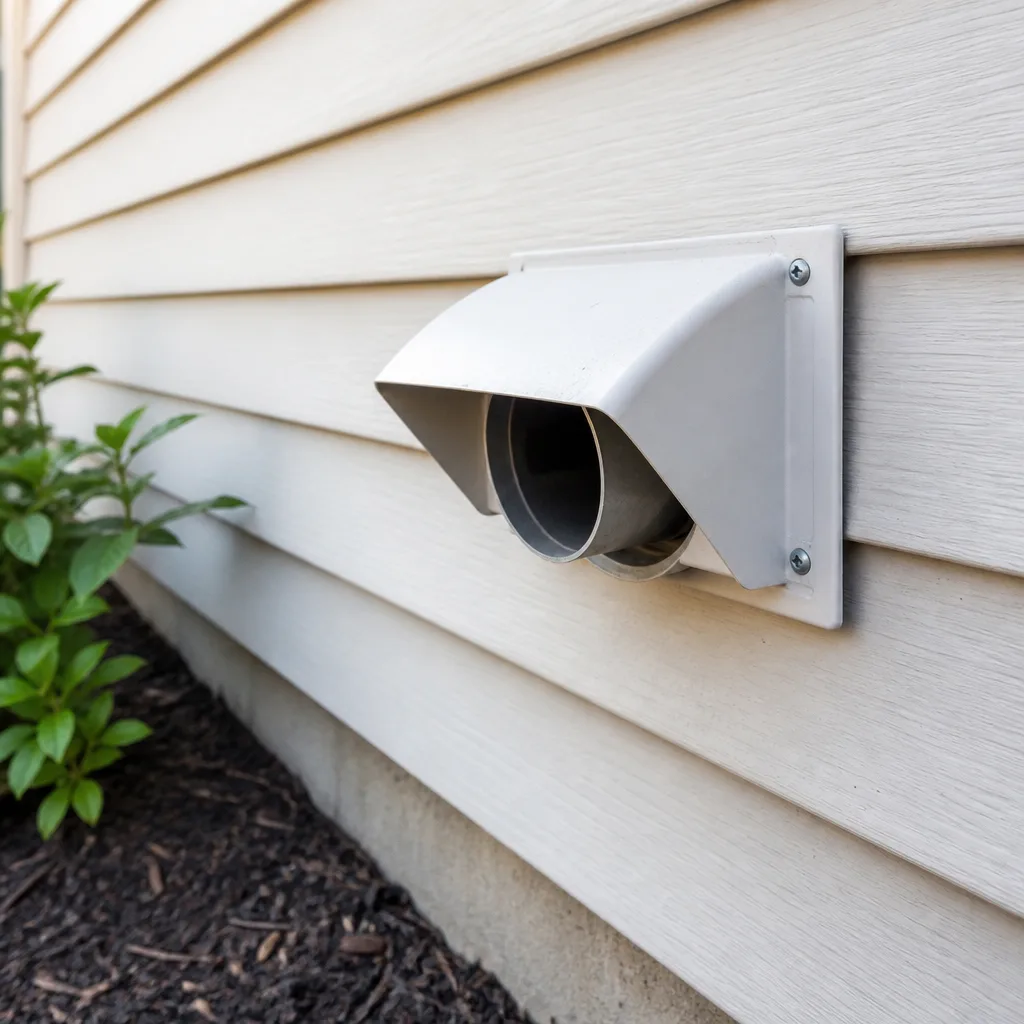 Dryer vent cleaning
 Camera inspection
 Sanitizing & deodorizing
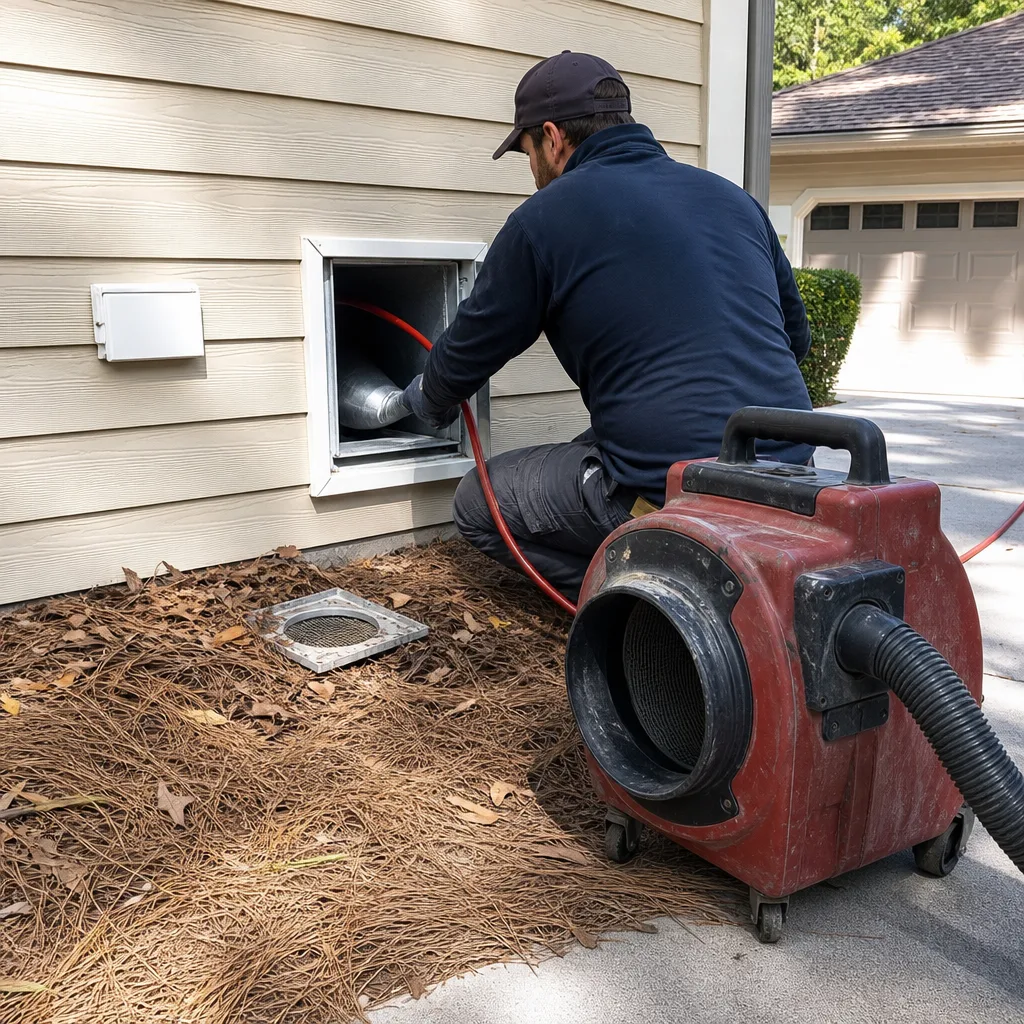
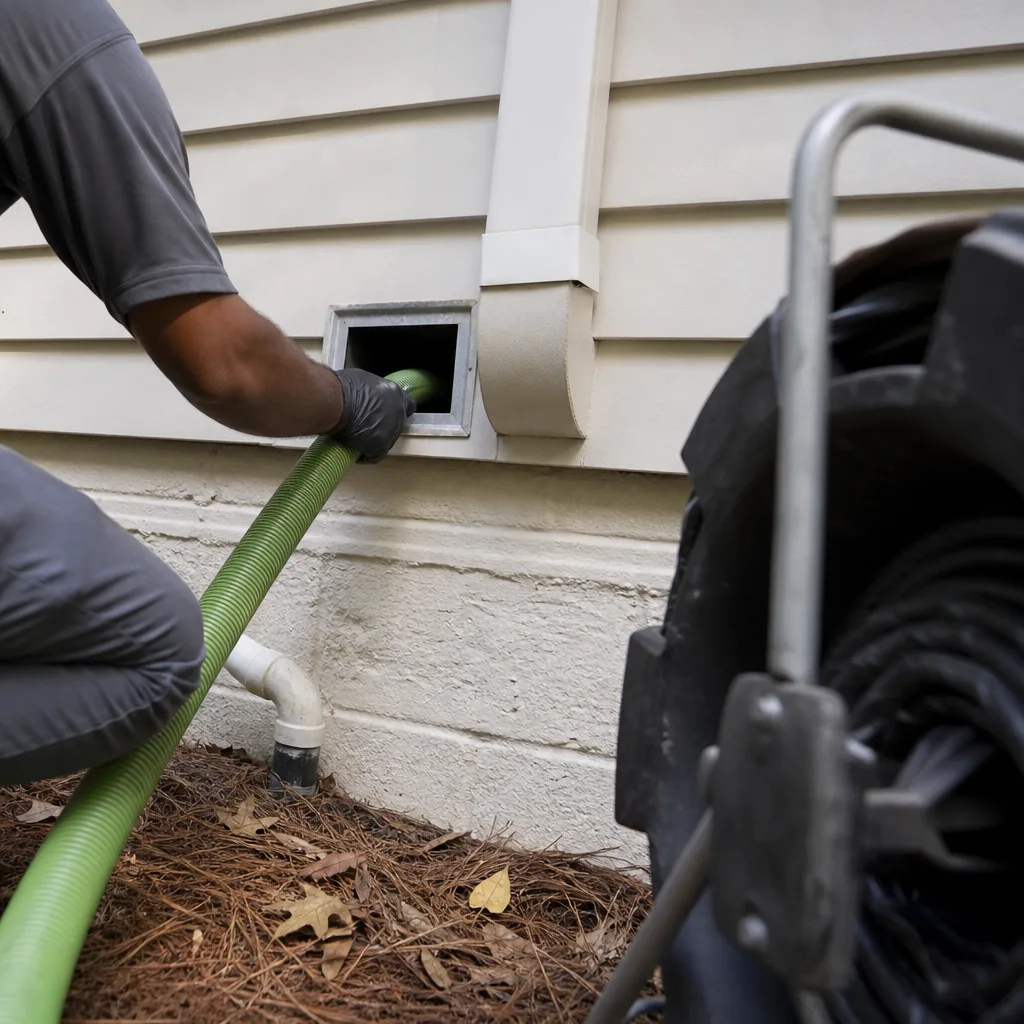
Whole-system duct and dryer vent check with before-and-after photos - you see exactly what came out of your vents
That "$99 whole-house special" is a bait ad - the real number appears once they are in your hallway, or the "clean" is a shop-vac at the register. We photograph the inside of your ducts before and after instead.
Air Duct Cleaning Permits, Codes & Inspections in GA: What You Need to Know
Here’s something that catches a lot of Sandy Springs homeowners off guard: the most expensive permit mistake isn’t skipping one you needed. It’s paying a contractor a “permit processing fee” for an air duct cleaning job that has never required a permit in Fulton County. Not once. Some companies quietly add that line item because most people don’t know the difference between cleaning ducts and modifying them. Our Complete Guide to Air Duct Cleaning in Sandy Springs covers what actually requires a permit in Georgia, what doesn’t, what inspectors look for when work is permitted, and how to protect yourself at resale. We’ll cover the state codes, Fulton County specifics, and the questions worth asking before anyone touches your ductwork.
Styles & brands we work with
Quick Answer
Air duct cleaning alone does not require a permit anywhere in Georgia, including Sandy Springs and Fulton County. However, duct repair, replacement, or any modification to the HVAC system can trigger a mechanical permit under the Georgia State Minimum Standard Codes. The contractor performing permitted work is typically responsible for pulling the permit, but the homeowner carries the liability if it’s skipped.
Table of Contents
- The Critical Distinction: Cleaning vs. Repair
- Georgia’s Code Framework for Duct Work
- When a Fulton County Mechanical Permit Is Triggered
- Who Pulls the Permit: Homeowner or Contractor?
- What Inspectors Actually Look For
- Permit Problems at Resale: What Sandy Springs Sellers Should Know
- Questions to Ask Your Contractor About Permit Responsibility
- Common Mistakes to Avoid
- When to Call a Professional
- Frequently Asked Questions
- The Bottom Line
The Critical Distinction: Cleaning vs. Repair
Most confusion about duct permits comes from one missing distinction. Cleaning is the removal of accumulated dust, pet hair, pollen, and debris from inside existing ductwork. Repair is changing how the system functions: replacing a section of duct, relocating a vent, modifying airflow, patching with new materials, or sealing with mastic in a way that alters the original installation. These are different jobs with different rules.
In Georgia, cleaning requires no permit. You can have your ducts cleaned every year, twice a year, or once a decade, and no one at Fulton County or the State of Georgia will ever ask to see paperwork. It falls under routine maintenance, similar to changing air filters or having your carpets shampooed. The work touches what’s already there without changing it.
Repair is different. If a technician finds a crushed return duct in your crawlspace and recommends replacing that section, or if someone suggests adding a new supply run to balance airflow in a bonus room, that work modifies the HVAC system. Under the International Mechanical Code, which Georgia has adopted with amendments, that type of modification falls under regulated mechanical work. It may require a mechanical permit, an inspection, or both, depending on scope.
The practical takeaway for homeowners in Sandy Springs: before you agree to any duct work beyond cleaning warning signs, ask the contractor one question: “Does this part of the job require a permit?” Their answer, and their willingness to discuss it, tells you a lot about how they operate. A company that dismisses the question or says “we’ll handle it” without specifics is worth a second thought. A company that explains exactly what’s triggered and why, and then pulls the permit themselves, is doing it right.
We see this distinction come up constantly in neighborhoods like Mount Vernon Woods and Riverside, where older homes from the 1970s and 1980s often need more than a surface clean. The ducts in those homes have been through decades of Georgia humidity, and sometimes a section genuinely needs replacing, not just cleaning. That’s when the permit conversation starts.
Georgia’s Code Framework for Duct Work
Georgia operates under a uniform set of construction codes called the Georgia State Minimum Standard Codes. These apply statewide, including in Fulton County and the City of Sandy Springs. The relevant code for HVAC and duct work is the International Mechanical Code, or IMC, which Georgia has adopted with amendments. The state updates its adopted codes periodically, and local jurisdictions enforce them through their permitting and inspection departments.
Practically, this means a metal or flexible duct installation in Sandy Springs has to meet the same material, sizing, and sealing standards as a similar installation in Savannah or Augusta. The code covers materials, installation methods, insulation requirements, and air leakage limits. It does not cover cleaning. You will not find a chapter in the IMC titled “Duct Cleaning” because cleaning is maintenance, not construction.
Here’s what the code framework means in plain language:
- Duct cleaning is unregulated because it doesn’t change the building envelope or mechanical system. No permit, no inspection, no code compliance issue.
- Duct replacement or installation is regulated because it affects airflow, energy efficiency, and fire safety. The code specifies what materials can be used, how joints must be sealed, and how ducts must be supported.
- The air handler, furnace, and condenser connections to ductwork are regulated, so any work that touches those connection points typically falls under the same mechanical permit as the equipment itself.
- Local amendments matter. Fulton County and Sandy Springs can add requirements on top of the state minimum, but they cannot remove state requirements. In practice, both jurisdictions follow the state IMC with minimal local changes for residential duct work.
One more practical note: the code cares about accessible ducts. If a duct is hidden behind finished walls, the code still applies, but enforcement differs. An inspector can’t see what they can’t see, which is why adding a permit for work in a finished ceiling is partly about documentation of what was done, not just inspection of the finished product. That documentation matters later, especially at resale.
When a Fulton County Mechanical Permit Is Triggered
Fulton County, which issues permits for unincorporated areas and works in coordination with the City of Sandy Springs for properties within city limits, requires a mechanical permit for specific classes of HVAC work. The trigger isn’t the dollar amount or the contractor’s preference. It’s the type of work being performed.
Here are the common residential scenarios in Sandy Springs and whether they trigger a mechanical permit:
- Air duct cleaning only: No permit. This is routine maintenance, regardless of how thorough the cleaning is or what equipment is used.
- Dryer vent cleaning: No permit. This is also maintenance. For more on this service, see Dryer Vent Cleaning in Sandy Springs.
- Replacing a damaged section of duct: Yes, a mechanical permit is typically required. The replacement changes the system, and the new materials and connections must meet code.
- Adding a new supply or return line: Yes. This changes airflow design and requires a permit plus a load calculation in many cases.
- Moving a vent or register: Yes, if it involves cutting into new ductwork. If you’re just replacing a decorative register cover, no permit is needed.
- Sealing ducts with aerosolized sealant: This is a gray area. If the sealing is done from inside the ducts without modifying the installation, some jurisdictions treat it as maintenance. If it requires cutting access holes or changing the duct configuration, a permit becomes more likely. Ask your contractor to confirm with the local office.
- Replacing the furnace or air handler and connecting to existing ducts: Yes, a full mechanical permit covers the equipment and the duct connections.
For Sandy Springs specifically, the city operates its own permitting process through its Community Development department. If your property is inside city limits, the City of Sandy Springs issues the permit, not Fulton County. This is a common point of confusion, since the city was incorporated in 2005 and many homeowners still receive some services from the county. If you need clarity, call the Sandy Springs Community Development office directly. That call takes five minutes and eliminates all guesswork.
Why Some Contractors Avoid Permits
Permits cost money, take time, and require inspections. A contractor doing multiple jobs a week in Sandy Springs and Dunwoody knows that a permit adds days to a project and tightens the schedule. Some contractors will tell homeowners that “this small job doesn’t really need a permit” or “we do this all the time without one.” The homeowner saves a hundred dollars in permit fees, and the contractor saves half a day of coordination. The person who pays for that shortcut later is usually the homeowner at resale.
Who Pulls the Permit: Homeowner or Contractor?
Georgia law and standard industry practice are clear: the licensed contractor performing the work is responsible for pulling the permit. When a licensed HVAC contractor in Georgia takes on a job that requires a mechanical permit, that contractor must obtain the permit in their name, schedule the inspection, and ensure the work passes. The homeowner should never be asked to pull a permit for work a contractor is being paid to perform.
There’s a reason this matters. When a contractor pulls a permit, the permit record ties the work to that contractor’s license number. That creates accountability. If something fails later, there’s a record of who did the work and who signed off on it. If the homeowner pulls the permit, the homeowner becomes the de facto contractor in the eyes of the code office. That means the homeowner assumes liability for code compliance, even if they never touched a tool.
Here’s a step-by-step sequence of how permitted HVAC work should go in Sandy Springs:
- The contractor assesses the work and determines a permit is required.
- The contractor submits the permit application to the City of Sandy Springs or Fulton County, depending on jurisdiction. The application includes the contractor’s state license number and a description of the work.
- The permit is issued, and the fee is paid. The contractor may pass this fee through to the homeowner as a line item, which is legitimate and transparent.
- The work is performed to code.
- The contractor schedules the inspection. The inspector reviews the duct work, connections, and any equipment changes.
- The inspection passes, and the permit is closed. The homeowner should receive documentation of the closed permit.
If a contractor asks you to pull the permit yourself, treat that as a red flag. It’s not illegal in every case, but it’s unusual and shifts risk onto you. A contractor who pulls their own permits is demonstrating that they have a valid license and they’re willing to stand behind their work under inspection. That’s exactly what you want.
What Inspectors Actually Look For
When a mechanical permit is pulled for duct work in Sandy Springs, an inspector from the city or county will visit the property to review the installation. Understanding what they look for helps you understand why permitted work has value beyond paperwork.
Inspectors focus on a handful of specific code items:
- Duct material: The IMC specifies approved materials. Flexible duct must be rated for HVAC use, typically labeled and listed. Sheet metal must be the correct gauge for the application.
- Fastening and support: Ducts must be supported at specified intervals. Sagging duct is not just inefficient; it can fail inspection.
- Sealing and joints: Code requires that joints and seams in certain duct types be sealed with approved materials like mastic or listed tape. Duct tape, ironically, is never code-approved for duct sealing.
- Insulation: Supply ducts in unconditioned spaces like attics and crawlspaces must be insulated. In Georgia’s climate, this is a significant efficiency and condensation issue.
- Clearances: Ducts running near combustible materials, electrical wiring, or plumbing vents need proper clearance and protection.
- Airflow design: In some cases, inspectors will check that new ducts are sized appropriately for the system, though detailed load calculations are often reviewed at the permit stage rather than the inspection stage.
For Sandy Springs homeowners, the attic is where inspection issues most often arise. Georgia’s hot, humid summers punish poorly insulated or poorly sealed ductwork in unconditioned attics. Inspectors familiar with our climate zone look carefully at attic duct insulation and sealing, because they know a leaky supply duct in a 140-degree attic wastes energy and causes condensation problems that can damage ceilings.
If you’ve had your ducts cleaned, inspected, and documentation prepared showing the system’s condition before a permitted repair, you’re in a stronger position both for the inspection and for future resale. That documentation doesn’t replace the permit, but it establishes a baseline. We recommend homeowners keep records of any professional duct assessment alongside their permit paperwork.
Permit Problems at Resale: What Sandy Springs Sellers Should Know
Sandy Springs has one of the most competitive real estate markets in metro Atlanta. Buyers here are sophisticated, many of them work in construction, engineering, or real estate themselves, and their inspectors are thorough. Unpermitted mechanical work is one of the most common issues that surfaces during due diligence, and it creates several specific problems for sellers.
First, a buyer’s home inspector may flag visible duct modifications that don’t match county records. If there’s no permit on file and the work is obviously newer, the inspector will note it. That single note can delay closing by weeks or cause the buyer to request a price reduction, because they’re now pricing in the unknown cost of bringing the work into compliance.
Second, some lenders and insurance carriers care about unpermitted mechanical work. A lender may require a retroactive permit before funding, and an insurer may ask questions if the HVAC system has been modified outside the permitting process. In Sandy Springs, where home values routinely exceed $600,000, lenders are paying attention.
And here’s the part most sellers don’t think about until it’s too late: cleaning records don’t fix a permit problem, but they do help establish good faith. If you had your ducts professionally cleaned and have documentation, that’s evidence of maintenance. If you had a section of duct replaced without a permit, cleaning records for the rest of the system don’t erase that lapse. The two are separate issues with separate solutions.
For sellers in Sandy Springs neighborhoods like Huntcliff, Riverside, and Spalding Hills, our recommendation is simple: before listing, review any HVAC work done during your ownership. If you know of a duct replacement, vent addition, or system modification that happened without a permit, disclose it to your agent early. Solutions exist, including retroactive permits in some cases, but they’re much easier to resolve before closing than after a buyer walks.
Questions to Ask Your Contractor About Permit Responsibility
You don’t need to be a code expert to protect yourself. You just need to ask the right questions before work starts. Here’s a numbered list of questions we recommend every Sandy Springs homeowner ask any contractor who proposes duct work beyond cleaning:
- “Does any part of this job require a mechanical permit in Sandy Springs?” Listen for a direct answer. If they hesitate or change the subject, that’s information.
- “If a permit is required, who pulls it?” The answer should be the contractor. See the section above on why this matters.
- “Is the permit fee included in my quote or shown as a separate line item?” Either answer is fine as long as it’s transparent. Hidden fees are the problem, not pass-through fees.
- “Will I receive documentation when the permit is closed?” You should receive either a copy of the closed permit or access to the online record. If they say you don’t need it, that’s a warning sign.
- “Are you licensed in Georgia for this type of mechanical work?” A legitimate contractor will answer instantly and provide their license number if asked. Georgia HVAC contractors must hold a state license from the Construction Industry Licensing Board.
- “Does this quote cover the full job, or could additional costs come up?” This isn’t a permit question per se, but it’s the companion question that matters most. A written price before work starts should be standard. See Air Duct Cleaning in Sandy Springs for how our written pricing works.
These questions take two minutes to ask and save months of headache later. A good contractor appreciates them. A contractor who resents them is giving you the answer you need.
Sandy Springs Specifics: Climate, Homes, and Duct Reality
Sandy Springs sits in a humid subtropical climate. The air is heavy from May through September, and even spring and fall bring significant moisture. That climate shapes the ductwork in local homes in ways that influence both cleaning and code compliance.
Most homes in Sandy Springs have ducts running through unconditioned attics or crawlspaces. That’s standard for the region, but it’s also the source of most duct problems. Attic ducts cycle through extreme heat in summer and cool, damp conditions in winter. Over decades, that cycle loosens joints, cracks sealing materials, and tests the insulation that inspectors care about when work is permitted.
Humidity is the other factor. In Sandy Springs, any small air leak in a supply duct pulls humid outdoor air into the system, or pushes conditioned air into a hot attic where it condenses. That condensation can drip onto insulation, drywall, or stored belongings. We’ve seen homes in Dunwoody and northern Sandy Springs where a small duct leak created a mold spot on a ceiling that looked like a roof leak. The roof was fine. The duct was leaking. That’s a repair scenario, not a cleaning scenario, and it’s exactly the kind of work where a permit should be part of the conversation.
The housing stock matters too. Sandy Springs has a mix of mid-century ranches, 1970s and 1980s contemporaries, and newer construction in areas like Chastain and the Perimeter corridor. Older homes are more likely to have rigid metal ducts, which clean well and often last decades. Newer homes are more likely to have flexible duct, which is inexpensive to install but more prone to sagging, kinking, and debris accumulation. Neither type requires a permit for cleaning. Both types may require a permit for repair or replacement, depending on scope.
Our Mortons Air Duct Sandy Springs home page includes more detail on how we approach different home types across the area.
Common Mistakes to Avoid
- Paying a “permit fee” for a cleaning-only job. Air duct cleaning never requires a permit in Georgia. If a duct cleaning quote includes a permit line item, ask what the permit is for. If they can’t explain it, find another company.
- Assuming the contractor pulled the permit without verifying. Some homeowners pay for permitted work and never confirm the permit was actually issued. Before work starts, ask for the permit number. After work is done, ask for the closed permit documentation.
- Letting a contractor convince you a “small” duct replacement needs no permit. The code doesn’t have a small-job exemption for duct replacement. If a section of duct is being changed out, the work is regulated. The cost of the permit is small compared to the resale risk of skipping it.
- Confusing a business license with an HVAC license. A company may have a Sandy Springs business license, which is an administrative document. That is not the same as a Georgia HVAC contractor license from the Construction Industry Licensing Board. Ask specifically about the HVAC license.
- Throwing away duct cleaning and maintenance records. In Sandy Springs, where real estate transactions move fast, having a paper trail of maintenance helps at resale. Keep receipts and service records in the same folder as your other home documents.
- Pulling a permit yourself for work a contractor is doing. This shifts liability to you. There is rarely a good reason for this unless you’re genuinely acting as your own contractor, which most homeowners are not qualified to do.
- Assuming code requirements are the same as they were when your home was built. Codes change. A duct installation that was legal in 1985 may not meet current standards. That’s fine unless you modify the system, at which point the modified portion must comply with current code.
When to Call a Professional
If you’re reading this because you have duct work planned or a contractor has quoted work that includes more than cleaning, you’re in the right frame of mind. The simplest way to protect yourself is to work with a company that answers your permit questions directly and puts the scope of work in writing. For more guides & resources on air duct cleaning in Sandy Springs, that conversation is straightforward: no permit required, written price provided before we start, and documentation of the work when we finish.
If your project involves duct repair, replacement, or system modification, we’ll be the first to tell you when a permit is warranted and who should pull it. You don’t need to solve the code puzzle alone. Mortons Air Duct Sandy Springs offers free estimates in Sandy Springs, call (229) 495-2691 and we’ll walk through what your project actually involves, what it will cost, and whether any part of it needs a permit.
Frequently Asked Questions
No. Air duct cleaning is classified as routine maintenance under Georgia code and requires no permit from the state, Fulton County, or the City of Sandy Springs. Only duct repair, replacement, or modification triggers permit requirements. If you’d like a specific cleaning quote without any permit confusion, call (229) 495-2691 for a free estimate.
Duct cleaning removes debris from existing ducts and requires no permit. Duct repair changes the system, such as replacing a damaged section or adding a new vent, and typically requires a mechanical permit. The distinction is about whether the work modifies the HVAC installation or simply maintains it.
The licensed HVAC contractor performing the work is responsible for pulling the permit, scheduling the inspection, and ensuring the work passes. If a contractor asks you to pull a permit yourself, that’s a warning sign that they may not be properly licensed or don’t want the accountability of a permit record in their name.
Mechanical permit fees vary based on the scope and valuation of the work, and the City of Sandy Springs and Fulton County set their own fee schedules. The best move is to ask your contractor to include the permit fee as a transparent line item in your written quote before work starts. That way you know what you’re paying and why.
Yes. A buyer’s home inspector may flag visible duct modifications that don’t match permit records, and that can delay closing or lead to price reductions. Lenders may also question unpermitted mechanical work. If you know of unpermitted duct repairs from your ownership period, disclose them to your agent early and explore your options.
Duct cleaning is generally recommended every three to five years, though homes with multiple pets, recent renovations, or allergy concerns may benefit from more frequent service. Mechanical inspections are only required when permitted work is performed. For homes in Sandy Springs with attic ductwork, an annual visual check for sagging or disconnected sections is a good habit. Call (229) 495-2691 if you’d like us to take a look.
The Bottom Line
The permit question for air duct work in Georgia comes down to one distinction: cleaning requires no permit, and repair or modification usually does. Knowing that single fact saves Sandy Springs homeowners money on unnecessary “permit processing” fees and protects them from resale problems when unpermitted work surfaces during a buyer’s inspection. Before any duct work starts, confirm whether a permit is needed, confirm who pulls it, and get the scope and price in writing. If the answers are vague, keep looking. A good contractor makes this easy. A great one makes it boring. That’s what you want.
Written by Paul Adeyemi, Owner at Mortons Air Duct Sandy Springs, serving Sandy Springs since 2005.
See the difference
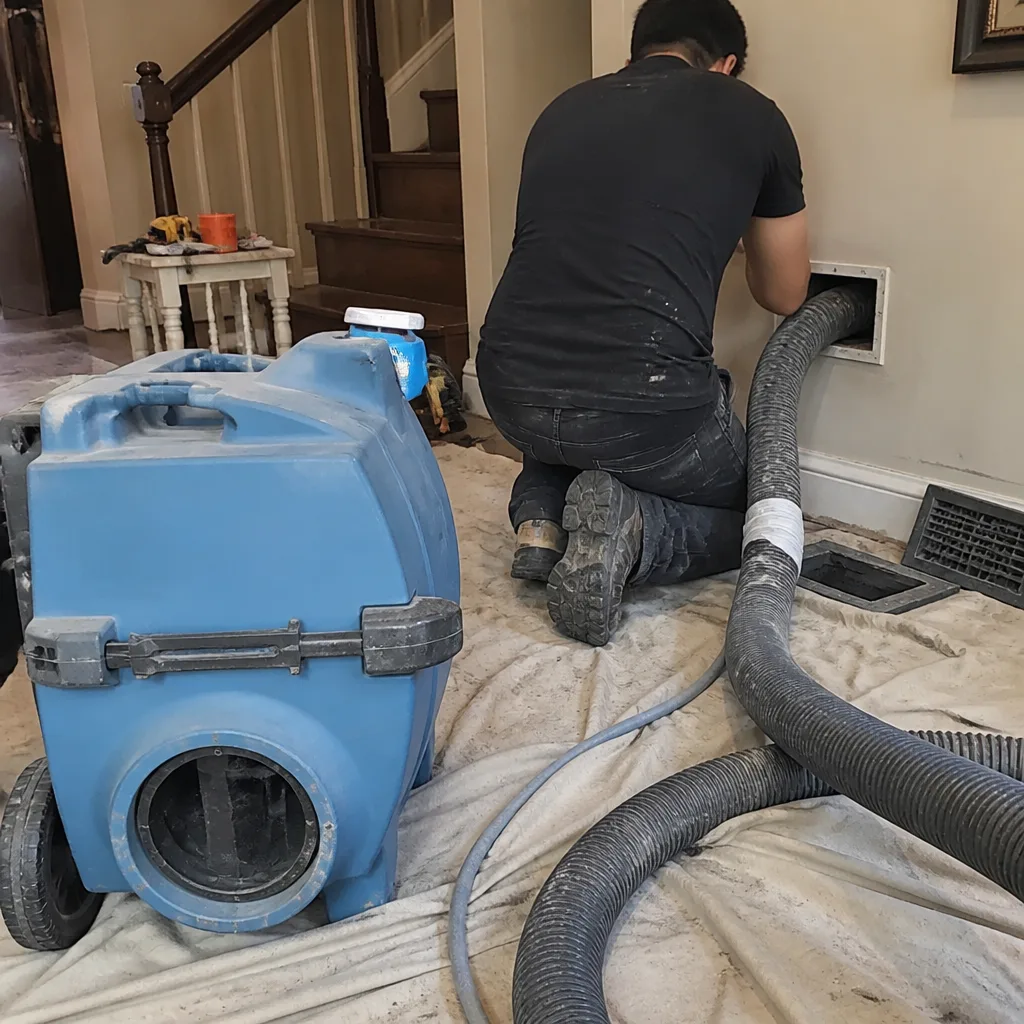 Before
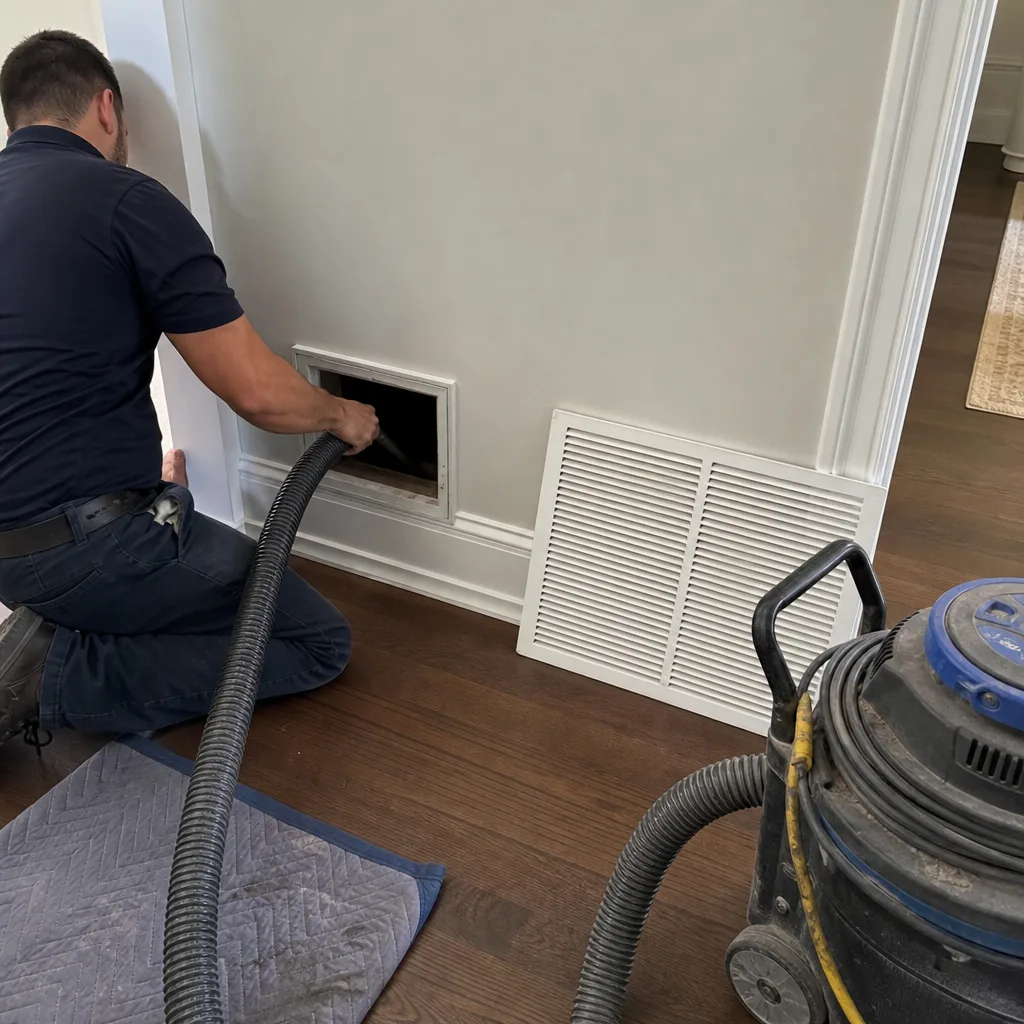 After
After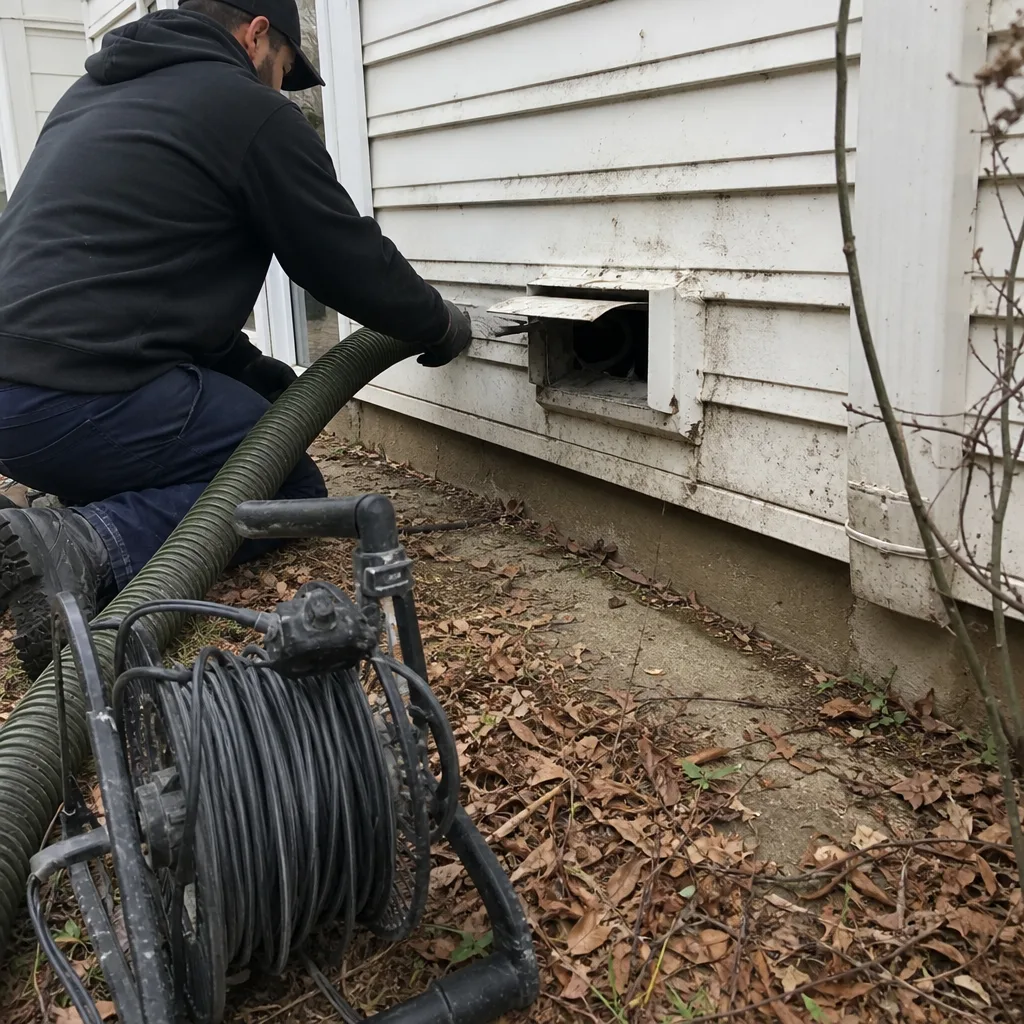 Before
 After
After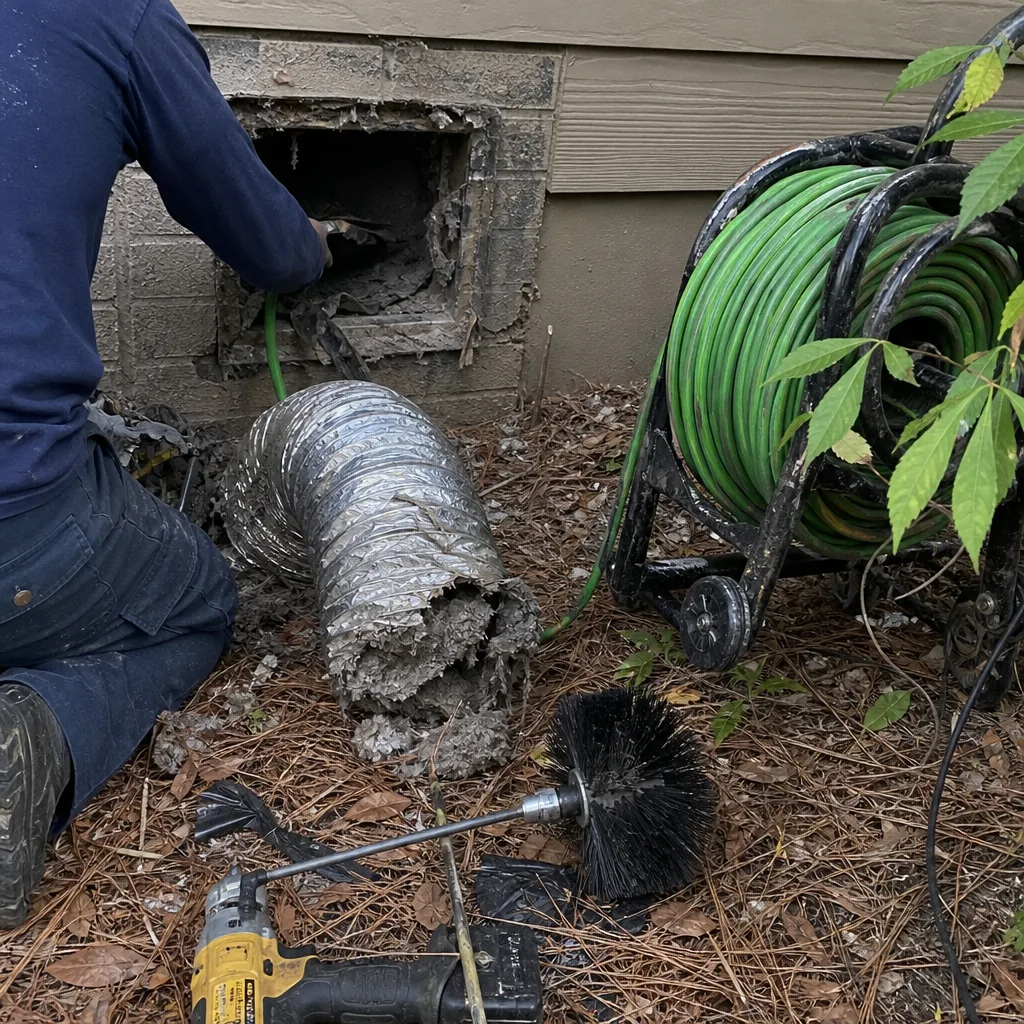 Before
 After
After