
Last updated October 15, 2026
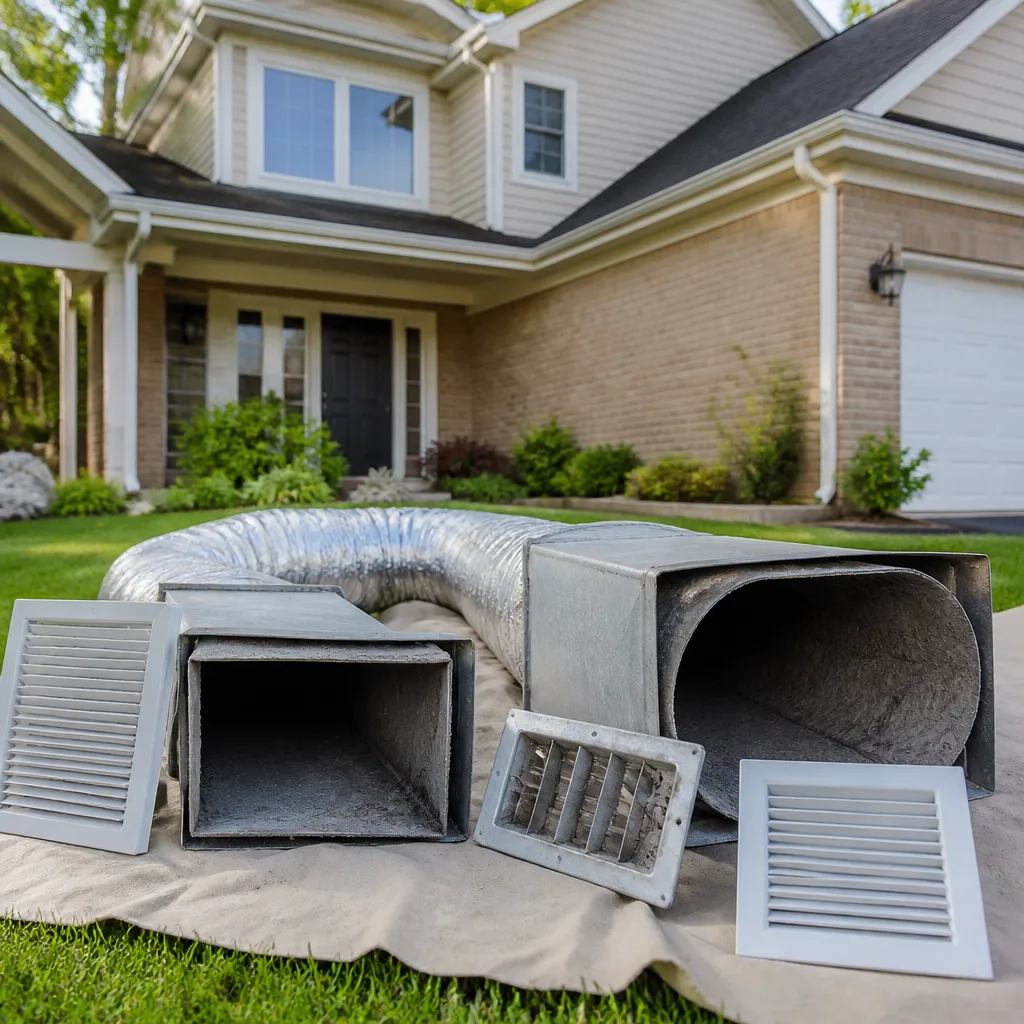 Whole-home duct cleaning
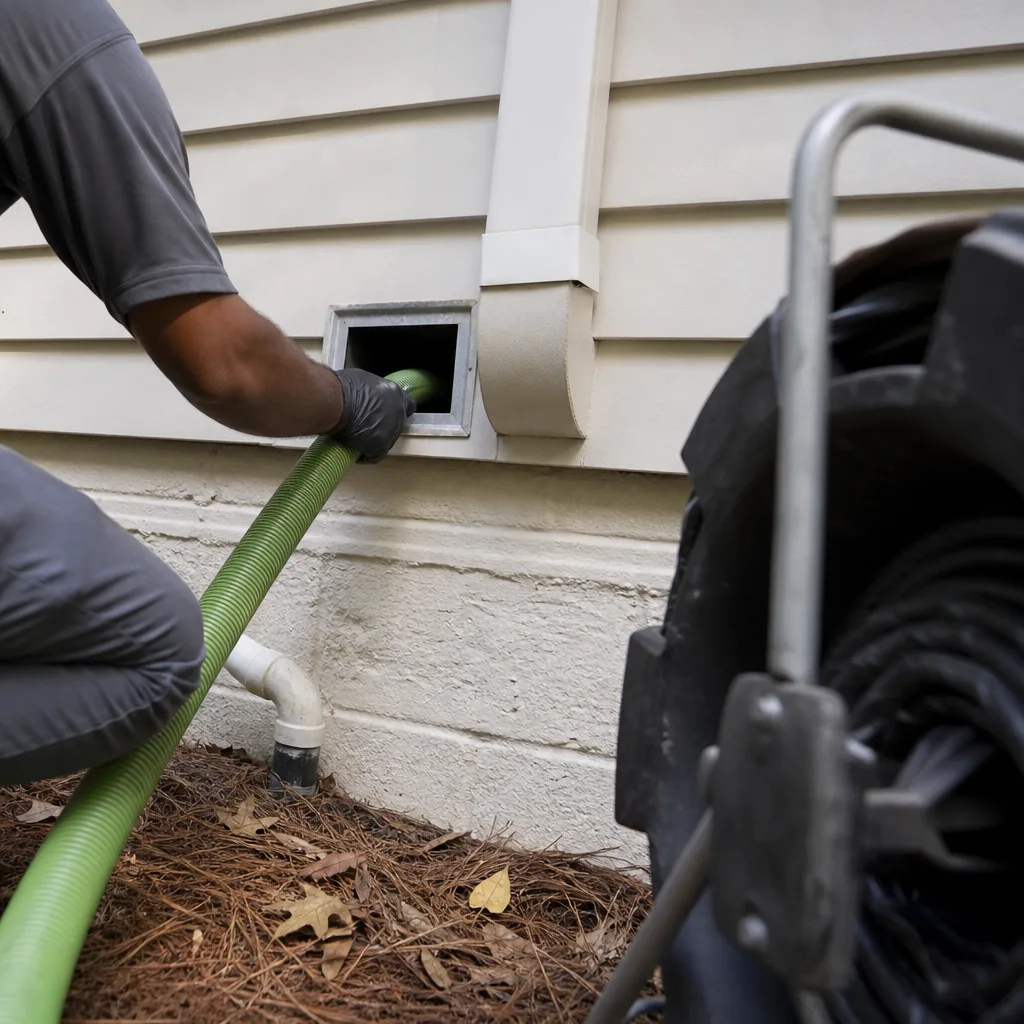
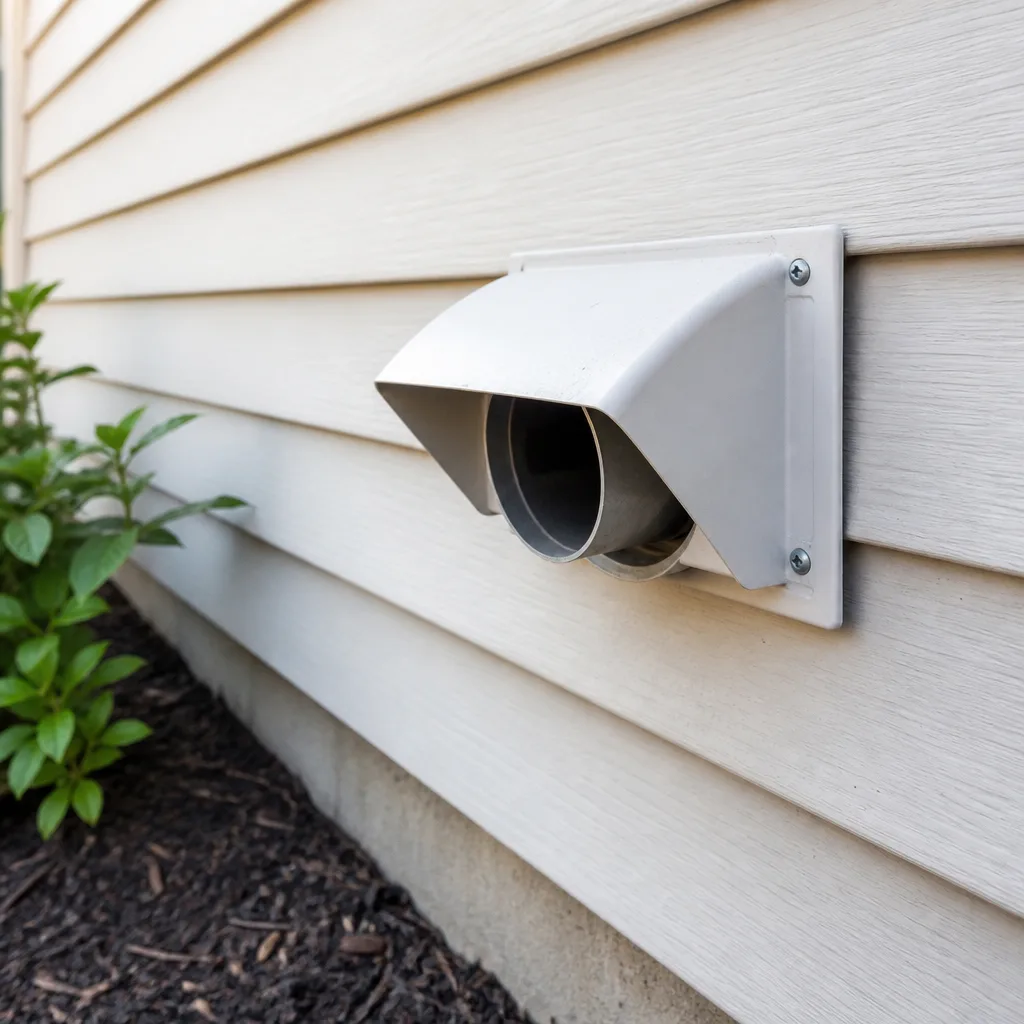 Dryer vent cleaning
 Camera inspection
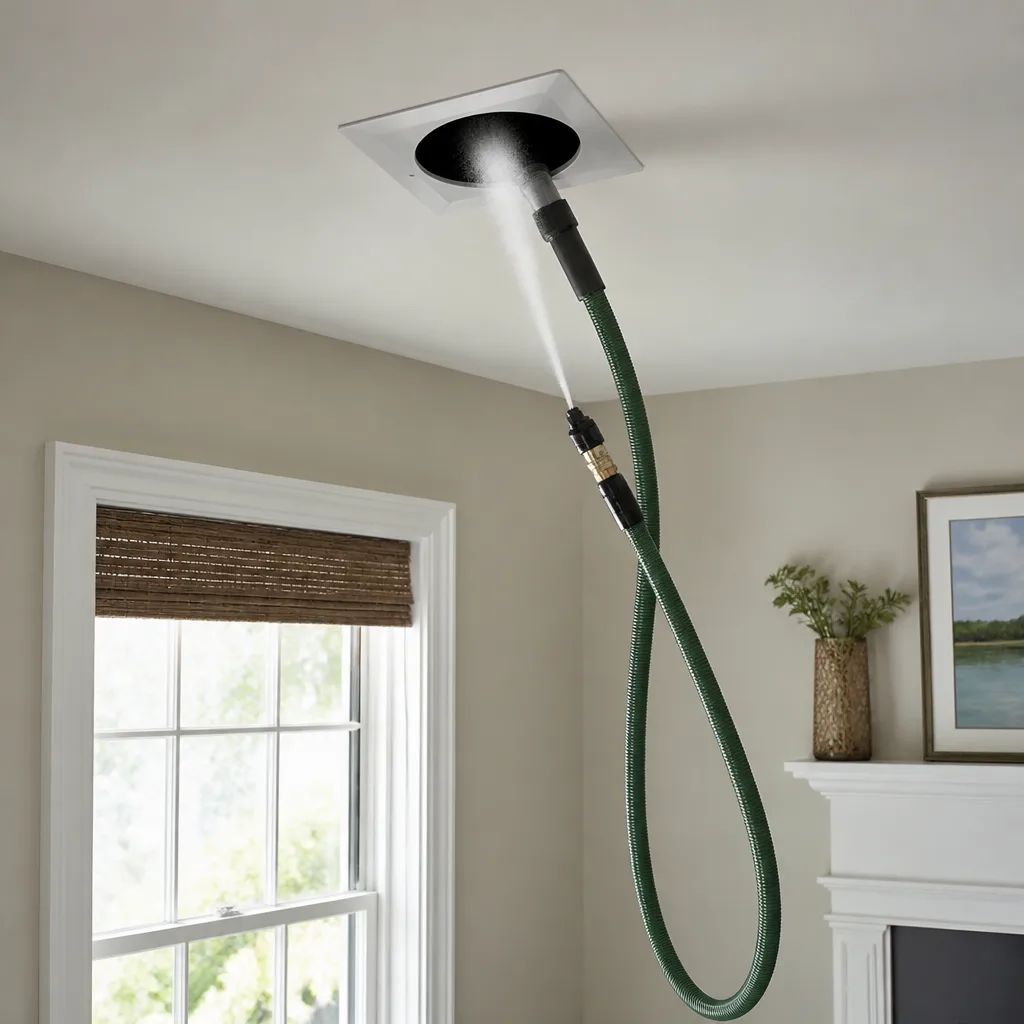 Sanitizing & deodorizing
Whole-system duct and dryer vent check with before-and-after photos - you see exactly what came out of your vents
That "$99 whole-house special" is a bait ad - the real number appears once they are in your hallway, or the "clean" is a shop-vac at the register. We photograph the inside of your ducts before and after instead.
Air Duct Cleaning Maintenance Checklist for Sandy Springs Homeowners
Replacing a $12 filter on the wrong schedule, either too early or too late, can undo a professional duct cleaning within a single Georgia spring season. Homeowners in Sandy Springs face a specific set of challenges: one of the highest pollen loads in the Southeast from February through May, humidity swings that turn cool duct interiors into condensation zones, and slab-on-grade construction that changes how quickly dust resettles. This guide gives you a room-by-room, month-by-month maintenance reference you can actually follow, not the generic advice printed on filter packaging. We’ll cover what to check, what you’re looking for, and when Air Duct Cleaning is the smarter call.
Styles & brands we work with
Quick Answer
Air duct maintenance in Sandy Springs comes down to four habits: change your filter every 30 to 60 days during pollen season (February through May) and every 90 days the rest of the year, visually inspect vents and registers monthly for dust buildup and moisture marks, keep return-air pathways clear of pet hair and furniture, and have the ducts professionally cleaned on a schedule that matches your household: every 2 to 3 years with pets, every 3 to 5 years without. The dryer vent belongs on this same checklist because it shares the same air-exhaust ecosystem and fails the same way: slowly, then all at once.
Table of Contents
- Filter-Change Timing for Sandy Springs Pollen Seasons
- Monthly Visual Inspections: What to Look For at Each Vent and Register
- How Pet Dander and Humidity Interact Inside Sandy Springs Ductwork
- The Dryer Vent: The Piece Most Checklists Omit
- Room-by-Room Maintenance Checklist for Sandy Springs Homes
- How to Keep a Maintenance Log That Helps Your Technician
- When Professional Air Duct Cleaning Makes Sense in Sandy Springs
- Common Mistakes to Avoid
- When to Call a Professional
- Frequently Asked Questions
- The Bottom Line
Filter-Change Timing for Sandy Springs Pollen Seasons
The package on your furnace filter says “change every 90 days.” That advice was not written for Sandy Springs. Our technicians have pulled filters from homes in Dunwoody, Roswell, and Sandy Springs proper that were completely packed with yellow-green pollen within six weeks of installation. The tree pollen season here runs hard from February through May, with pine pollen peaking in March and April. If you wait 90 days during that window, the filter becomes a restriction, not a filter. Your system works harder, your energy bill climbs, and the dust that was already cleaned from your ducts starts accumulating again. For Air Duct Cleaning Warning Signs: A Sandy Springs Homeowner’s Reference Guide, check our local resource.
Here’s the filter schedule we recommend for Sandy Springs households:
- February through May (tree pollen peak): Check the filter every 30 days. Change it every 30 to 60 days, or sooner if you can see visible buildup.
- June through September (grass pollen, humidity peak): Change every 60 days. The pollen load drops, but humidity keeps dust damp and sticky.
- October through January (ragweed season, then winter): Change every 60 to 90 days. Homes with pets should stay closer to 60.
Use a MERV 8 to MERV 11 filter for most Sandy Springs homes. Anything higher restricts airflow on standard residential systems unless the system was designed for it. Brands like Honeywell and Aprilaire make reliable mid-range filters that balance capture efficiency with airflow. Write the installation date on the filter frame with a permanent marker so you’re not guessing later. A filter schedule that matches the local pollen calendar is the single highest-leverage act in this entire checklist.
Monthly Visual Inspections: What to Look For at Each Vent and Register
A monthly visual pass takes about ten minutes and tells you more about your duct health than a year of guessing. You’re looking at three things: color, texture, and odor. Each one means something specific.
Start with the return-air registers, typically located high on walls or in hallways. These pull air in, so they collect more dust than supply registers. Use a flashlight and look at the edges of the grille and slightly inside:
- Color: Gray or white dust is normal household dust. Yellow or green tint means pollen is still circulating. Black or dark speckling near a register, especially in a bathroom or laundry area, may indicate moisture-related mold growth and needs professional evaluation.
- Texture: Dry, fluffy dust is normal. Sticky, greasy, or damp residue suggests either a leaking duct connection pulling in humid outside air or a condensation issue inside the duct. In slab-on-grade Sandy Springs homes, ducts running through the slab are especially prone to moisture wicking.
- Odor: A dusty smell when the system kicks on is common and usually means the ducts are due for attention. A musty or sour odor is different and should be investigated, not masked with air fresheners.
Walk each room and check supply registers too. If one room consistently shows more dust around its register than others, that’s a clue: either that branch line has a leak, the register is getting bypassed, or the room’s return-air path is blocked. In older Sandy Springs homes with retrofitted HVAC, blocked returns are common because furniture placement changes but duct layout doesn’t.
How Pet Dander and Humidity Interact Inside Sandy Springs Ductwork
Pet dander is not just hair. It’s tiny skin flakes, and it behaves differently in ductwork than regular household dust. Dander is sticky. It adheres to the interior walls of ducts, especially the return-side ducts where air velocity is lower. Once it adheres, it becomes a magnet for other particles. A duct wall coated in dander captures dust, pollen, and mold spores that would otherwise pass through the system.
Sandy Springs humidity makes this worse. During July and August, outdoor humidity regularly exceeds 80%. When air inside the ducts cools, moisture condenses on the metal walls. Dry dust on a duct wall just sits there. Dust that has absorbed humid air becomes a paste. Dander-laden dust that has absorbed humid air becomes a breeding substrate. This is why homes with two or more indoor pets in Sandy Springs typically need air duct cleaning in Sandy Springs more frequently than pet-free homes in the same neighborhood.
Between professional cleanings, you can reduce the dander load inside your ducts with a few habits:
- Brush and bathe pets regularly. Removing dander at the source keeps it from ever entering the system.
- Vacuum with a HEPA-filter vacuum. Standard vacuums recirculate dander into the air where it gets pulled into returns. A HEPA vacuum captures it.
- Change the filter more often during shedding season. Dogs and cats shed heavily in spring and fall, right when pollen is also peaking. Your filter is doing double duty those months.
- Keep a humidity monitor in the hallway near the thermostat. Indoor humidity between 40% and 55% slows both dander clumping and dust mite activity. Above 60%, you’re feeding the problem.
If you have indoor pets and haven’t had the ducts cleaned in three or more years, the dander load inside the ductwork has likely reached the point where filter changes alone won’t keep up. The Mortons Air Duct Sandy Springs home team has seen ducts in pet-owning Sandy Springs households come out with a quarter-inch of matted dander along the bottom of the return line. That’s not a filter problem; that’s a mechanical removal problem.
The Dryer Vent: The Piece Most Checklists Omit
Most air duct maintenance checklists ignore the dryer vent entirely. That’s a mistake, because the dryer vent is the most failure-prone air pathway in a Sandy Springs home. It handles hot, lint-laden air on every cycle, and it runs through walls, attics, or slabs where no one ever looks. A clogged dryer vent is also the single most preventable fire risk in a modern household, according to the U.S. Fire Administration.
In Sandy Springs, where many homes were built in the 1970s and 1980s, dryer vents often run long distances with multiple elbows. Every bend is a lint-catching point. Here’s what to monitor:
- Dryer performance: If a standard load now takes two full cycles to dry, and the lint filter is clean, the vent is restricted. This is the earliest and most reliable warning sign.
- Exterior vent flap: Go outside and check the vent hood while the dryer is running. The flap should be pushed open by strong airflow. If it barely moves, lint buildup is choking the line.
- Laundry room signs: A warm, humid laundry room during a dry cycle, a burnt-smoky odor, or visible lint collecting behind the dryer all point to vent restrictions.
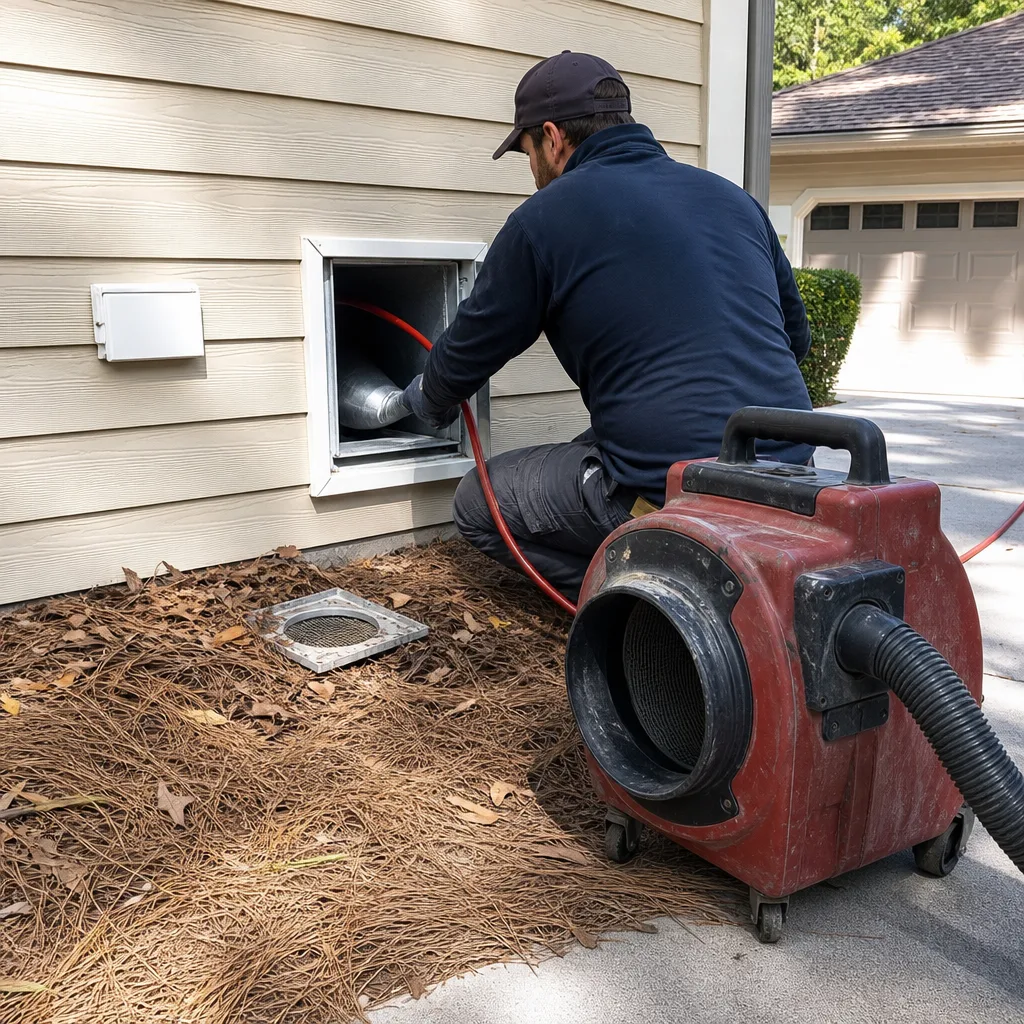
Professional dryer vent cleaning in Sandy Springs is recommended annually for households that run the dryer three or more times per week. Our technicians use professional-grade rotary brushes, often from brands like Nikro, to break up the compacted lint that flat homeowner brushes leave behind. This should be part of the same maintenance calendar as your filter changes, not an afterthought.
Room-by-Room Maintenance Checklist for Sandy Springs Homes
Duct problems don’t distribute evenly. They cluster where air flows most, where moisture gathers, and where furniture blocks returns. This room-by-room reference aligns with what our technicians actually look for when assessing homes in Sandy Springs neighborhoods like North Springs, Riverside, and Huntcliff.
Master Bedroom and Children’s Bedrooms
- Check supply registers monthly for visible dust or discoloration. Bedrooms are the highest-hour spaces in most homes, so registers here fail first.
- Keep at least four inches of clearance below and around return grilles. Bedding, stuffed animals, and dressers are the usual blockers.
- If a child has allergies or asthma, keep a small HEPA air purifier running during pollen season. This lifts some of the load off the central system.
Kitchen
- Run the exhaust fan while cooking, but never rely on it instead of the central system. Cooking oils aerosolize and drift into returns where they coat duct walls with stickiness.
- Wipe the faces of supply and return registers in the kitchen monthly with a damp cloth. Kitchen dust is greasier and clings.
- Check the range hood filter monthly and clean or replace it. A saturated hood filter dumps grease-laden air directly into the kitchen’s air path.
Bathrooms
- Run the bathroom exhaust fan during every shower and for 20 to 30 minutes after. Sandy Springs summer humidity makes bathroom exhaust habits critical to duct health.
- Check bathroom registers monthly for dark speckling. Moisture plus organic dust equals mold growth on the register face, and if you see it on the face, there is more inside.
- If a bathroom register is within reach of a shower door or curtain, keep the register closed during showers.
Laundry Room
- Clean the dryer lint filter after every load. This is a daily habit, not a monthly one.
- Check the area behind the dryer quarterly. Lint accumulation back there means the transition duct is loose or the vent is back-flowing.
- Schedule annual professional dryer vent cleaning. See the section above for the warning signs that suggest you shouldn’t wait.
Finished Basements (Where Present)
- If you have a finished basement or crawlspace in a Sandy Springs home, check the registers monthly for condensation or rust. Below-grade ducts in our clay-heavy soil absorb moisture through the slab.
- Keep basement humidity below 55% with a dehumidifier during summer months if the central system doesn’t already manage it.
How to Keep a Maintenance Log That Helps Your Technician
Your maintenance log is the difference between a technician guessing at your system’s history and a technician assessing it with confidence. A simple notebook, a Notes app entry, or a printed checklist on the fridge all work. What matters is that the record exists and contains the facts a technician actually needs.
Here’s what to record each time you touch the system:
- Date and type of action: “March 14, 2026 – replaced MERV 8 filter.”
- What you observed: “Filter was visibly clogged with yellow pollen. Return register in hallway had gray dust.”
- Anything unusual: “Musty odor from master bedroom register for two days after rain.”
- Dates of professional service: “October 2024 – professional air duct cleaning by Mortons Air Duct Sandy Springs.”
When a technician from our team arrives at a Sandy Springs home and sees a log like this, the diagnosis moves faster. We can cross-reference your observations with the age of the system, the filter schedule, and the duct layout. Instead of “let’s see what we find,” it becomes “your notes tell us exactly where to look.” That’s the difference between a 90-minute exploratory visit and a focused, efficient clean.
Bring the log to your estimate. It also protects you from over-recommendation. If a company tells you the ducts need cleaning when your log shows a professional clean seven months ago and no visible buildup since, you have documentation to push back.
When Professional Air Duct Cleaning Makes Sense in Sandy Springs
Maintenance habits extend the life of a professional cleaning. They don’t replace it. Duct interiors are the one surface in your home you can’t wipe down with a rag, and over time, every Sandy Springs home accumulates material inside the ductwork that filters can’t catch and registers can’t show you.
Here’s the schedule we recommend based on household characteristics:
- Every 2 to 3 years: Homes with two or more pets, households with allergy or asthma sufferers, homes where the dryer vent has not been cleaned in recent years.
- Every 3 to 5 years: Pet-free homes with consistent filter habits and no visible register buildup.
- Sooner if: You see visible dust fall from registers when the system kicks on, you smell a persistent musty odor that’s not tied to a single source, or you’ve just completed a renovation or remodel in Sandy Springs. Drywall dust and construction debris will find their way into every open duct.
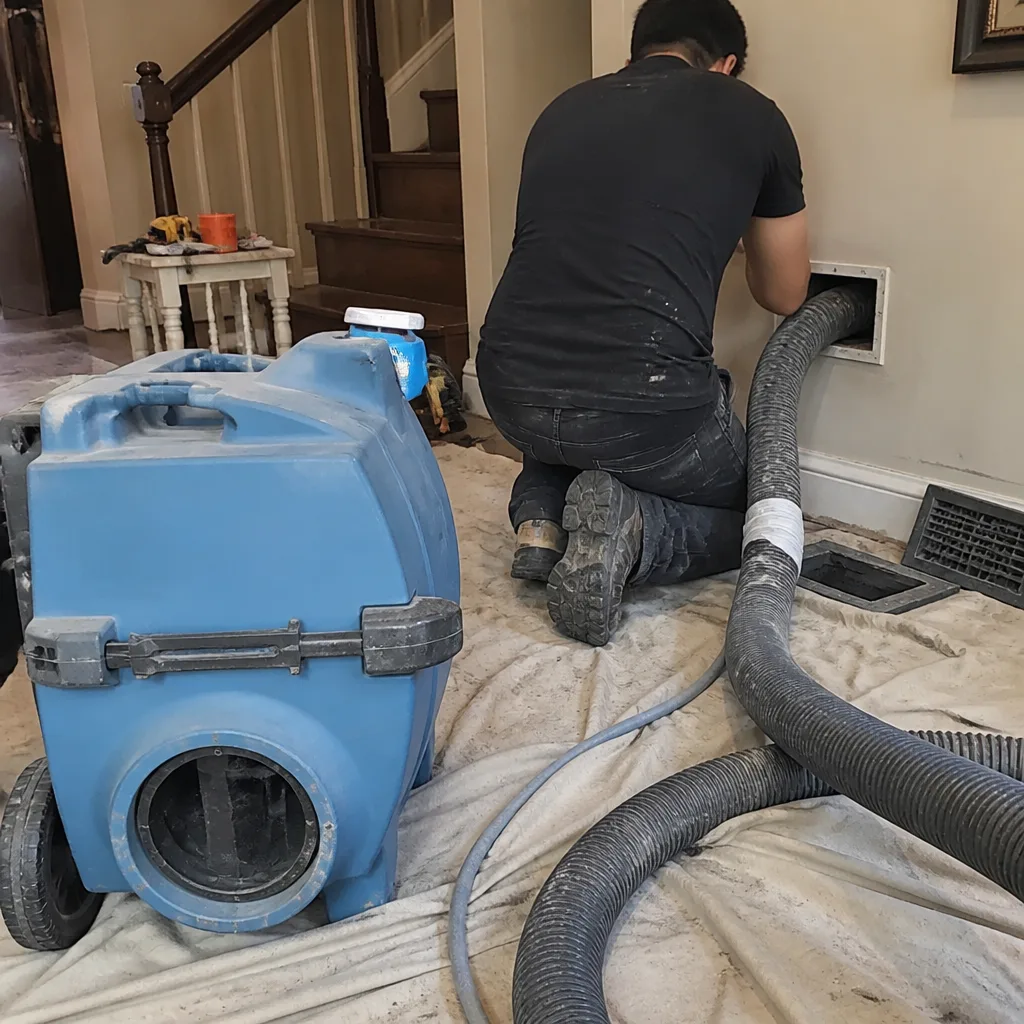
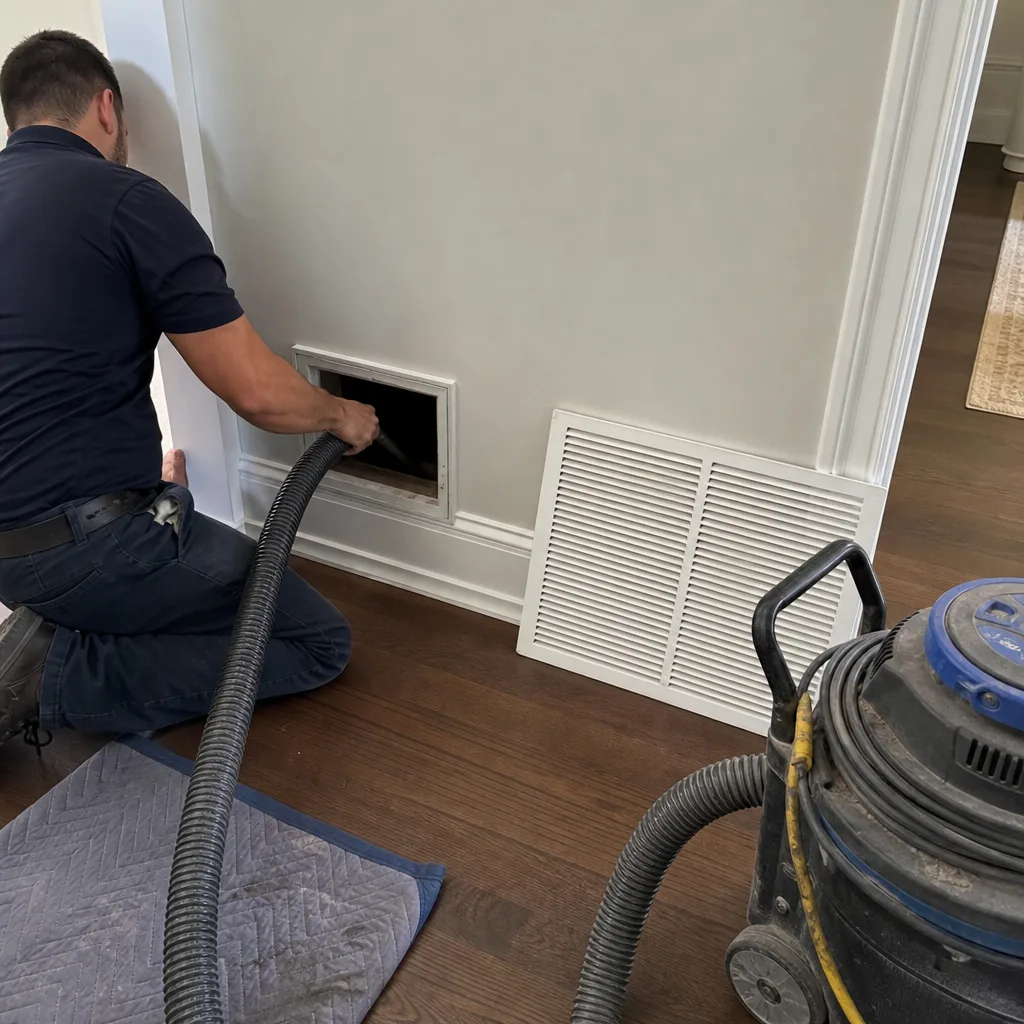
When we clean ducts in Sandy Springs, we use professional equipment from brands like Rotobrush and Abatement Technologies, not rental-level gear. The difference matters: professional agitation loosens the compacted layer of dust and dander that a homeowner-level brush can’t reach. We also cover floors with drop cloths and wear shoe covers from the moment we walk in, and we take a photo of the clean-up before we leave so there’s visual proof your home is better than we found it.
Common Mistakes to Avoid
- Following the 90-day filter schedule year-round. In Sandy Springs, a 90-day filter looks like a solid yellow mat by mid-April. Switch to 30-to-60-day changes during February through May.
- Buying the highest-MERV filter you can find. MERV 13 and higher filters restrict airflow on most residential systems built in the last 30 years. The system runs longer, works harder, and pulls more humid outside air through duct gaps. Stick with MERV 8 to 11.
- Ignoring the dryer vent because it’s not part of the HVAC system. The dryer pushes lint into the same air ecosystem your family breathes. A neglected dryer vent in a Sandy Springs laundry room is a slow-motion problem that’s invisible until clothes stop drying or the exterior flap stops moving.
- Blocking return registers with furniture or storage. A blocked return doesn’t just reduce airflow; it creates negative pressure that pulls dust and humid outside air through cracks in the ductwork. In slab-on-grade homes, that means pulling air from inside the slab.
- Cleaning only what you can see. Wiping register faces is maintenance theater. The dust that matters is eight to thirty feet inside the branch lines.
- Waiting for a smell to act. By the time a musty odor is noticeable from multiple registers, the moisture issue inside the ducts has been active for weeks or months. The smell is a symptom, not a starting gun.
- Not keeping a log. Without a record, every estimate is a guess. A 12-month maintenance log is the single most useful thing you can hand a technician.
When to Call a Professional
Call a professional when you see dark speckling or moisture staining that doesn’t wipe clean from a register face, when a musty odor persists after filter changes and register cleaning, or when visible dust blows from registers every time the system cycles on. Also call if you’ve lived in the home more than four years and can’t recall the last professional cleaning. Before scheduling, review Air Duct Cleaning Permits, Codes & Inspections in GA: What You Need to Know. Mortons Air Duct Sandy Springs offers free estimates in Sandy Springs, and every estimate includes a written price before any work starts. Call (229) 495-2691 to schedule an assessment.
Frequently Asked Questions
Change it every 30 to 60 days from February through May, every 60 days from June through January if you have pets, and every 90 days in the cooler months if your home is pet-free. The 90-day guidance on filter packaging is written for average conditions, and Sandy Springs pollen season is not average. Call (229) 495-2691 if you want help identifying the right filter type for your specific system.
You need cleaning if you see visible dust collect quickly around supply registers after you’ve just changed the filter, if you smell a persistent musty odor from the registers when the system runs, or if you can see dust matted on the inside of a return register with a flashlight. If you’re unsure, a free estimate from a professional will tell you quickly. Call (229) 495-2691 to schedule an assessment in Sandy Springs.
Yes, when combined with proper filter habits and regular vacuuming. Professional cleaning removes the accumulated pollen, dander, and dust that your filter never catches and that recirculates through the system during every cycle. In Sandy Springs, where spring pollen is dense enough to coat outdoor surfaces within days, duct cleaning reduces the indoor pollen reservoir that returns keep drawing from.
A typical single-system Sandy Springs home takes two to four hours from setup to final walkthrough, larger homes or homes with multiple HVAC systems take longer. The technician should explain the scope, provide a written price before starting, and walk you through the before-and-after photos before leaving.
Dust returns quickly when the filter is past due, when exterior door seals or window seals leak outside air, or when the dryer vent is pushing lint back through the system. In Sandy Springs, the spring pollen load also means that even a perfectly clean duct system will collect visible dust on surfaces if the filter isn’t changed on the 30-to-60-day schedule.
Yes. The lint filter inside the dryer catches only about 60 to 75 percent of lint produced. The rest travels through the vent line and accumulates at bends, on the vent hood, and along the walls of the duct. In Sandy Springs homes with long vertical or multi-elbow duct runs, this accumulation happens faster than in short horizontal runs. Annual professional cleaning is the standard recommendation for a household that runs the dryer three or more times per week.
Whole-system air duct cleaning in Sandy Springs typically ranges from $350 to $650 depending on the size of the home, the number of systems, and the level of buildup. You should receive a written price before any work starts. If a company quotes a per-vent price that seems low, ask for the full-system total before you commit. Every Morton’s visit includes a written upfront price with no surprises on the invoice. Call (229) 495-2691 for a free, no-pressure estimate.
The Bottom Line
Duct maintenance in Sandy Springs is a rhythm, not a single event. Change the filter on a schedule that respects the local pollen calendar. Spend ten minutes a month looking at registers and vents with a flashlight, knowing what color, texture, and odor changes mean. Take pet dander seriously in a humid climate where it bonds to duct walls. Include the dryer vent in the same maintenance orbit. Write everything down. And bring in a professional every two to four years, depending on your household. Do these things and a professional cleaning stays effective, your system runs more efficiently, and your home stays noticeably less dusty through Georgia’s hardest seasons. For more guides & resources, visit our blog.
Written by Paul Adeyemi, Owner at Mortons Air Duct Sandy Springs, serving Sandy Springs since 2005.
See the difference
 Before
 After
After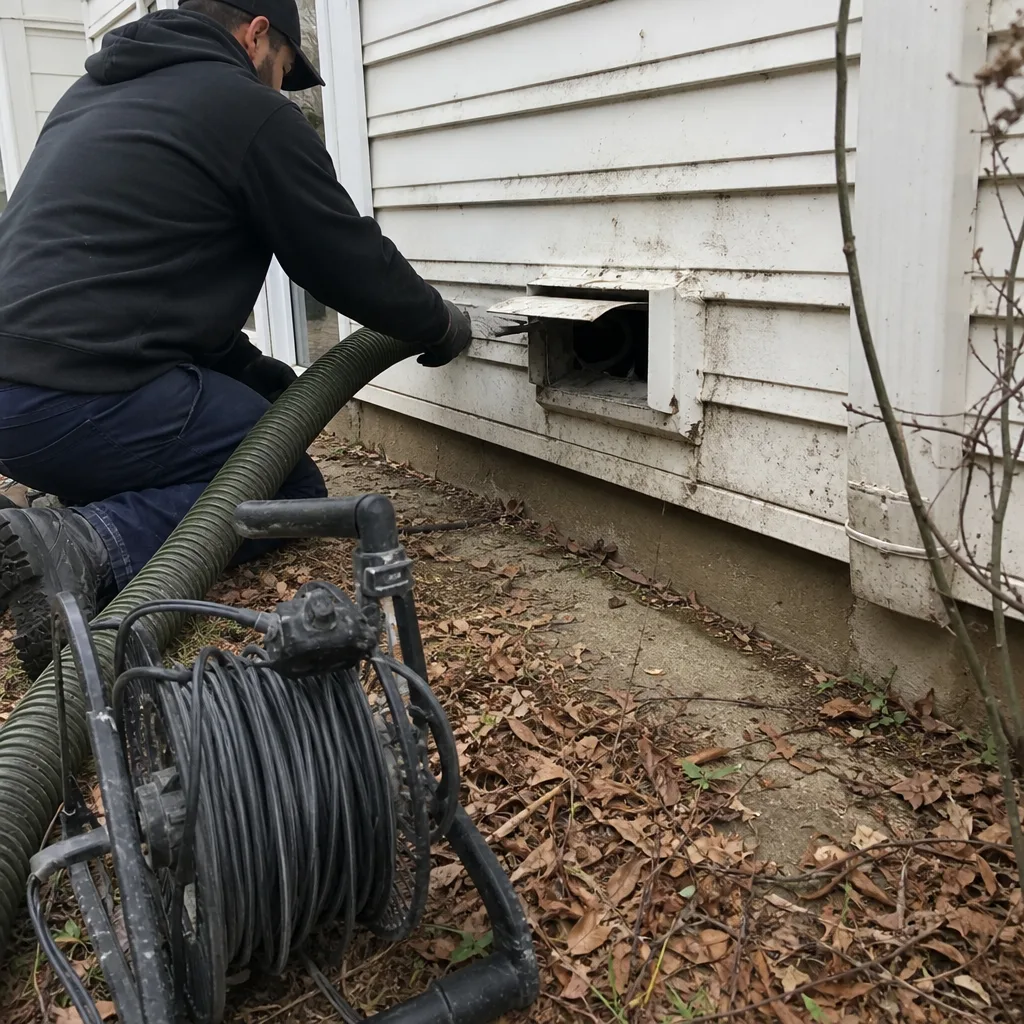 Before
 After
After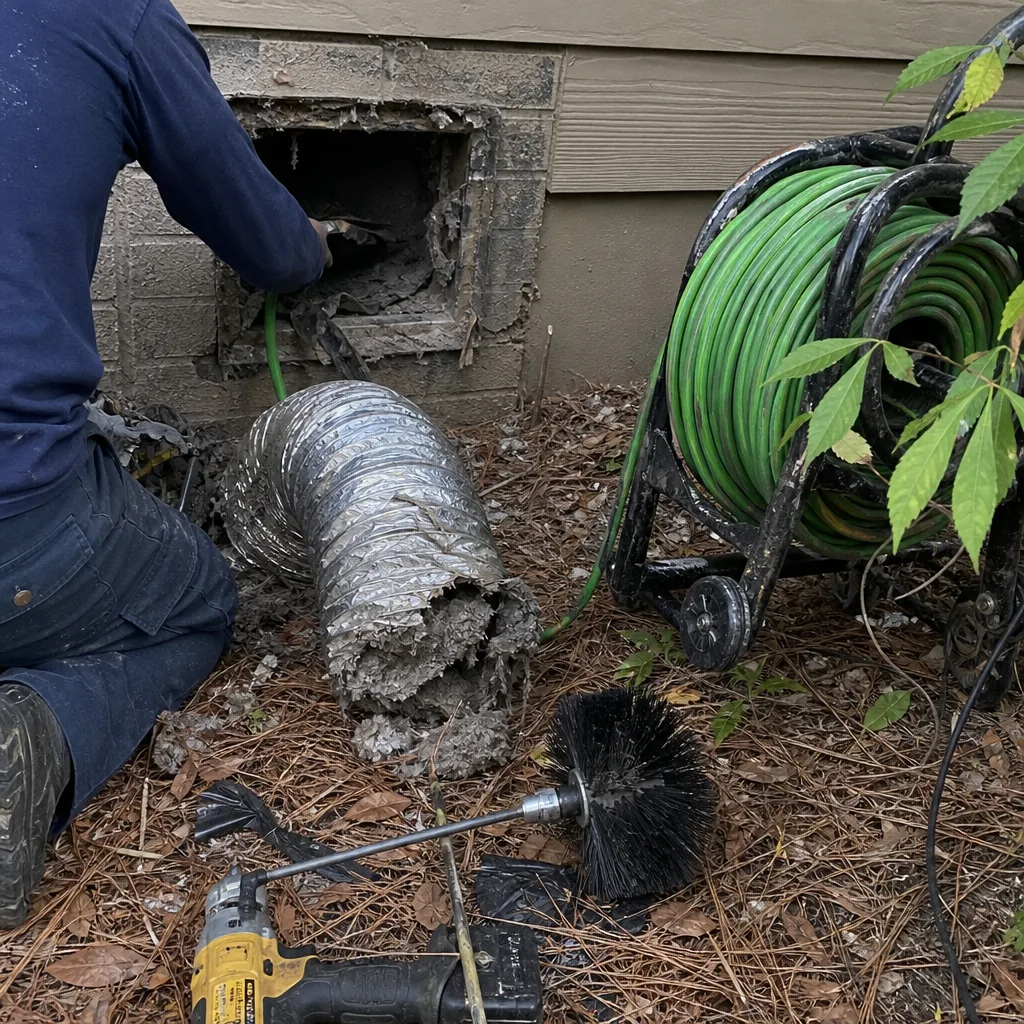 Before
 After
After