
Last updated October 15, 2026
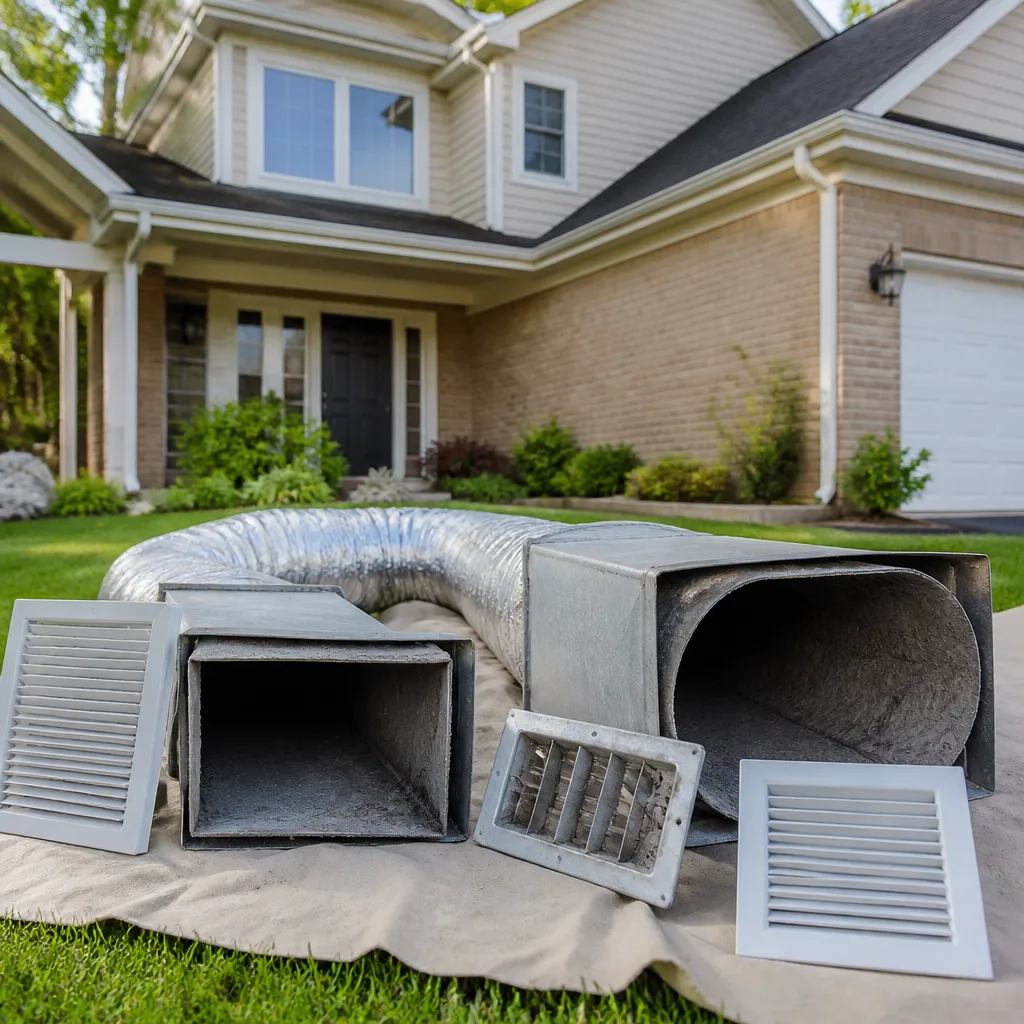 Whole-home duct cleaning
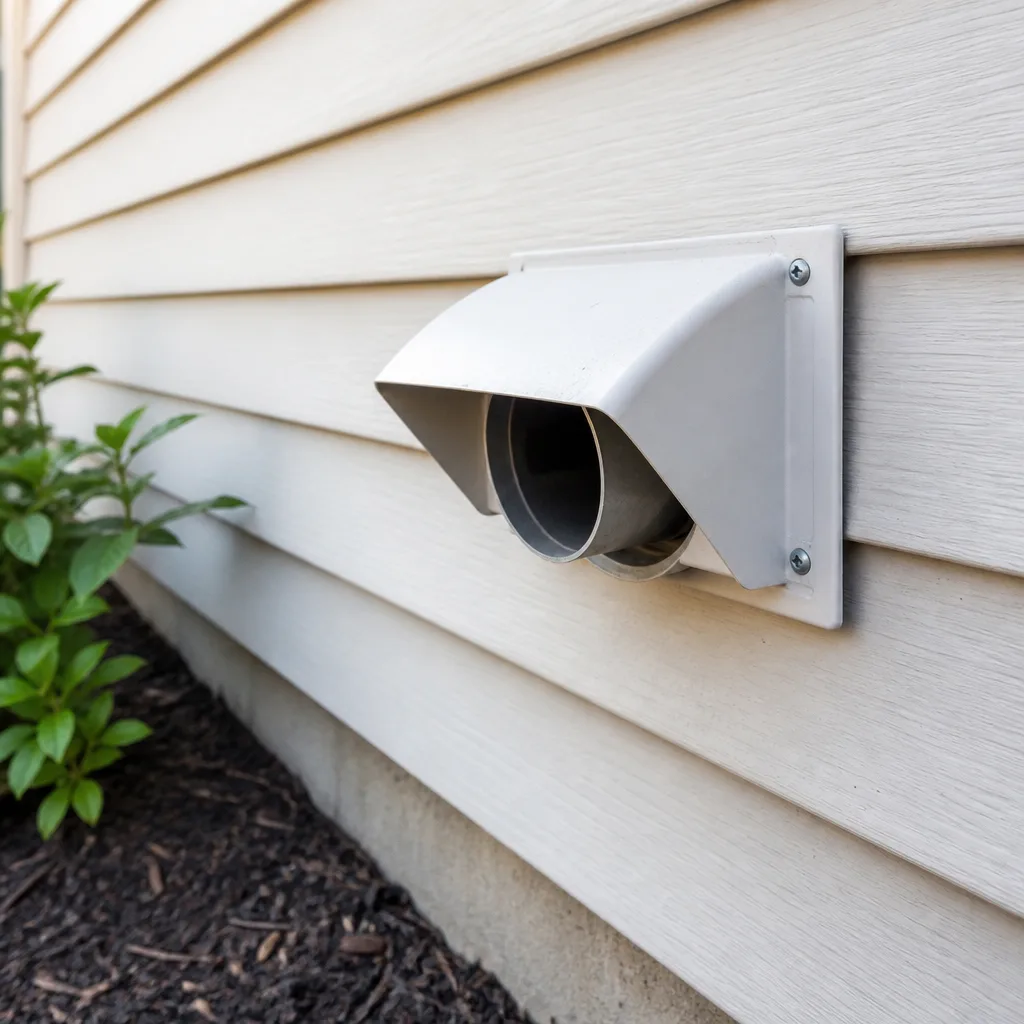 Dryer vent cleaning
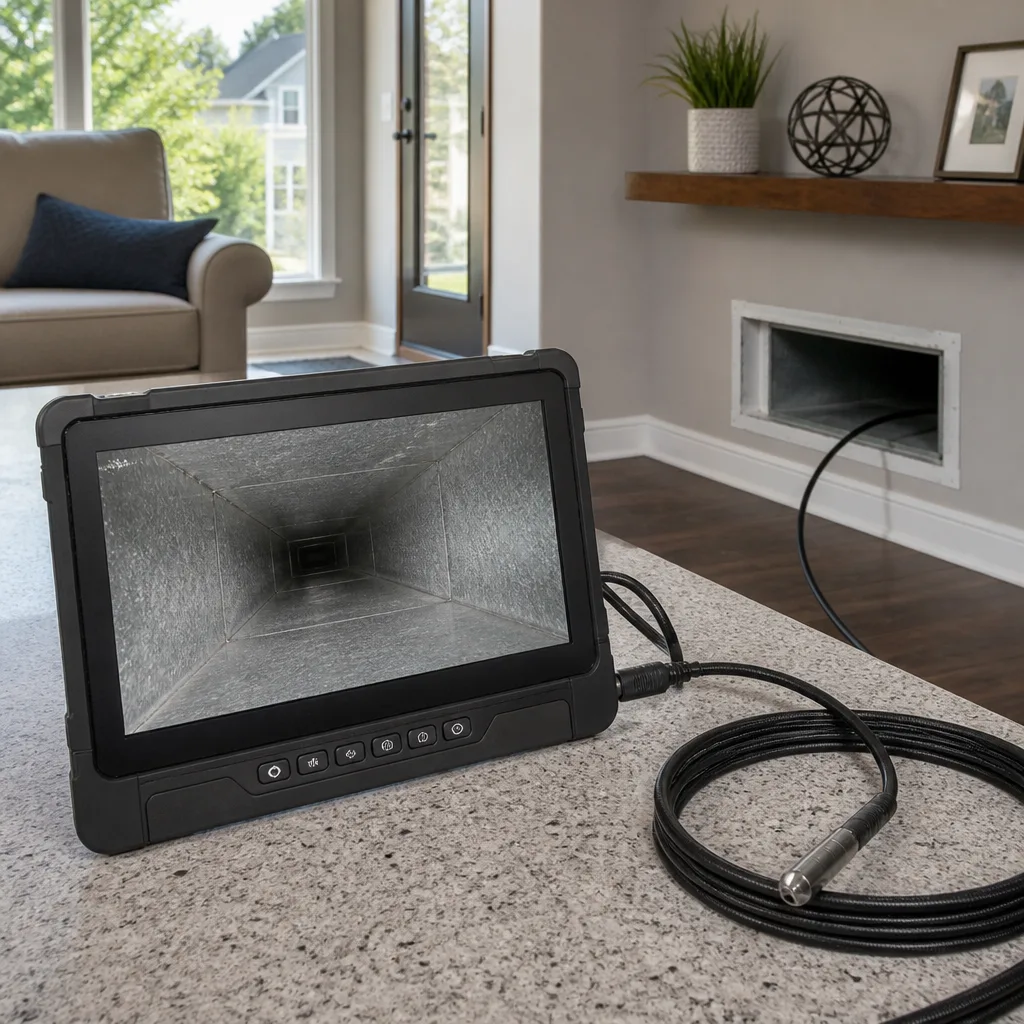 Camera inspection
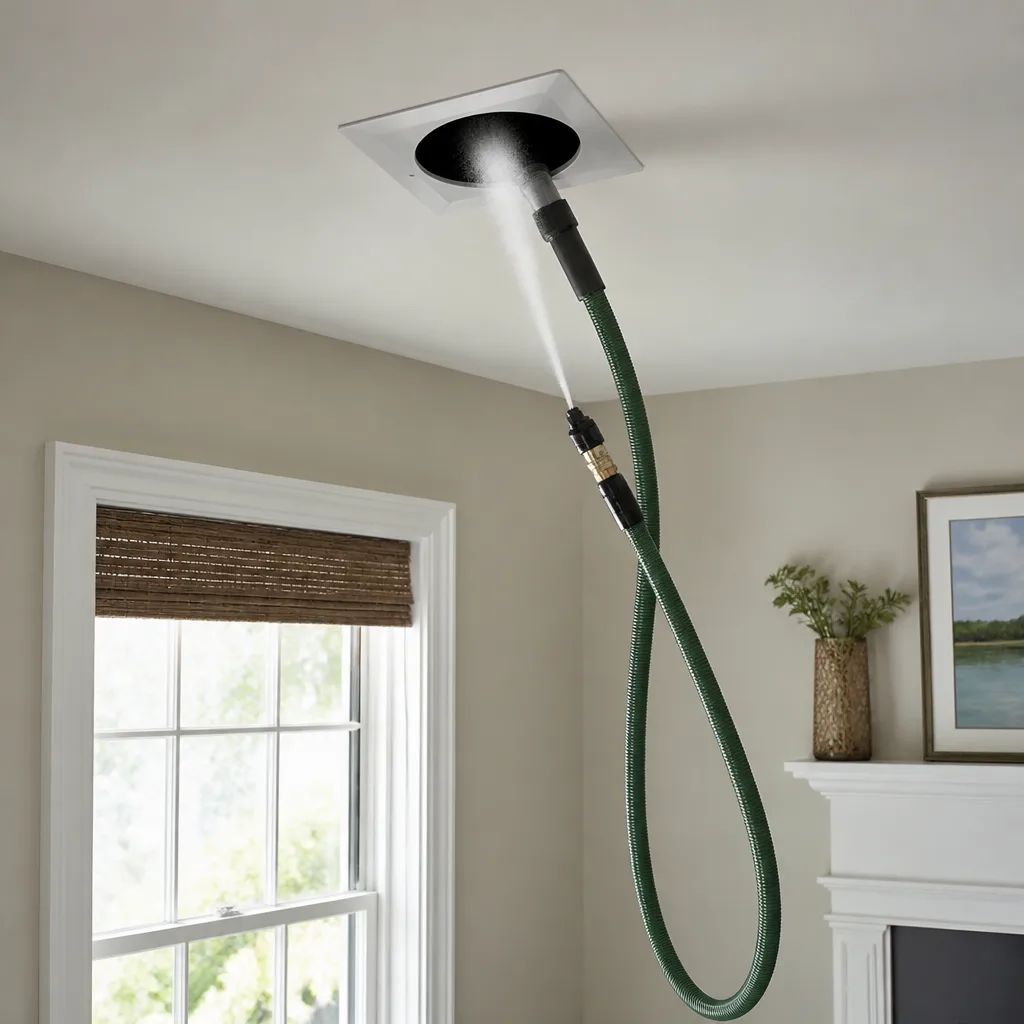 Sanitizing & deodorizing
Whole-system duct and dryer vent check with before-and-after photos - you see exactly what came out of your vents
That "$99 whole-house special" is a bait ad - the real number appears once they are in your hallway, or the "clean" is a shop-vac at the register. We photograph the inside of your ducts before and after instead.
DIY vs Professional Air Duct Cleaning: The Sandy Springs Homeowner’s Decision Guide
Here’s a number most Sandy Springs homeowners never hear: the average household HVAC system circulates roughly 1.2 million cubic feet of air through its ducts every single year. That air carries dust, pet dander, pollen from the Chattahoochee River corridor, and the fine Georgia red clay that finds its way into every threshold and window frame. The question isn’t whether your ducts get dirty. They do. The question is whether a $40 brush kit from the hardware store can actually fix it, or whether you’re about to sweep dust deeper into a system that then recirculates it through every bedroom in your Sandy Springs home. This guide will draw that line honestly, so you know exactly what to do yourself, what to leave alone, and where your money actually does something.
Quick Answer
DIY air duct cleaning can realistically handle visible register surfaces, short accessible duct runs, and the exterior dryer vent, but it cannot reach or clean the main trunk lines, return drops, or deep interior surfaces where most debris settles. For a typical Sandy Springs home, professional cleaning costs $400 – $700 for the full system, while a DIY attempt costs $40 – $120 in supplies plus several hours of your time and leaves the most important parts of the system untouched. If you’re comfortable on a ladder and only need surface-level cleaning, DIY has real value; if the goal is actually cleaning the air you breathe, our Air Duct Cleaning services with truck-mounted or high-powered portable equipment is the only honest path.
Styles & brands we work with
Table of Contents
- What DIY Air Duct Cleaning Can Realistically Accomplish in Sandy Springs
- Where DIY Goes Wrong: The Debris Redistribution Problem
- The Equipment Gap: What a Rotobrush Does That a Shop Vac Can’t
- Cost-Benefit Breakdown for a Typical Sandy Springs Family
- The Honest Middle Path: What to Do Between Professional Visits
- How Often Does Your Sandy Springs Home Actually Need Cleaning?
- Signs Your Ducts Need Attention Right Now
- What a Professional Visit Actually Includes
What DIY Air Duct Cleaning Can Realistically Accomplish in Sandy Springs
Let’s be fair to the $30 brush kit. It’s not worthless. It’s a legitimate tool for specific, visible, reachable jobs. We tell Sandy Springs homeowners this honestly because our relationship with a customer should survive even if they choose to handle the easy parts themselves.
Here’s what DIY can actually do, in order of effectiveness:
- Register and grille cleaning. Remove the floor or ceiling registers, wash them with warm soapy water, and wipe down the visible duct opening. This is genuinely useful, takes ten minutes per register, and improves appearance immediately. Georgia pollen season makes these registers visibly dirty by late spring.
- Short flex duct runs you can see and reach. If you have an exposed flex duct in a basement or an attic crawl space in an older Sandy Springs home, you can disconnect one end and run a dryer vent brush through the length. This works for ducts under ten feet that you can access at both ends.
- The dryer vent exterior. A $30 dryer vent brush kit with drill attachment is a legitimate tool for cleaning the exterior vent flap and the first few feet of the vent pipe. Lint accumulates there and this is a genuine fire-hazard reduction. This is the one task where DIY truly matters.
- The HVAC filter change. Not exactly duct cleaning, but it’s the single most impactful maintenance task a homeowner can do. A fresh high-quality filter every 90 days, or every 60 days with shedding pets, reduces what enters the system in the first place.
- Surface dusting of the return air grille. The big return grille, usually in a hallway ceiling, collects a fur coat of dust. Wiping it down improves the look of the room and keeps loose debris from being pulled deeper when the system kicks on.
Notice a pattern: every one of these tasks is surface-level or short-run and accessible. You can see what you’re cleaning, you can reach it, and you can verify the result. That’s the boundary. The moment you’re guessing what’s happening beyond what you can see, DIY stops being cleaning and starts being a gamble.
Where DIY Goes Wrong: The Debris Redistribution Problem
Here’s the mechanical reality that hardware store pamphlets don’t explain. Your air duct system is not a straight pipe from the furnace to the register. It’s a network of branching lines that narrow as they go: a main trunk line, then branch ducts, then the register boot. When you push a brush down from a register opening, you’re pushing it against the flow of that branch. The debris you dislodge has to go somewhere, and gravity plus air pressure means it mostly goes back toward the main trunk line.
This is the HVAC equivalent of cleaning your kitchen by sweeping dust under the refrigerator. The floor near your feet looks better. The problem moved, it didn’t leave.
In Sandy Springs specifically, we see two recurring versions of this problem:
- Older homes in neighborhoods like Dunwoody and North Springs built in the 1970s and 1980s have duct systems with metal trunk lines and flex branch runs. The flex duct interior liner frays with age, and aggressive DIY brushing can catch and tear the liner, creating loose material that then recirculates through the system.
- Newer construction in Sandy Springs and along the Roswell Road corridor has tighter, more energy-efficient duct runs, but the trunks are often partially hidden behind finished walls. A DIY brush can’t navigate the turns and that means most of the trunk never gets touched at all.
There’s also the insulation disruption issue. Many duct runs in attics and crawl spaces of Sandy Springs homes are wrapped in fiberglass insulation sleeve. If you disconnect a duct to brush it and don’t reseal and re-wrap the insulation properly, you’ve created a small gap that leaks conditioned air into your attic. That’s a measurable energy penalty that shows up on your Georgia Power bill in July and August.
The takeaway: DIY register cleaning is genuinely useful. DIY trunk line cleaning is a genuine risk. The system is more complex than it looks, and the places you can’t see are exactly where problems begin.
The Equipment Gap: What a Rotobrush Does That a Shop Vac Can’t
It helps to understand the mechanics. A typical homeowner has tools that can reach about four feet down a straight duct and remove dust from surfaces they can physically touch. A professional air duct cleaning system, on the other hand, works on a completely different principle.
Take the Rotobrush system. It’s not just a brush on a stick. It’s a rotating brush head attached to a high-suction vacuum system, designed to simultaneously agitate and extract. The brush head spins and scrubs the interior walls of the duct while the vacuum pulls the dislodged debris back out through the hose, not further into the system. The debris goes into a containment unit, not into your living room and not back into the trunk line.
Nikro equipment works similarly, with high-powered negative air machines that create continuous suction throughout the cleaning process, pulling air and debris out of the system as it’s being cleaned. This is the critical difference: professional equipment removes debris from the system, while consumer tools redistribute it within the system.
There’s also the matter of reach. A professional duct cleaning system can access the main trunk line through entry points cut specifically for that purpose, reaching the full length of the system including return drops, plenums, and branch runs. Your shop vac hose is eight feet long and bends poorly around duct elbows. The tools simply don’t have the same capability, and no amount of homeowner effort changes the physics.
One more honest point about equipment: we use professional-grade filters and containment on our equipment because the point is to remove dust from your home, not atomize it into the air. A homeowner’s shop vac without a fine-particle filter can actually blow fine dust through the vacuum exhaust and make the indoor air quality worse. Commercial machines, including those from Rotobrush, Nikro, and Honeywell, are built with multi-stage filtration specifically to trap what they collect.
Cost-Benefit Breakdown for a Typical Sandy Springs Family
Let’s put real numbers on this. Here’s what a homeowner in Sandy Springs faces when deciding between a DIY attempt and a professional visit.
The DIY route:
- Dryer vent brush kit: $25 – $40
- Long flexible duct brush: $35 – $50
- Basic shop vac (if you don’t already own one): $60 – $120
- Vent covers and screwdrivers, miscellaneous: $15 – $25
- Total upfront: $135 – $235
- Time: 4 – 6 hours for a thorough register and short-run cleaning
- Result: visibly cleaner registers, a cleared dryer vent, and untouched main trunk lines
- Residual risk: possible duct liner damage, possible insulation gaps, possible debris pushed deeper
The professional route for a typical Sandy Springs home:
- Full system cleaning, including trunk lines, return drops, and branch runs: $400 – $700
- Time: 3 – 5 hours on site
- Result: the entire airflow path cleaned, verified with before-and-after photos
- Written price before work begins, so the invoice matches the quote
- No residual risk because the equipment extracts rather than redistributes
The honest math is this: if your goal is appearance only, DIY wins on price. If your goal is actual air quality improvement, DIY doesn’t accomplish it. You’re saving $400 and still breathing the same dust.
One more angle Sandy Springs families should consider: a professional visit includes the written price guarantee. You know what it costs before the work starts. The risk of a DIY attempt isn’t just the $200 in supplies. It’s the possibility of damaging a duct system that then costs more than the professional cleaning would have in the first place.
The Honest Middle Path: What to Do Between Professional Visits
Here’s a framework we actually recommend to homeowners in Sandy Springs. You don’t have to choose between doing everything yourself and doing nothing. The smart approach is to handle the easy, visible, safe maintenance yourself, and bring in professionals for the parts you can’t reach or verify. For How to Hire a Air Duct Cleaning Contractor in Sandy Springs: A Step-by-Step Guide, see our detailed breakdown.
- Do this every season change: change the HVAC filter, wipe down registers with a damp cloth, vacuum the return grille, and check the dryer vent exterior for lint buildup. These are five-minute tasks that genuinely help.
- Do this annually: clean the dryer vent full length with a brush kit, if the vent run is short and accessible. If it’s a long run with multiple bends, or if the dryer is on an interior wall, call someone. Clogged dryer vents are a fire risk and worth taking seriously.
- Leave this to a professional: anything involving the main trunk lines, return drops, plenums, or ducts you can’t see and reach. Also any duct work in tight attic spaces or crawl spaces where working conditions are hazardous. Attics in Sandy Springs can hit 140 degrees in summer, and that’s not a safe DIY environment.
- Between professional visits, expect to have full duct cleaning done every 3 – 5 years, depending on pets, allergies, and whether you had recent construction or renovation. Renovation dust is a whole different animal and needs a professional cleaning.
This middle path is honest and grounded. You’re not being upsold. You’re doing the things you can genuinely do, and you’re paying for the things you genuinely can’t.
And if you do decide to call in a professional, ask about the things that matter to families in Sandy Springs: will the technician use shoe covers and drop cloths inside the house? Will you get the price in writing before work starts? Will you get photos showing the work is actually done? Those are fair questions, and Mortons Air Duct Sandy Springs home happens to answer all of them with a yes, every time.
How Often Does Your Sandy Springs Home Actually Need Cleaning?
The standard industry answer is every 3 – 5 years, but that’s a national average that doesn’t account for your specific circumstances. In Sandy Springs, we see meaningful local variation.
You should lean toward the shorter end of that range if:
- You have two or more shedding pets. Sandy Springs has a high concentration of pet-owning families, and pet dander plus hair compresses into duct surfaces faster than dust alone.
- Anyone in the home has asthma or significant seasonal allergies. Georgia’s pollen season runs from February through October in waves, and your duct system functions as a pollen reservoir.
- You’ve had recent renovation or remodeling. Drywall dust is fine enough to hang in the air for months and porous enough to embed itself in duct liners.
- Your home is older and has never had duct cleaning, or the previous cleaning was more than seven years ago.
You can lean toward the longer end if you have no pets, no one in the home has respiratory issues, you run a high-quality filter and change it religiously, and your home is relatively new construction.
The real answer for a typical Sandy Springs family with kids and a dog is every 3 – 4 years, with annual DIY maintenance in between. For a complete schedule, see our Seasonal Air Duct Cleaning Care for Sandy Springs: Year-Round Homeowner’s Guide. That rhythm keeps the system working well without overpaying for cleanings you don’t need.
Signs Your Ducts Need Attention Right Now
You don’t need to guess. Here are the specific signals we tell Sandy Springs homeowners to watch for.
- Dust returns within days of cleaning. If you dust your living room and it’s visibly dusty again in two days, the ducts are likely recirculating particles throughout the home.
- You can see dust clinging to the register grilles. This is the visible tip of the iceberg. If the grille is coated, the duct behind it is worse.
- Uneven airflow between rooms. If one bedroom is always stuffy while another blasts cold air, the duct run to that room may be partially obstructed.
- Musty odor when the system kicks on. That smell is usually microbial growth in a damp duct or a dead pest. Neither resolves itself.
- Allergy symptoms spike indoors. If you feel better when you leave the house and worse when you’re home, the indoor air is the likely culprit.
- Visible mold growth inside ductwork. This one requires professional attention, and you should also address the moisture source.
None of these signals are emergencies. They’re all fixable. But they’re also all signs the DIY approach has hit its limit and you need equipment that can actually reach and remove what’s in the system.
What a Professional Visit Actually Includes
You should know what you’re paying for. A professional duct cleaning visit for a typical Sandy Springs home should include, at minimum:
- A walkthrough and written quote before any work starts. You should know the exact price and the exact scope before anyone touches anything. No surprises on the invoice.
- Floor and furniture protection. Shoe covers and drop cloths on every visit, no exceptions. Your floors should look the same when the crew leaves as they did when the crew arrived.
- Full system cleaning, not just registers. The trunk lines, branch runs, return drops, plenums, and the equipment cabinet itself should all be included.
- Before and after photos. You should see visual proof that the work was done and the system is cleaner than it was.
- A clear explanation of what was found and what was done. A technician should be able to tell you what came out of your ducts and whether they saw anything that needs follow-up attention.
We’ve structured our own service this way at Morton’s because it’s what we’d want as homeowners. The equipment is professional grade, from brands like Rotobrush, Nikro, and Guardsman for dryer vent applications, but the equipment is only half the story. The other half is the process: the written price, the protected floors, the photos at the end, the technician who explains what was done. That’s what turns a service call into something you don’t dread.
Common Mistakes to Avoid
- Assuming a clean-looking register means a clean system. The visible grille tells you almost nothing about the condition of the trunk line behind it. The register can be spotless while the duct behind it holds years of accumulated debris.
- Using a shop vac without a HEPA filter. A standard shop vac exhausts fine particles back into the room, which means you’re dusting the house with what you just vacuumed. If you do any DIY cleaning, use a vac with fine-particle filtration.
- Disconnecting ducts without resealing them. Every DIY duct disconnection creates a potential leak point unless you properly reseal and rewrap. Duct leaks in attic spaces waste conditioned air and raise your cooling costs in Sandy Springs summers.
- Brushing flex duct aggressively. The inner liner of flex duct is fragile. Aggressive brushing can tear it, and then you’ve created a source of loose fibers in your own system.
- Trying to clean ducts through the register only. The register opening gives you access to maybe 5% of the system. The other 95% remains untouched no matter how long you brush.
- Using chemical foggers or sanitizers without understanding the products. Many consumer duct sanitizing sprays leave residue that attracts more dust, or introduce scents that mask problems rather than addressing them.
See the difference
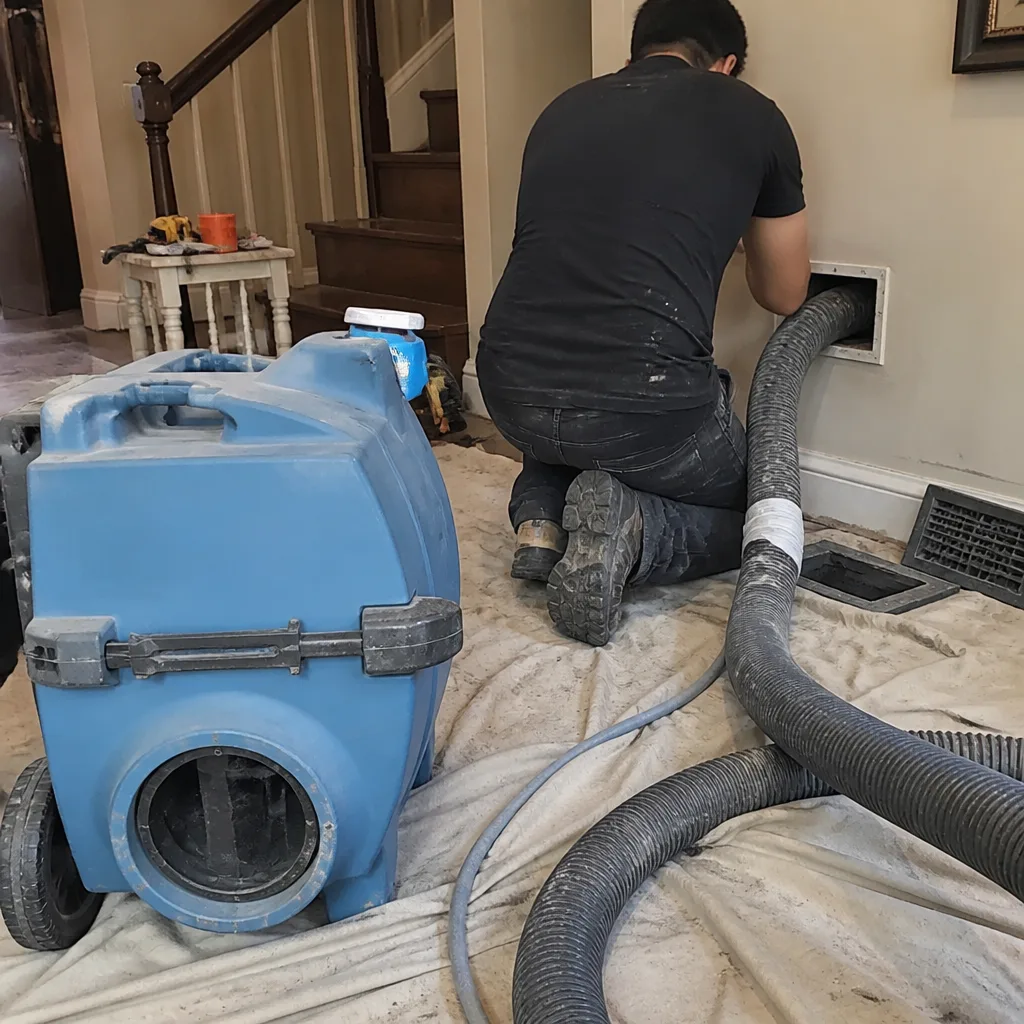 Before
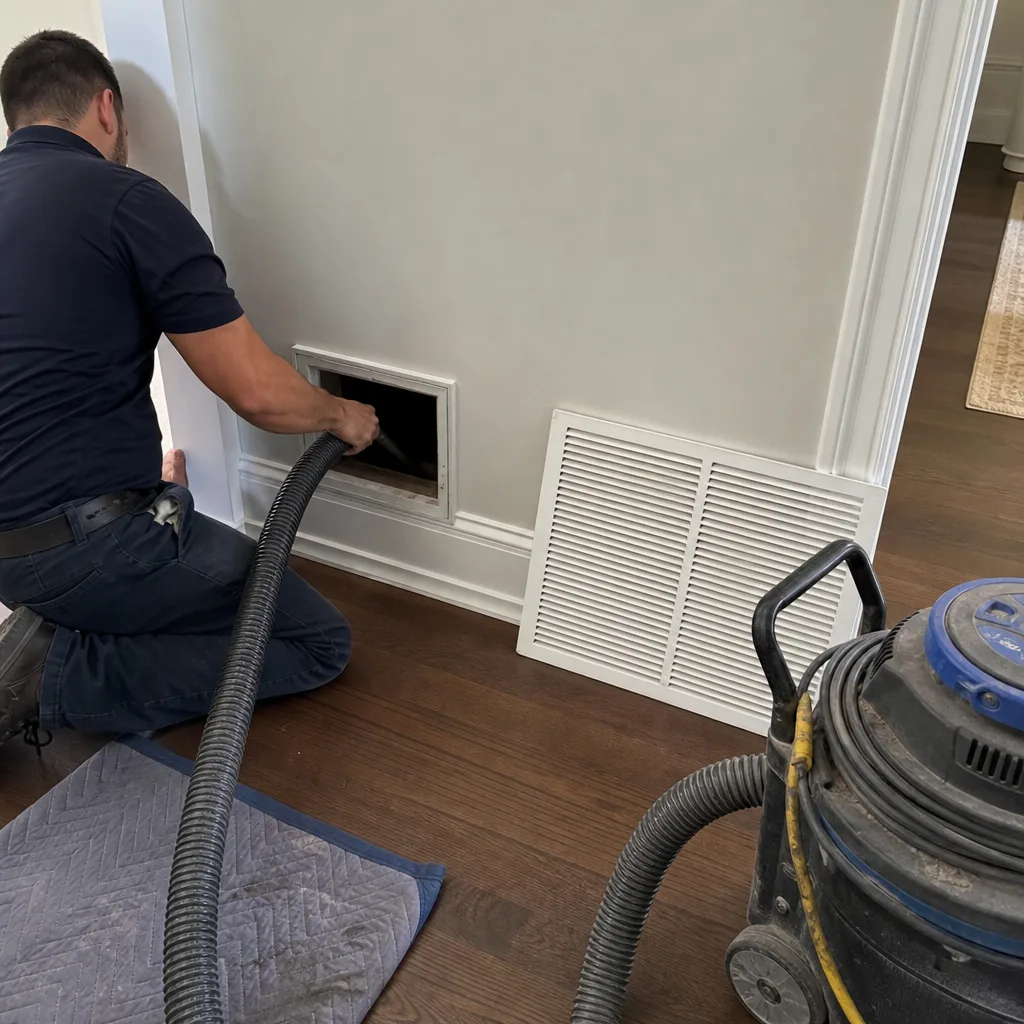 After
After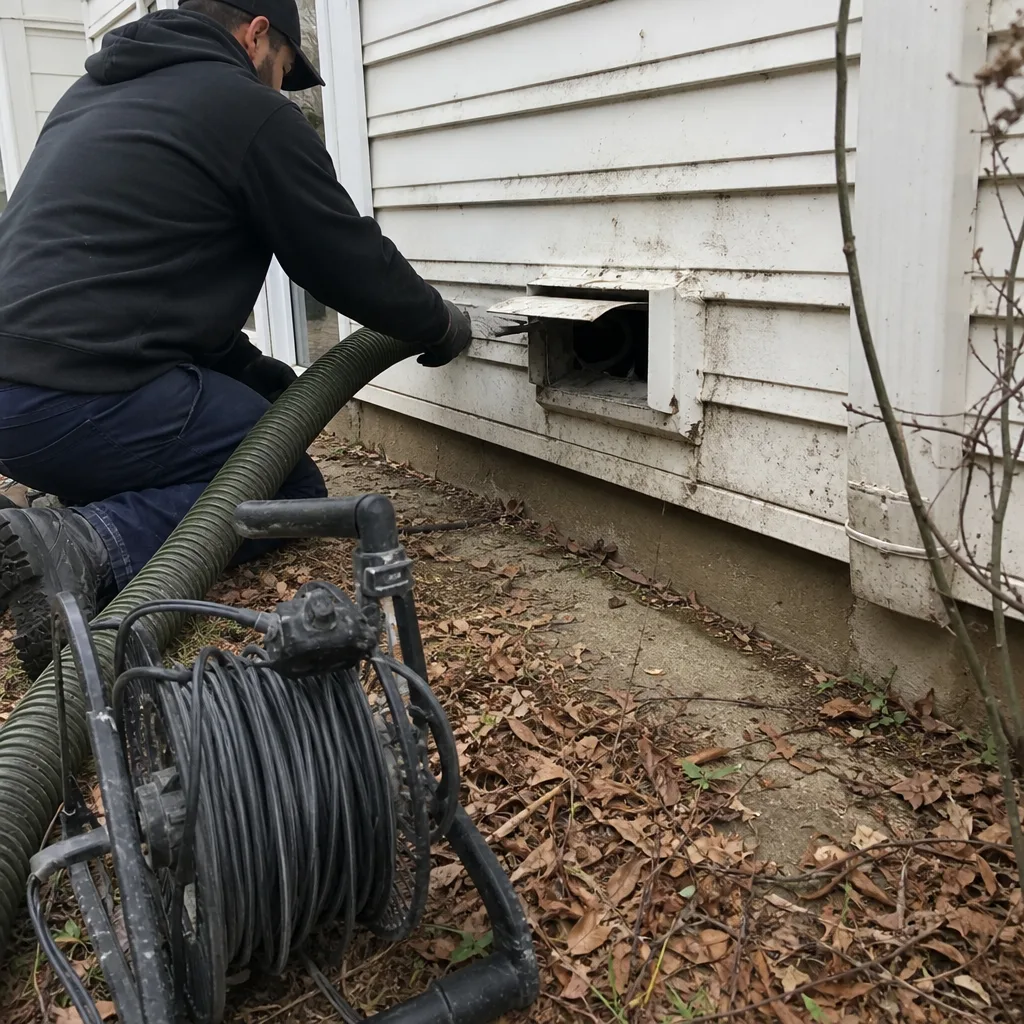 Before
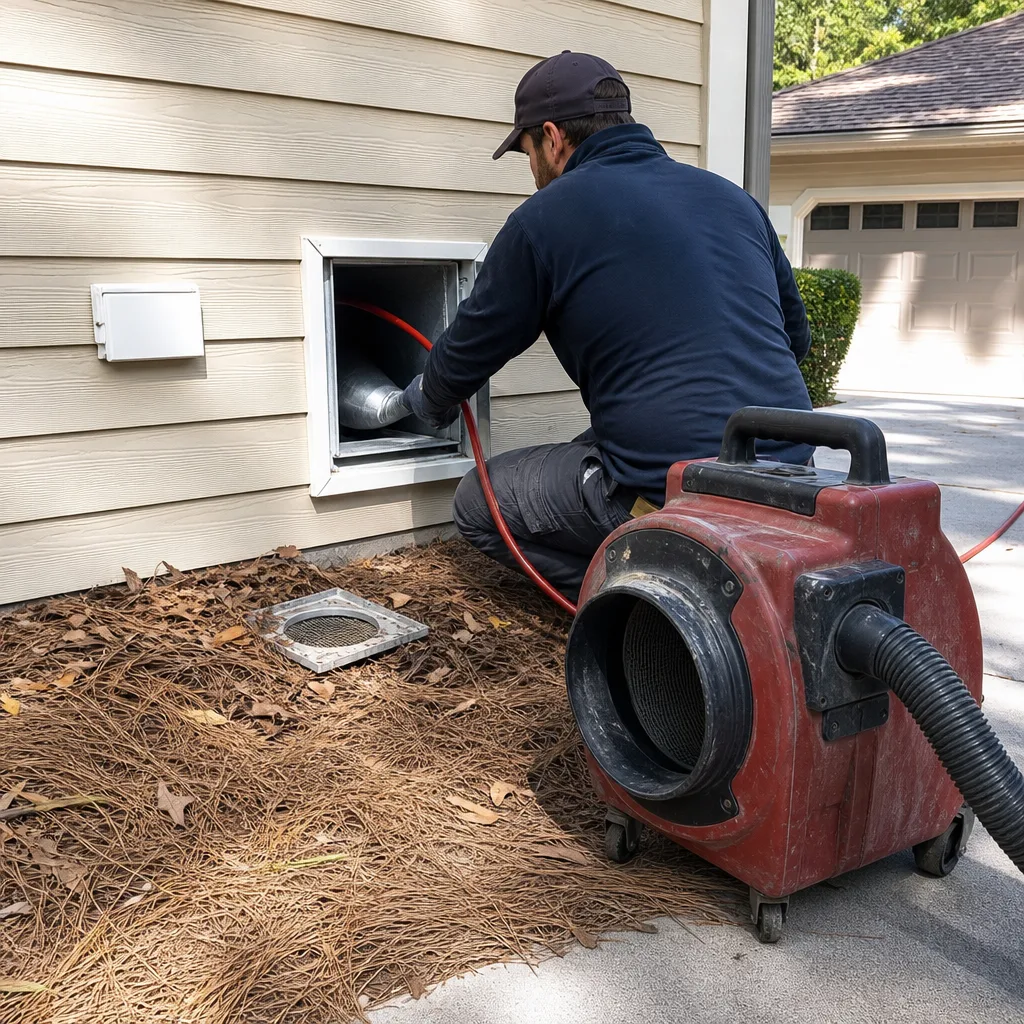 After
After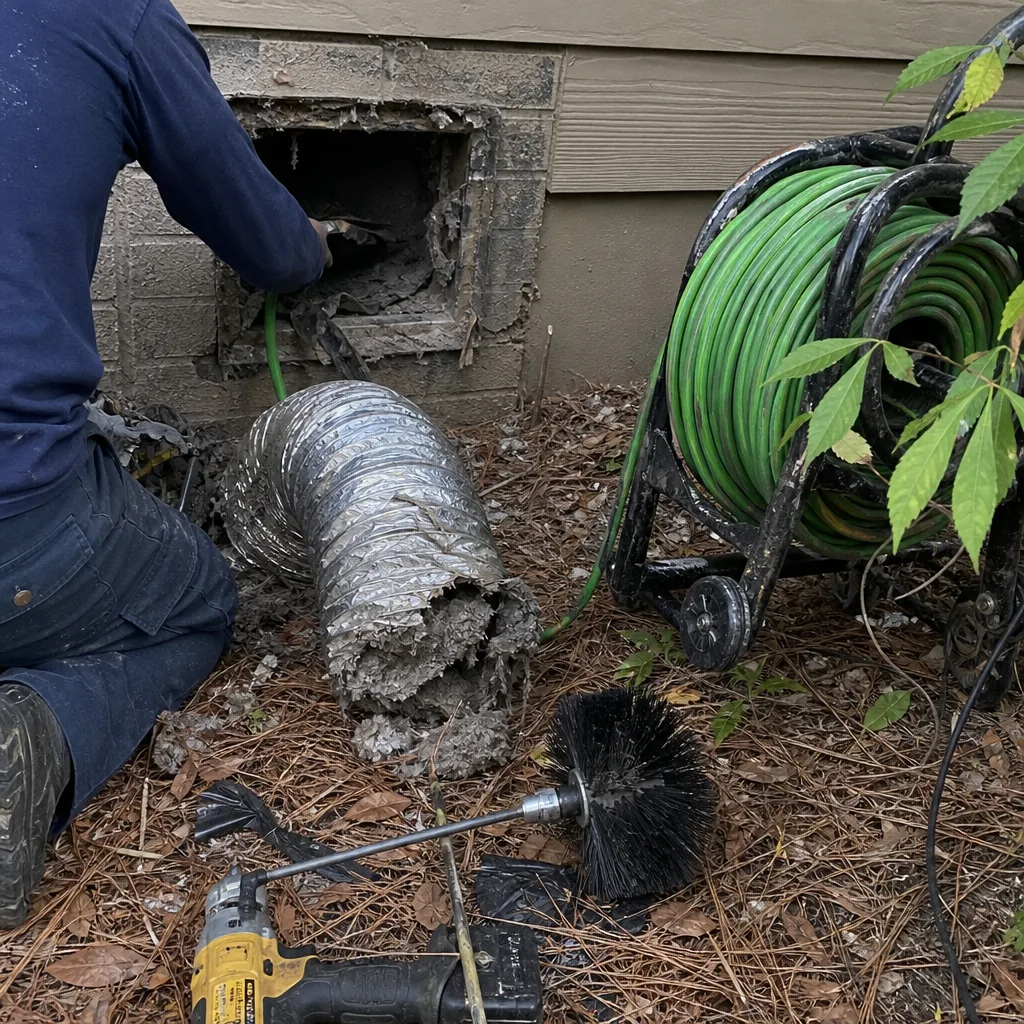 Before
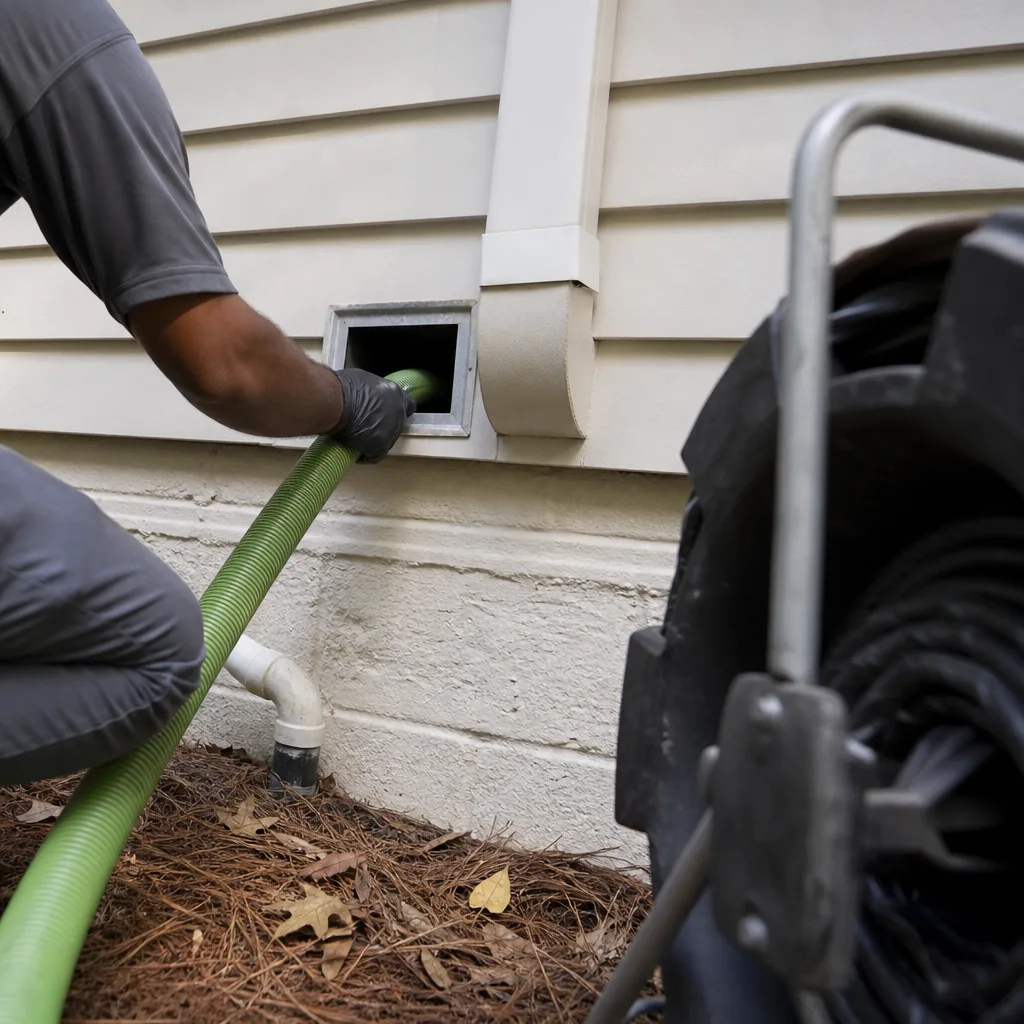 After
AfterWhen to Call a Professional
Call a professional when you need the actual system cleaned, not just the visible surfaces. That means when you see dust returning within days, when you smell mustiness from the vents, when allergy symptoms worsen indoors, or when you’ve completed a renovation that produced drywall dust. Also call a professional for dryer vent cleaning when the vent run is long, has multiple bends, or is on an interior wall you can’t access. Mortons Air Duct Sandy Springs offers free estimates in Sandy Springs, and every quote is a written price before any work starts. Call (229) 495-2691.
Frequently Asked Questions
For a typical Sandy Springs home, full system air duct cleaning costs roughly $400 to $700, depending on the size of the home and the number of duct runs. That range covers the trunk lines, branch runs, return drops, and equipment cabinet, and it should include a written price before work starts. Call (229) 495-2691 for a quote specific to your home.
You can clean the visible register surfaces and short, accessible duct runs yourself, but the main trunk lines and branch ducts will remain untouched. A shop vac and brush can’t reach most of the system, and the agitation can push debris deeper into the trunk lines where the furnace fan recirculates it through your living spaces.
Most Sandy Springs homes benefit from professional cleaning every 3 to 5 years, with the shorter interval applying to families with multiple pets, allergy sufferers, recent renovations, or homes near the Chattahoochee River corridor where humidity and pollen levels are higher.
Professional air duct cleaning is worth the cost if the goal is actual air quality improvement rather than just visual improvement of the registers. The equipment extracts debris from the full system rather than redistributing it, and a written price guarantee means the cost is known before the work starts. If the goal is only appearance, DIY register cleaning provides meaningful value for less money.
A DIY dryer vent brush kit can clear short, straight vent runs that you can reach from the exterior. Professional dryer vent cleaning in Sandy Springs handles longer runs with bends, interior-wall vents, and the full length of the vent pipe, using equipment designed to extract rather than push lint. Lint is a fire hazard, and a partially cleared vent still poses risk. Call (229) 495-2691 to have the vent checked.
A properly done duct cleaning includes before and after photos, a full walkthrough of the system, and a technician who can tell you what was found and what was removed. If a company can’t or won’t provide photos, that’s a red flag. At Morton’s, a photo of the clean-up is included in every visit.
The Bottom Line
DIY air duct cleaning in Sandy Springs is a legitimate tool for visible, reachable surfaces: registers, grilles, short accessible duct runs, and the exterior dryer vent. A $40 brush kit and an afternoon of work will make those surfaces cleaner. But the main trunk lines and branch ducts, where the majority of debris accumulates and where it actually affects the air you breathe, require equipment and access that no consumer tool provides. The honest approach is to do the visible tasks yourself, do them regularly, and call a professional every 3 to 5 years for the full system. For more guides & resources on maintaining your home’s air quality, explore our blog. The goal isn’t to spend money you don’t need to spend. It’s to spend money where it actually changes something.
If you want an honest assessment of your specific system, call Mortons Air Duct Sandy Springs at (229) 495-2691. We’ll give you a written price before any work begins, protect your floors while we’re there, and show you photos of the result before we leave. No pressure, no surprises, just a system that actually works.
Written by Paul Adeyemi, Owner at Mortons Air Duct Sandy Springs, serving Sandy Springs since 2005.