
Last updated October 15, 2026
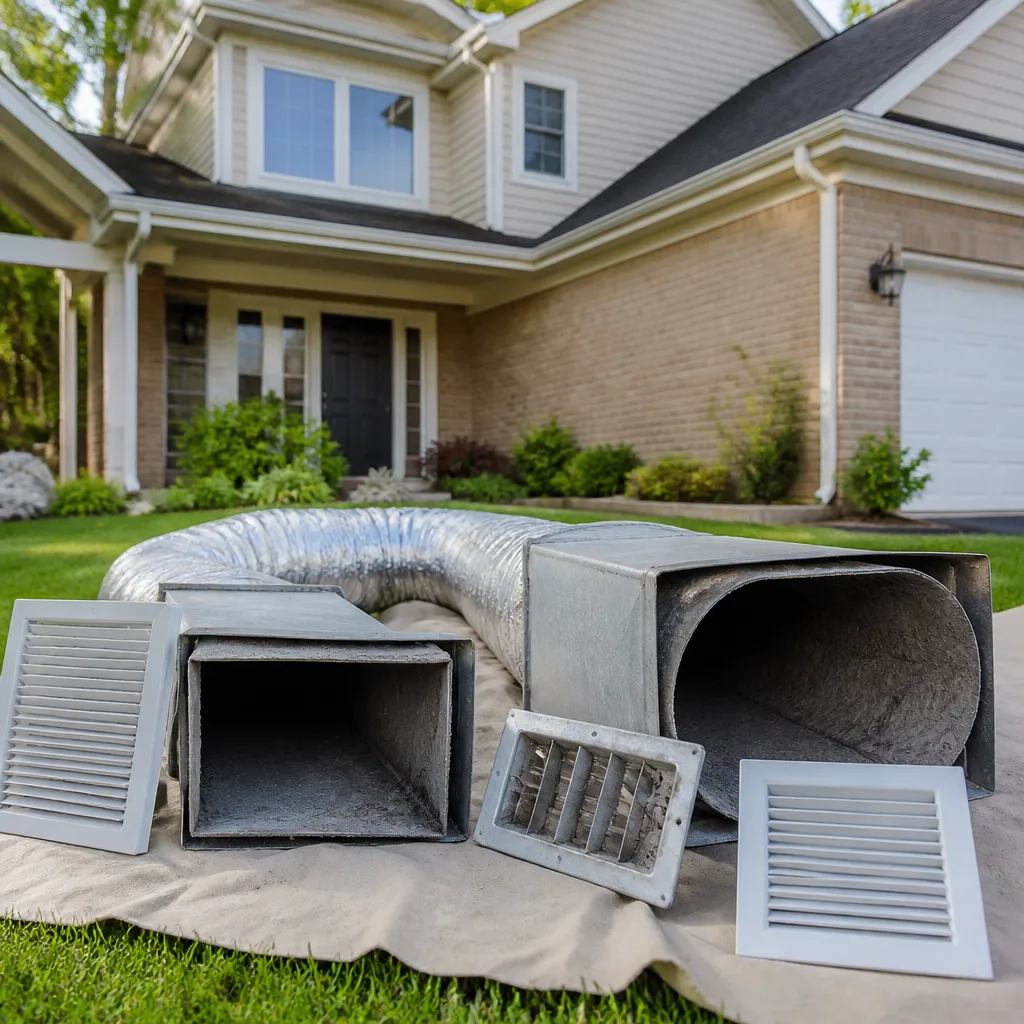 Whole-home duct cleaning
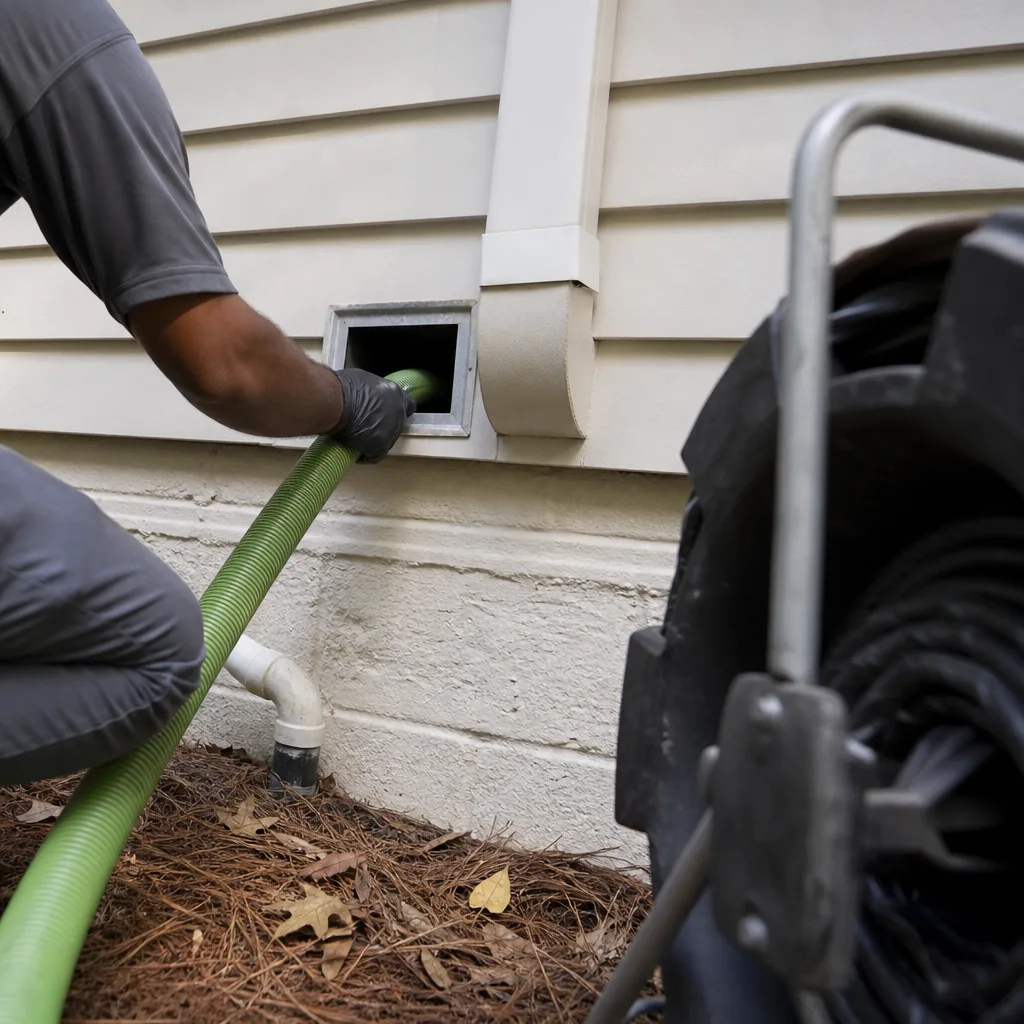
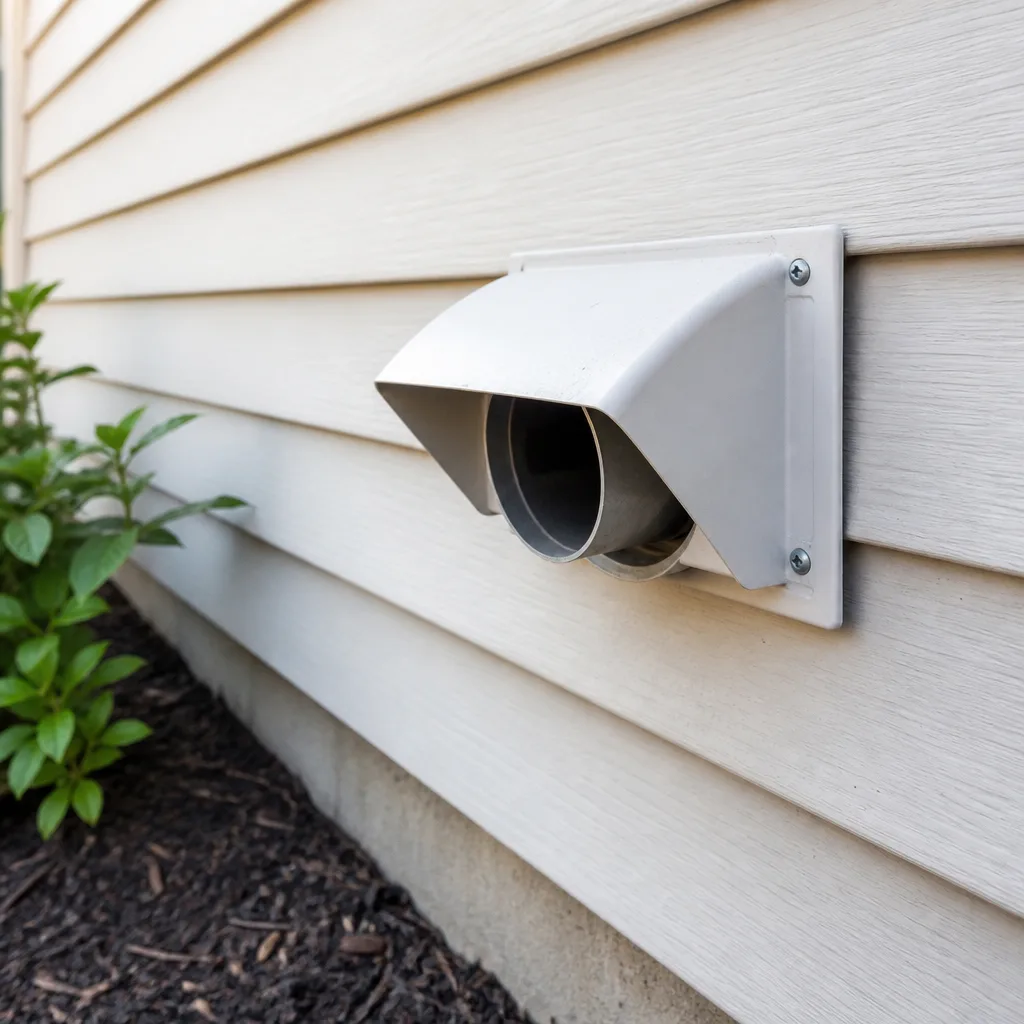 Dryer vent cleaning
 Camera inspection
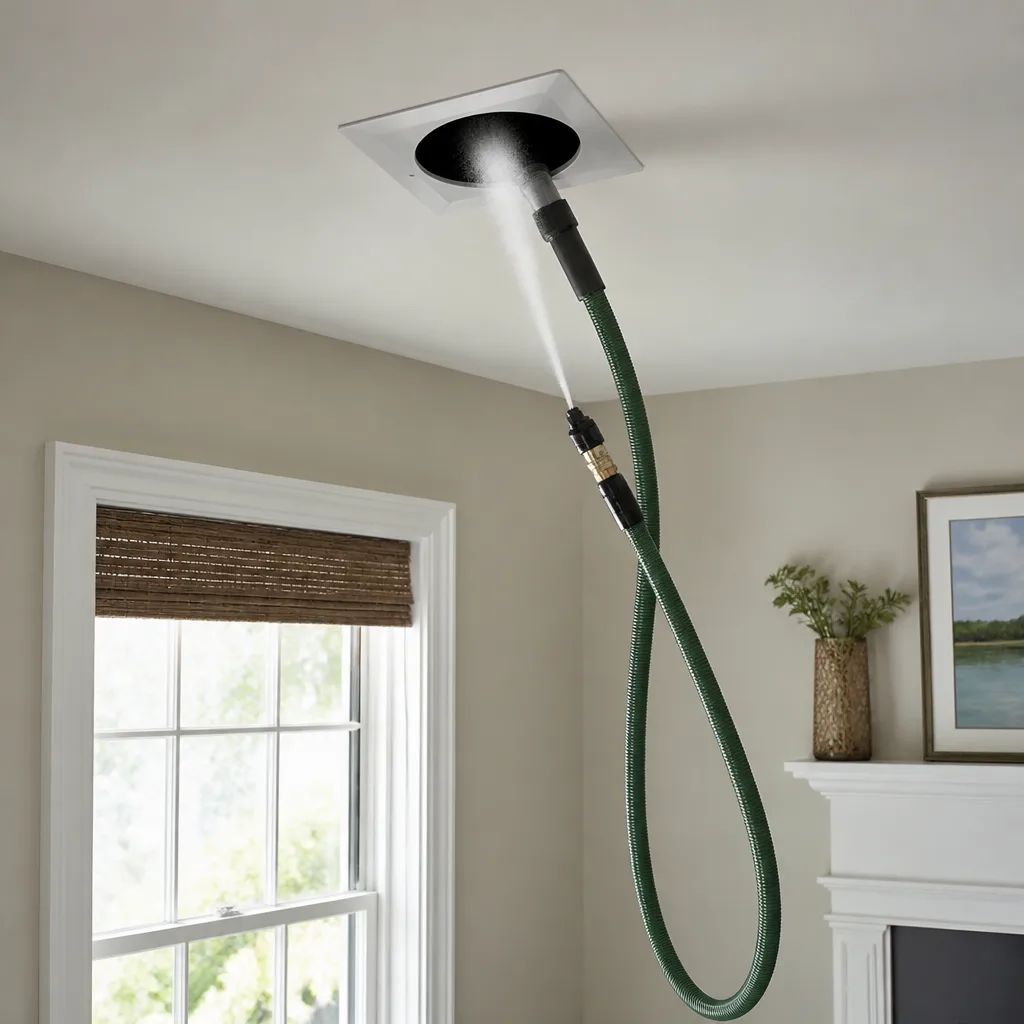 Sanitizing & deodorizing
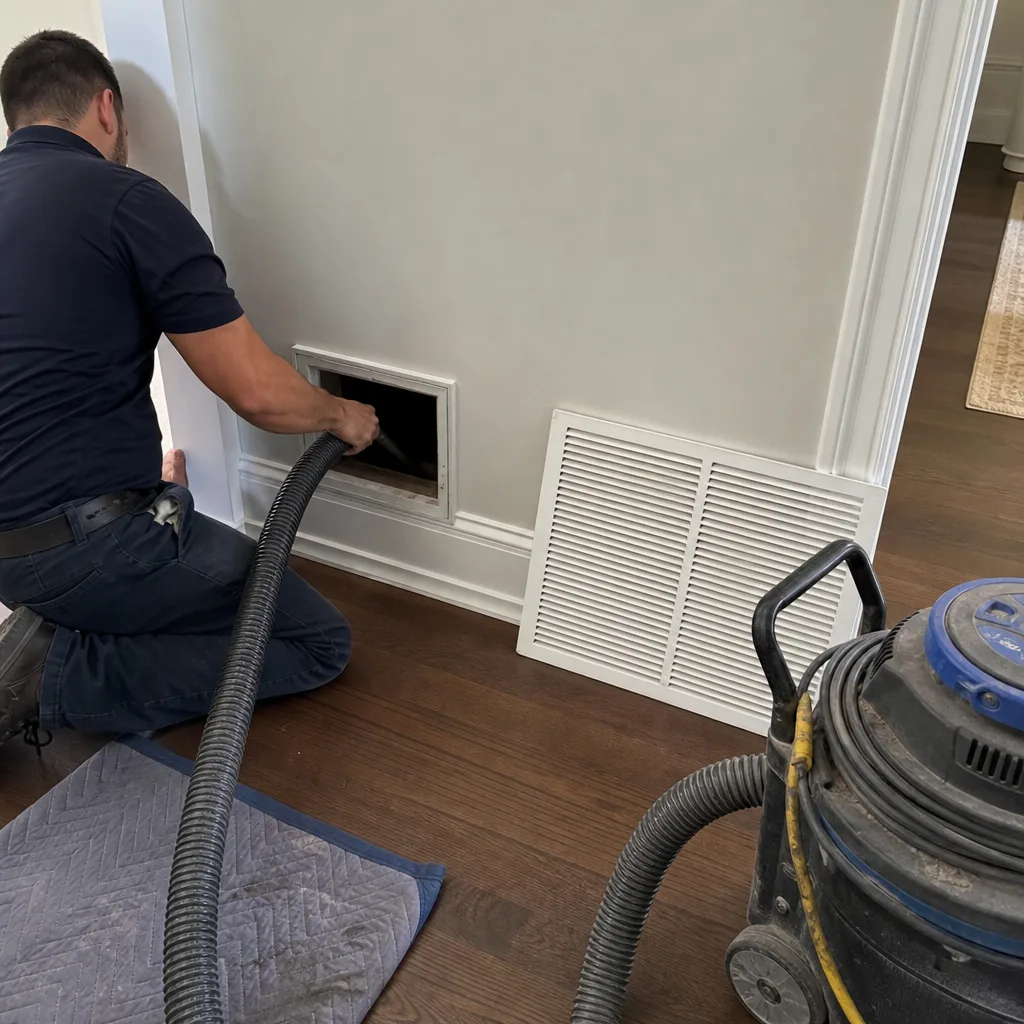
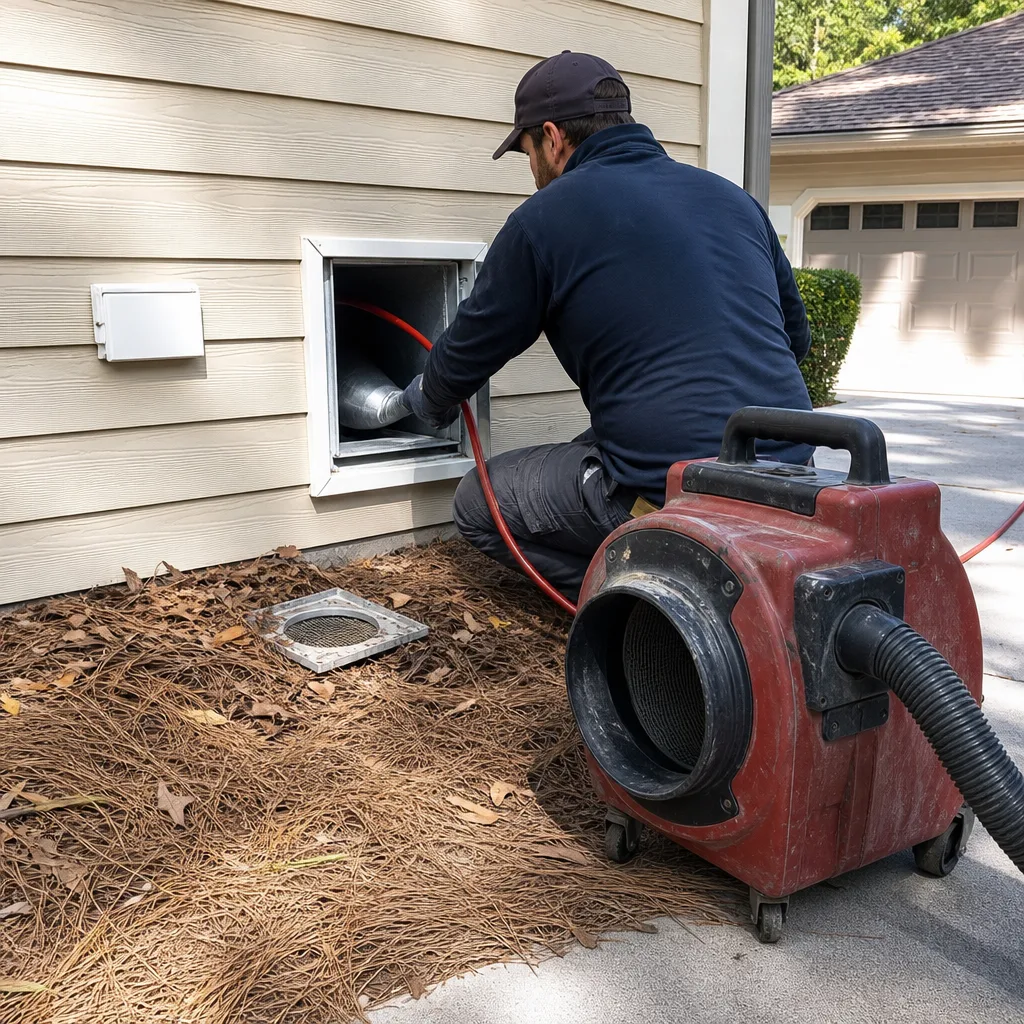
Whole-system duct and dryer vent check with before-and-after photos - you see exactly what came out of your vents
That "$99 whole-house special" is a bait ad - the real number appears once they are in your hallway, or the "clean" is a shop-vac at the register. We photograph the inside of your ducts before and after instead.
Air Duct Cleaning Warning Signs: A Sandy Springs Homeowner’s Reference Guide
The most commonly missed warning sign in Sandy Springs homes isn’t visible dust. It’s uneven room temperatures that homeowners have blamed on their thermostats for years while the real cause sat inside a partially blocked duct run. This guide walks through the quiet, easy-to-dismiss signals that your air ducts are asking for help, specifically in the context of Sandy Springs’ humid climate, mature tree canopy, and the particular ways our HVAC systems work harder here. By the end, you’ll know which signs matter, which ones don’t, when to call, and when to simply schedule a cleaning next spring.
Styles & brands we work with
Quick Answer
Common air duct cleaning warning signs in Sandy Springs include a musty odor that lingers only in specific rooms, dust rings that reappear around vents within 3 to 5 days of wiping, more than 3°F temperature difference between rooms on the same floor, return vents that look gray or furry with pet hair, and a fine gray dust on furniture that returns within two days of dusting. If you notice two or more of these signs together, a professional air duct inspection in Sandy Springs typically costs nothing and takes under an hour.
Table of Contents
- How to Tell “Dusty House” from Duct-Origin Dust
- Smell Mapping: Where That Musty Odor Is Really Coming From
- What Pet Households Should Watch For
- The 3°F Rule: Temperature Variance That Signals Duct Blockage
- Odd Noises and Weak Airflow You Don’t Need to Put Up With
- Allergy Symptom Patterns That Point to Ducts
- The House History Check: What Your Home’s Past Says About Its Ducts
- When to Call Today vs. Schedule Later: A Calm Triage Framework
- Common Mistakes to Avoid
- When to Call a Professional
- Frequently Asked Questions
- The Bottom Line
How to Tell “Dusty House” from Duct-Origin Dust
Every home in Sandy Springs gets dusty. Our streets are lined with oaks, pines, and maples that shed pollen in March and April, and our red clay soil finds its way inside on every shoe. But there’s a difference between normal dust and dust that originates inside your duct system, and learning to read that difference is the single most useful skill in this guide.
Duct-origin dust has three characteristics. First, it returns fast. If you dust your living room on Saturday and by Tuesday the same surfaces have a visible gray film, that dust isn’t drifting in from outside. It’s being blown in from your supply registers. Outside dust accumulates gradually over a week or more. Duct-origin dust reappears within 48 to 72 hours, and it keeps reappearing in the same pattern after every cleaning.
Second, duct-origin dust has a uniform, fine texture, almost like powdered sugar. Dust that blows in through windows and doors tends to have varied particle sizes, small fibers, tiny bits of leaf matter, visible flecks. Duct dust looks milled, consistent, like it all came from the same source. That’s because it did. It’s broken-down insulation, drywall dust from construction, pet dander, and dirt that accumulated inside your ductwork and is now being redistributed.
Third, duct-origin dust settles in a pattern that traces your airflow. Watch where dust accumulates on your floor. If you see fine gray dust collecting in streaks or arcs that radiate out from supply registers, especially on hardwood floors in Sandy Springs ranch homes, that’s the signature of dust being blown out of the duct openings, not falling from above.
The Register-Tape Test: A Simple Home Check
This is the closest thing to a laboratory test you can do for free on a Saturday, and it works in any room. Here’s how to run it.
- Choose one supply register in a room you use daily, ideally one with smooth flooring nearby like hardwood, tile, or laminate.
- Turn your HVAC fan to the ON position at your thermostat so air circulates continuously, not just when the system heats or cools.
- Put 3 strips of painter’s tape, 6 inches long, on the floor directly in front of the register, spaced about 2 inches apart, sticky side up by folding the tape over on itself into a loop.
- Wait 36 to 48 hours. The fan should run the whole time.
- Peel up the tape and look at what it caught. A light dusting of tan or gray particles is normal. If the tape has a heavy, dark, greasy-looking coating, or if the tape is covered in gray fuzz that looks like lint from a dryer screen, the air coming out of that vent is carrying debris from inside the ducts.
Run the test on two or three registers in different rooms. If one room’s tape comes back loaded and another room’s stays clean, that points to localized contamination inside a specific duct run, not a whole-house problem worth investigating with a proper cleaning.
Smell Mapping: Where That Musty Odor Is Really Coming From
A musty smell in a Sandy Springs house almost always gets blamed on the HVAC system, but that’s only right about half the time. The rest of the time the smell is real, but the source is elsewhere: a crawlspace, an attic, a wall cavity, or a bathroom exhaust fan that back-drafts into the house. Odors move with air pressure, and in our humid climate, they move fast.
Musty odors come from biological growth. That growth needs three things: organic material like dust, skin cells, or wood fiber; moisture; and darkness. Your duct system has two of those three things built in. Dust and darkness are standard in every duct in Georgia. The variable is moisture, and that’s where Sandy Springs’ climate is relevant. Our summer humidity regularly exceeds 85%, and crawlspaces in older Sandy Springs neighborhoods like Dunwoody Panhandle and Riverside sit damp from June through September. When a musty smell enters the house, the question is not whether it’s trying to get in. The question is what path it’s taking.
A 3-Step Smell Map You Can Walk Through
Here’s how to figure out whether the smell is in your ducts or coming from somewhere else. This takes about 20 minutes, and we recommend doing it on a day when the AC has been running because that’s when pressure differences are strongest.
- Turn the system off and close all exterior doors and windows. Wait fifteen minutes. If the musty smell gets weaker or disappears with the system off, the odor is being pushed into the room by the HVAC system. That points either to contaminated ducts or to a return drawing air from a smelly source. If the smell stays or gets stronger with the system off, the source is likely in the room itself or the structure around it.
- Walk the house nose-first, room by room, at register level. Get down and smell each supply vent directly. If the odor is strongest right at the vent openings, especially in one or two rooms but not others, that’s a strong signal the smell originates inside those duct runs. If the smell is strongest along baseboards, under windows, or in a closet that shares a wall with a bathroom, you’re likely smelling a structural moisture problem, not a duct problem.
- Check return vents for odor traps. In many Sandy Springs homes, the single largest return is in a hallway ceiling near the thermostat. Remove the grille (two screws usually), and sniff. If you smell mustiness there, then filter it out and see if the smell persists. If the musty smell clears up with a fresh filter after 24 hours of run time, the problem was a saturated filter, not contaminated ducts. If it comes back within a week, the ducts themselves are holding the source.
One more local tell: in homes over crawlspaces, a musty smell that appears strongest when the AC first kicks on and then fades after a few minutes is often crawlspace air being drawn into the return side of the system through a gap in the return ducting, not contamination inside the supply ducts. That’s a duct sealing job, a different fix than a cleaning, and a good reason to have a professional walk your Sandy Springs home with an inspection before you pay for anything.
What Pet Households Should Watch For
We have never met a dog or cat that respects an HVAC register. They shed next to it, they sleep on it, they knock food and toys into it. Over time, the return side of your system becomes a collection point for everything your pets leave behind. And the signs of a pet-loading problem in Sandy Springs homes are specific, learnable, and distinct from regular household dust.
Dogs and cats shed continuously. A single Labrador or German Shepherd drops between 40 and 60 milligrams of hair per day, and a long-haired cat is worse per square inch. Much of that hair ends up on the floor where it can be swept away. But the fine hair and the microscopic skin flakes, the dander, become airborne and circulate through the system. Then the return vents, the ones that pull air back to the furnace, act as filters. The grilles trap the hair, and the accumulation becomes visible fast.
Here’s what pet households in Sandy Springs should watch for.
- Return vent grilles that look furry. Supply registers push air out and usually stay relatively clean. Return grilles pull air in, and they develop gray, felt-like mats of hair and dander. Check the return in your hallway, and check any low wall returns near where your pets sleep. If the grille looks like the lint trap from a dryer after a load of towels, that’s pet dander loading, and the ducts behind that grille will look worse.
- Pet odor that returns within a day of cleaning. You vacuum, you shampoo, you air out the house, and for one day it smells fine. Then the next afternoon the dog smell is back to where it was. That’s the signature of dander and hair holding odor inside the duct system and the system fan redistributing it through the house.
- Filter changes that don’t last. If you’re changing your filter every 30 days and it still comes out dark, packed, and heavy with hair, your ducts are acting as a storage reservoir for dander, not just passing it through. The filter is catching the airborne load, but the ducts are holding years of accumulated pet history.
- Visible pet hair in the supply register louvers. If the vents that blow air out have hair caught in their slats, the contamination level inside the duct is high enough that air pressure is pushing particulate matter back out.
In our experience, homes with two or more indoor pets reach the point where air duct cleaning in Sandy Springs becomes a genuine improvement, not a luxury, at around the five to seven year mark. It matches the age when most HVAC systems have collected enough dander to affect both air quality and airflow, even if the system itself is running perfectly.
The 3°F Rule: Temperature Variance That Signals Duct Blockage
Most Sandy Springs homes have at least one room that’s always a bit warmer or a bit cooler than the rest of the house. The south-facing bedroom over the garage. The den at the end of a long hallway. Homeowners learn to expect it, and after a while they stop noticing. But there’s a measurable threshold where “it’s always been like that” becomes “something’s actually wrong with the airflow,” and that threshold is 3°F.
If two rooms on the same floor, with the same exposure, are more than 3°F apart when the system is running, and the thermostat is set to the same temperature for the whole house, that variance is usually airflow-related, not equipment-related. Your HVAC system is designed to deliver roughly equal conditioned air to every room through a network of ducts sized to match the room’s heat load. When one duct run is partially blocked by accumulated debris, by crushed flex duct, by a damper that got stuck, or by a disconnected joint, the air that should reach that room gets delivered somewhere else instead.
The pattern matters. A room that’s hot in summer but fine in winter, or cold in winter but fine in summer, is often an insulation or window problem, not a duct problem. A room that’s consistently hot in summer AND cold in winter, all year round, while the rest of the house stays comfortable, points to restricted airflow in that duct run. The blockage is starving the room year-round.
Here’s the test. Get two inexpensive digital thermometers and place one in the most comfortable room in your house and one in the problem room at the same height, away from windows and vents. Run the system for 30 minutes and compare readings. Do this twice: once in the late afternoon in summer and once in the early morning in winter. If the variance is consistently above 3°F in both seasons, you’ve got an airflow restriction, and a duct inspection is the right next step.
In Sandy Springs, where summer cooling loads are brutal, we also see a specific pattern: the bedroom over the garage runs 4 to 6°F warmer than the rest of the upstairs, and the homeowner has compensated for years with a window AC unit or a portable fan. Often, the duct feeding that room was never properly sized, or the flex duct in the garage ceiling has a kink from the original install. A cleaning can’t fix a kink, but it can reveal it. And a good inspection will tell you which one you’re dealing with before you spend money.
Odd Noises and Weak Airflow You Don’t Need to Put Up With
HVAC systems make noise. That’s normal. But the specific noises your system makes, and the specific rooms where airflow feels weak, are information. They tell you what’s happening inside your ductwork, and most Sandy Springs homeowners have learned to tune them out.
Weak airflow is the most useful signal. Hold a tissue near each supply register while the system is running. In a balanced system, the tissue should flutter and lift. If one register barely moves the tissue, or if the airflow feels like a slow sigh compared to the strong blast from the register in the next room, that run is compromised.
Whistling is different from a hiss. A soft hiss at the register is just air moving past the louvers, normal in systems with high static pressure. A whistle is a narrowing. Air moving through a slot whistles, and a slot can be a partially closed damper, a crushed section of flex duct, or debris that’s accumulated inside the duct and narrowed the opening. If the whistle changes pitch when you adjust the register louvers, the restriction is at the register. If the whistle stays the same no matter how you adjust the vent, the restriction is inside the duct.
A rhythmic thumping or a sound like a flag snapping in a high wind usually means a section of duct has come loose inside a wall or ceiling cavity. The duct is physically moving in the airstream, slapping against framing. It’s not a health issue, but it means your conditioned air is escaping into a wall void, and your system is working harder to get less done.
One noise we hear about constantly from Sandy Springs homeowners is what sounds like a quiet crackling or popping sound from the ceiling after the AC cycles off. Sometimes that’s just thermal expansion, ducts cooling and contracting, harmless. Other times it’s the sound of debris sitting loose in the ductwork being blown forward when the fan is on and settling back when it stops. If the sound comes from one room only, have that room’s duct inspected.
For airflow problems of any kind, we recommend a professional air duct cleaning in Sandy Springs as part of the diagnostic process, since the cleaning itself often resolves the issue. If it doesn’t, the inspection that comes with it will identify the kink, the loose joint, or the collapsed run. Either way, you know more than you did before.
Allergy Symptom Patterns That Point to Ducts
We’re going to be careful here, because a duct cleaning company that tells you your allergies are caused by your ducts is selling you something. Duct cleaning is not a medical treatment, and no one should ever have a technician diagnose their allergy symptoms. But there is a symptom pattern that points toward a contaminated duct system, and it’s simple, observable, and consistent enough to mention.
The pattern is: symptoms at home that improve away from home. If you or your children consistently wake up with a stuffy nose, scratchy throat, or dry cough in the morning, and the symptoms improve within an hour of leaving the house for school or work, and the pattern repeats every day, airborne irritants in the home are a reasonable suspect. Dust mites, pet dander, pollen that infiltrated the ducts during spring and is being recirculated, mold spores if moisture has been present, these all produce persistent symptoms in sensitive people.
What makes this a duct signal rather than a general house issue is the addition of visible dust or odor. Symptoms alone aren’t enough. Symptoms plus visible dust rings around vents, or symptoms plus the musty smell mapping we described above, together point to the HVAC system as a major distribution mechanism for whatever is causing the problem.
In Sandy Springs, pollen is a legitimate factor. From March through May, our pine pollen counts are among the highest in the metro Atlanta area, and that pollen gets drawn into the house through open windows, tracked in on shoes, and pulled in through the return ducts. If your ducts have a pre-existing layer of dust and dander, that pollen gets trapped there and can be re-distributed for months after the trees outside are done. For sensitive kids and adults, the result is an allergy season that never seems to end.
A professional cleaning that removes the accumulated dust, dander, and pollen load from the duct surfaces can reduce the amount of particulate matter the system recirculates. It’s not a cure, and we never claim it is. But it’s a meaningful reduction in the airborne load inside the home, and for many families in Sandy Springs, that reduction is noticeable.
The House History Check: What Your Home’s Past Says About Its Ducts
Every house has a history, and in Sandy Springs, that history follows a pattern. Homes built before 1990 in neighborhoods like North Springs, Hammond Hills, and the older homes along Roswell Road often have original ductwork made of sheet metal or fiberglass duct board. Homes built during the boom years of the 1990s and 2000s more commonly have flex duct, the gray insulated tubing that runs through attics and crawlspaces. Both types have distinct failure patterns, and knowing which type you have tells you what to watch for.
Sheet metal ducts last a long time, but the seams, joints, and corners collect dust for the same reason any surface does. They also rust if moisture has ever been present, and in Sandy Springs humidity, moisture is almost always present to some degree. A sheet metal duct system in a 1980s ranch that has never been cleaned since the house was built is holding forty years of dust, insect debris, drywall dust from every renovation, and pet dander from every pet that’s ever lived there.
Flex duct, by contrast, doesn’t accumulate dust the same way smooth metal does, but it fails differently. Flex duct gets crushed when people store boxes on it in attics, it develops kinks when it wasn’t installed properly, and it sags over time where it spans joists. The inner liner tears, and the duct starts pulling in attic air, which in Sandy Springs is full of dust, fiberglass insulation particles, and whatever else lives in the attic. A home with flex duct that’s been in place for 20 years almost certainly has some runs that aren’t moving air efficiently.
Then there’s the renovation factor. If your Sandy Springs home has ever had a renovation, an addition, a kitchen remodel, or a flooring replacement, there’s a high probability that construction dust made its way into the duct system. Drywall dust is a fine, powdery silica chalk that gets airborne during sanding, travels through the house, and settles in the ducts. Even if the contractors sealed off the work area with plastic sheeting, the HVAC system recirculates air from that area, and some of that dust ends up in the return ducting. Every home we’ve ever inspected that had a renovation without a duct cleaning afterward showed drywall dust in the ducts, without exception. It’s not negligence on the contractor’s part. It’s just physics.
If you bought a home in Sandy Springs and don’t know the duct history, look for clues. An old furnace in a renovated house. HVAC work that was done before the wallpaper went up, then never touched again. A return grille painted shut, caulked over, or missing screws. These are signs the ducts haven’t been touched in decades, and they’re worth an inspection at minimum.
When to Call Today vs. Schedule Later: A Calm Triage Framework
Not every warning sign is an emergency. In fact, most aren’t. Here’s a calm, practical framework for deciding what needs attention now and what can wait for a scheduled cleaning in the next few months. We use this exact framework when Sandy Springs homeowners call us and describe what they’re seeing.
Call today if:
- You can see moisture, standing water, or visible mold growth inside a duct or at a register. This is a moisture problem first and a duct problem second. Don’t wait, because biological growth in a dark, humid duct system doesn’t improve on its own in our climate.
- You smell gas, or anything that resembles burning plastic or electrical burning when the system runs. That’s not a duct issue. Turn the system off and call an HVAC professional immediately.
- The system blows visible dust puffs out of the supply registers every time the fan kicks on. If the air itself looks dirty, the duct interiors are loaded, and every cycle redistributes that material through your house.
- Pests. If you hear scratching in the ducts or find rodent droppings near the registers, that’s a health issue and should be addressed promptly.
Schedule within the next few months if:
- Dust rings appear around vents within days of wiping, but you’re not seeing visible dust blowing from the registers. This is a sign of duct accumulation that should be addressed, but the house isn’t getting worse by the day.
- One room runs more than 3°F warmer or cooler than the rest. Worth an inspection soon, but unless there’s a corresponding smell or visible dust, it’s not urgent.
- Return grilles are hairy or packed with debris. Common in pet households, and a cleaning will improve both airflow and indoor air quality, but nothing terrible happens if you wait a month or two.
- You’ve lived in the home for 5 or more years and you’ve never had the ducts cleaned, and you’re starting to notice dust or mild allergies. It’s time, but it’s not an emergency.
For the “call today” category, please do not open ducts yourself. Mold, moisture, and pest issues inside ductwork are genuinely important, and the safe approach is a trained professional with the right equipment. If you’re in the “schedule later” category, air duct cleaning in Sandy Springs typically runs between $350 and $650 for a typical single-family home, depending on the number of systems and the complexity of the duct layout. We’ll cover pricing more in the FAQ below.
Common Mistakes to Avoid
- Assuming all dust is normal. Sandy Springs homes get dusty from the outside, yes. But dust that returns within two to three days of cleaning, especially if it’s gray and fine, is not the same thing. It’s being blown from inside the system, and no amount of dusting will fix it.
- Blaming the thermostat or the AC unit for temperature differences. An HVAC system in good working order that’s been serviced and still leaves one room hot in summer and cold in winter is usually fighting a duct restriction. Replacing the equipment won’t fix the airflow.
- Chasing smells with air fresheners and candles. A musty smell that persists after scenting is a moisture signal, not a cosmetic problem. Masking it lets the underlying issue continue, and in Sandy Springs humidity, that issue compounds.
- Trusting a duct cleaning coupon for $49 or $99 whole-house. A proper duct cleaning on a multi-run Sandy Springs home with professional equipment from brands like Rotobrush or Nikro takes hours, not minutes, and a real cleaning can’t be done for less than the cost of a tank of gas. Low-ball pricing is a setup for an in-home upsell, and it’s the single most common complaint we hear from homeowners switching to us.
- Cleaning only the ducts and ignoring the dryer vent. We see this a lot. Homeowners get their ducts cleaned but the dryer vent, a completely separate system, is loaded with years of lint and the dryer takes two cycles to dry anything. If you’re investing in indoor air quality, dryer vent cleaning in Sandy Springs is the same principle applied to the other exhaust system in your house.
- Assuming a newer home doesn’t need duct attention. Newer homes have newer ductwork, but they also had construction dust sealed into the system during the build, and many have flex duct that was installed fast and never balanced. Five years of a Sandy Springs allergy season is plenty of time for a new house to develop the same symptoms as an old one.
- Forgetting to check the return side of the system. Most homeowners look at the vents that blow air out, and those are the ones that look clean. The return grilles, the ones that pull air in, are where the contamination shows up first. If you only ever look at supply registers, you’ll miss the most visible sign in your own home.
When to Call a Professional
Call when you notice two or more of the warning signs in this guide showing up together. Dust plus odor. Temperature variance plus dirty returns. Allergies plus visible dust. These combinations tell you the duct system is carrying a load that your filter is not catching. Call when you’ve done the register-tape test and the tape came back loaded. Call when the house history check says the ducts haven’t been touched in a decade. Call when you want an honest, written answer about what’s actually going on before anyone touches anything. Mortons Air Duct Sandy Springs offers free estimates in Sandy Springs and we’ll walk the system with you and tell you what we see, in plain language, in writing, before any work starts. Call (229) 495-2691 and speak to a live person, any time.
Frequently Asked Questions
For most Sandy Springs homes, every 4 to 6 years is a reasonable interval. Homes with multiple pets, homes in neighborhoods with heavy pine pollen, and homes where someone in the family has allergies or respiratory sensitivity may benefit from every 3 to 4 years. The interval should be based on what you observe: dust return rates, return grille loading, and odor patterns, not on a calendar. If the register-tape test shows clean air coming from your vents, you probably don’t need a cleaning yet, no matter how long it’s been.
A legitimate, thorough air duct cleaning for a typical single-family Sandy Springs home with one HVAC system runs between $350 and $650. Larger homes, homes with two systems, or homes with complex duct layouts and multiple return drops will run higher. Anyone quoting less than $200 for a whole-house cleaning is either doing a partial job or planning to make up the difference with add-on sales once they’re in the house. We provide a written price before any work starts, and that’s the price, with no per-vent adjustments and no surprise fees. Call (229) 495-2691 for an exact quote on your home, and the estimate is free.
The cheap quotes come from companies that run a simple brush into the first few feet of a duct, shake up some dust, and call it done, companies that use portable shop-vac equipment instead of truck-mounted or professional negative-air machines, and companies that low-ball the initial quote and then upsell once they’re in the home. A proper cleaning with commercial equipment from brands like Rotobrush or Nikro includes a full system inspection, agitation of all duct surfaces, powerful negative-pressure extraction to pull debris out, and verification afterward. That kind of work takes time and professional equipment, and it can’t be done for $99. The price difference isn’t markup. It’s the difference between a partial job and a real one.
Reputable companies provide before-and-after photos of the duct interiors, taken during the job so you can see for yourself what the surfaces looked like before and what they look like after. We take photos of the clean-up before the crew leaves, and we walk the system with you afterward. You should also expect to see the debris that was removed. If a company can’t or won’t show you photos of the work, that’s an answer in itself.
If the smell originates in the ducts, then yes, a proper cleaning removes the accumulated dust, dander, and debris that holds onto odors and redistributes them. If the smell originates elsewhere, in a crawlspace, an attic, or a wall cavity, then duct cleaning won’t fix it, and anyone who tells you it will is guessing. That’s why we recommend the smell-mapping exercise in this guide before you call. It gives you a strong clue about where the issue actually lives, so you can spend your money on the right fix.
A filter change protects the HVAC equipment and captures some airborne material, but it only cleans the air that passes through it. The dust, dander, and debris that has already settled on the duct walls stays there, and every time the fan cycles on, some of it re-enters the airstream. If your filter is doing all the work and you’re still seeing dust or smelling mustiness, the ducts themselves have reached the point where they’re holding enough material to matter. For most Sandy Springs homes, a filter change is part of routine maintenance, and a periodic duct cleaning is a separate, occasional job that addresses what the filter can’t reach.
The Bottom Line
Most duct warning signs in Sandy Springs aren’t dramatic. They’re the quiet ones: a musty smell in one hallway, dust rings that come back in three days, a bedroom that’s always 4°F off, a return grille that looks like a dryer lint trap, allergy symptoms that fade every time you leave the house. Individually, each one is easy to dismiss. Together, they’re telling you the duct system is carrying a load it can’t distribute cleanly anymore. The fix is straightforward: a proper inspection, a written price before any work starts, and a cleaning that’s done with professional equipment and backed by a promise that actually means something. If this guide has left you with questions, we’re happy to answer them. Mortons Air Duct Sandy Springs home is here to help, and we answer the phone like humans, every time.
Written by Paul Adeyemi, Owner at Mortons Air Duct Sandy Springs, serving Sandy Springs since 2005.
See the difference
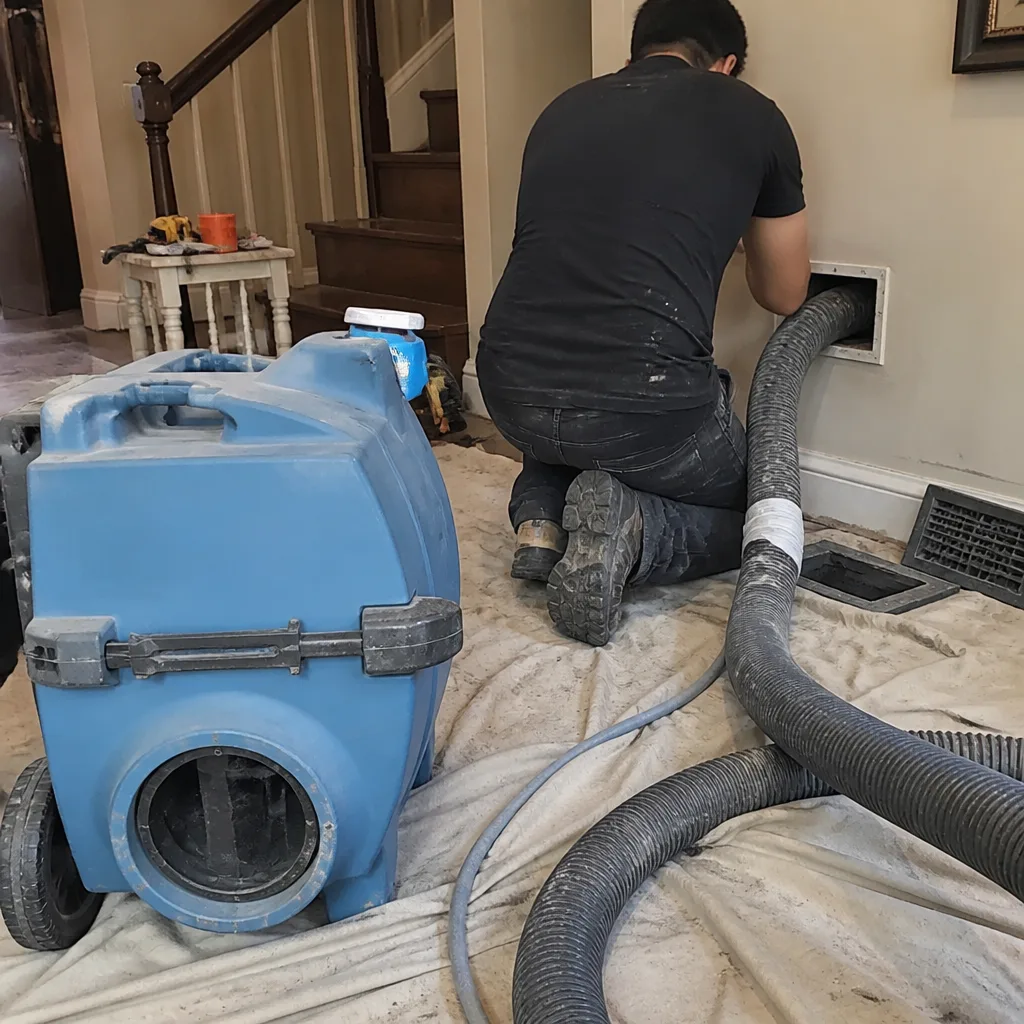 Before
 After
After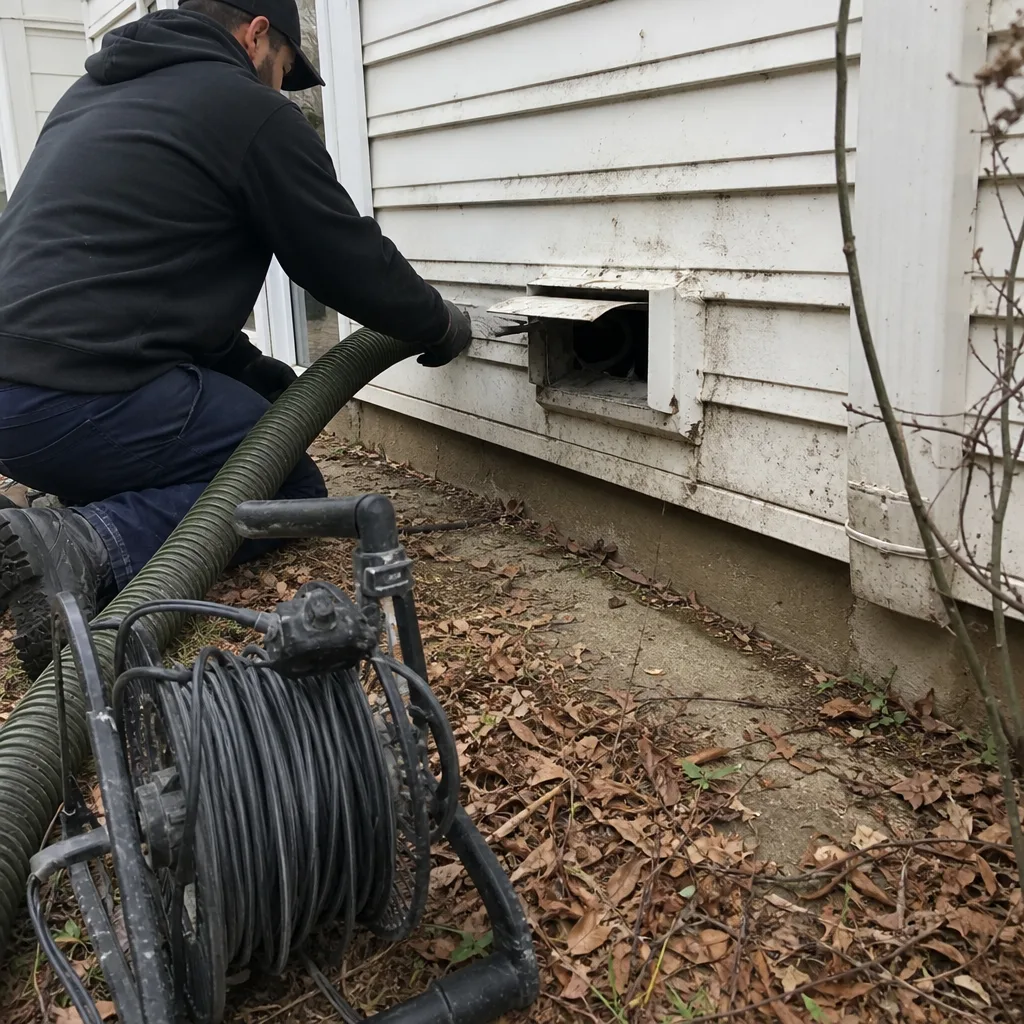 Before
 After
After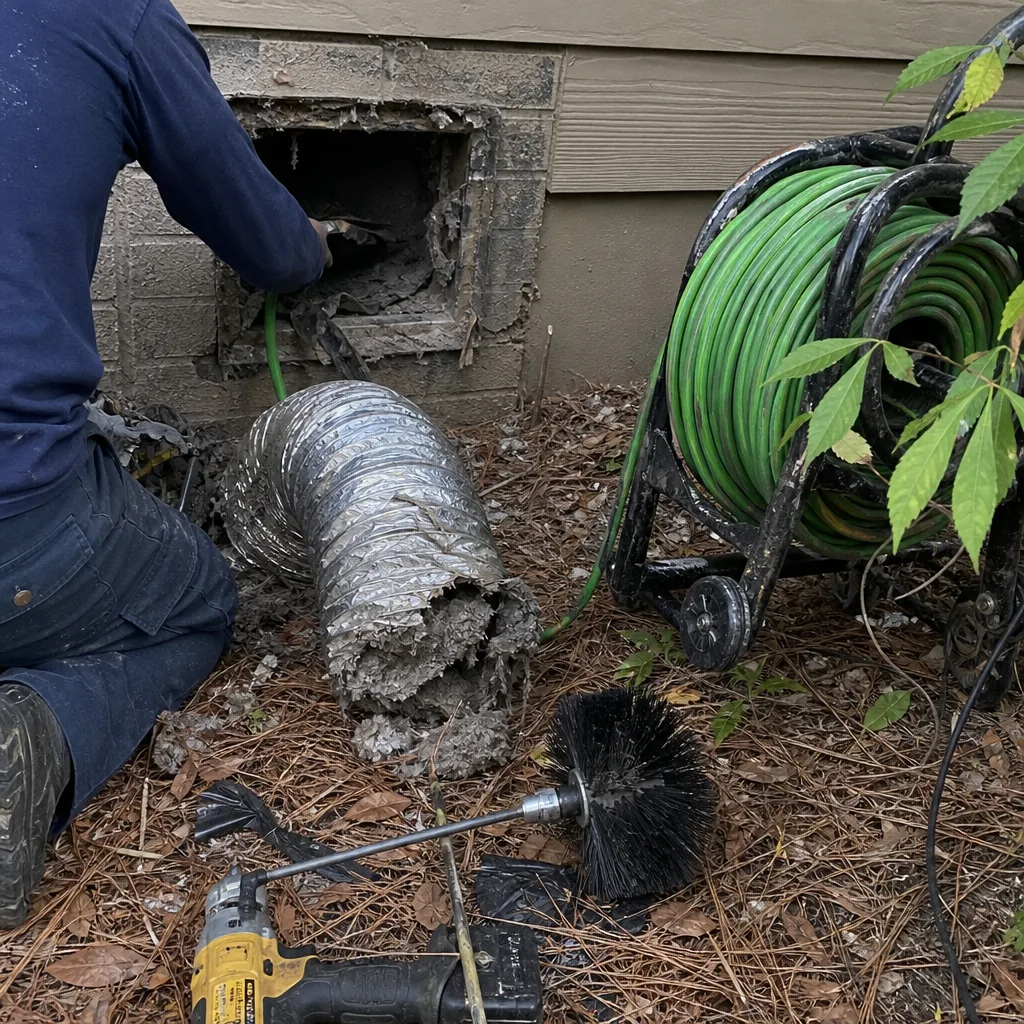 Before
 After
After