
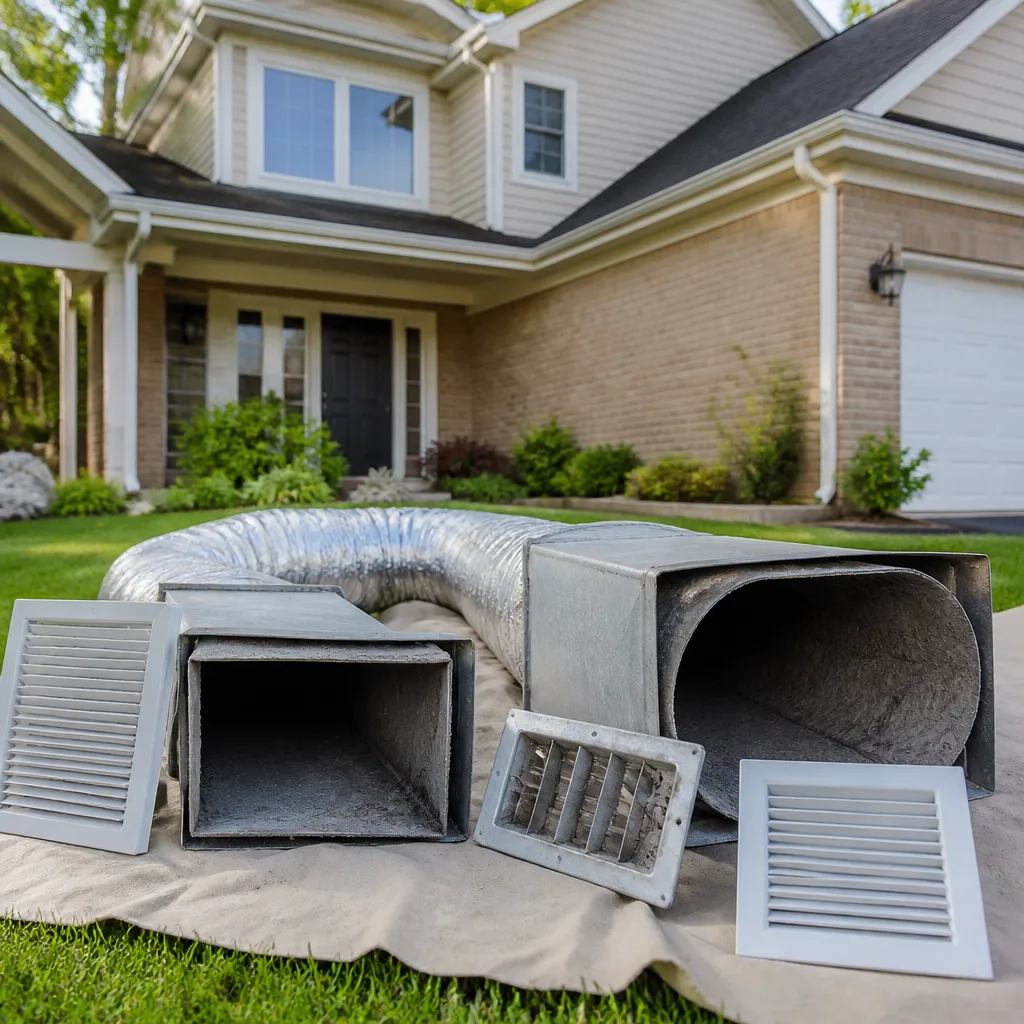
 Whole-home duct cleaning
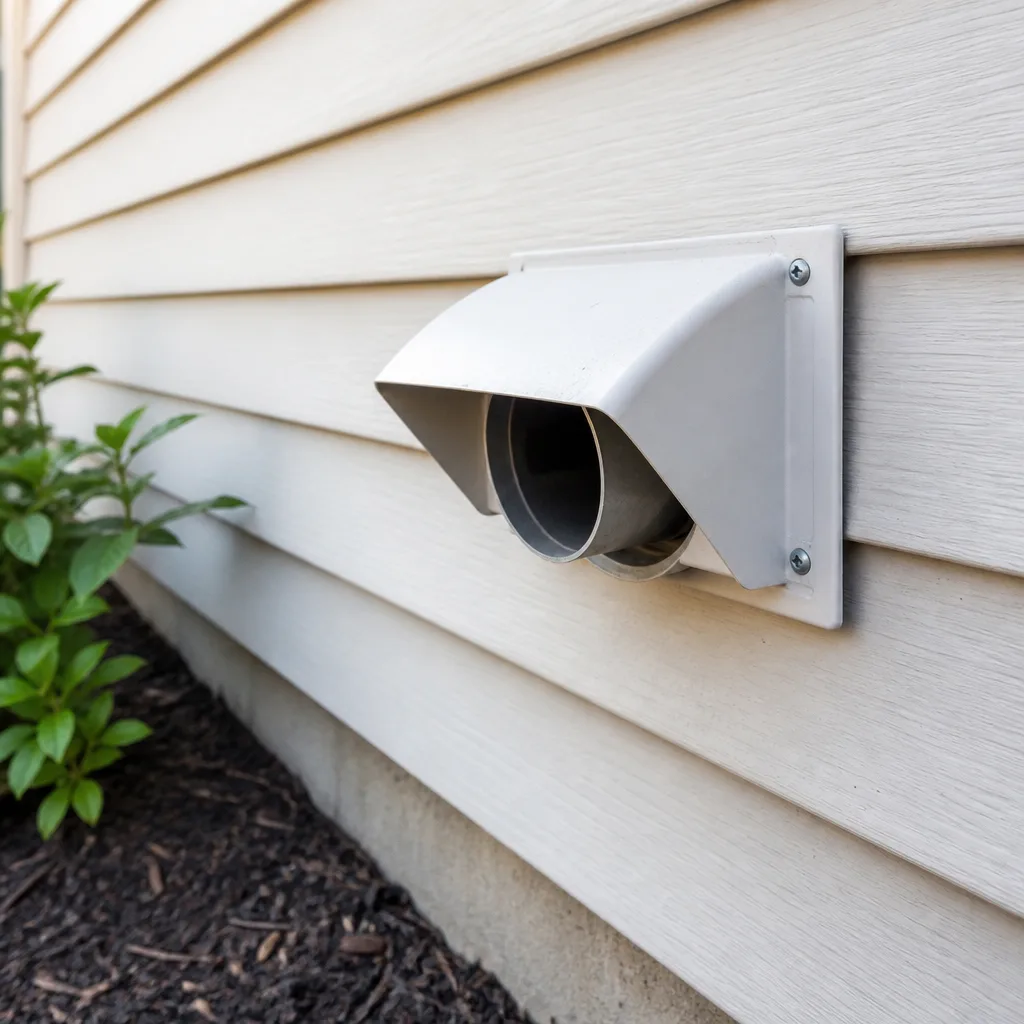 Dryer vent cleaning
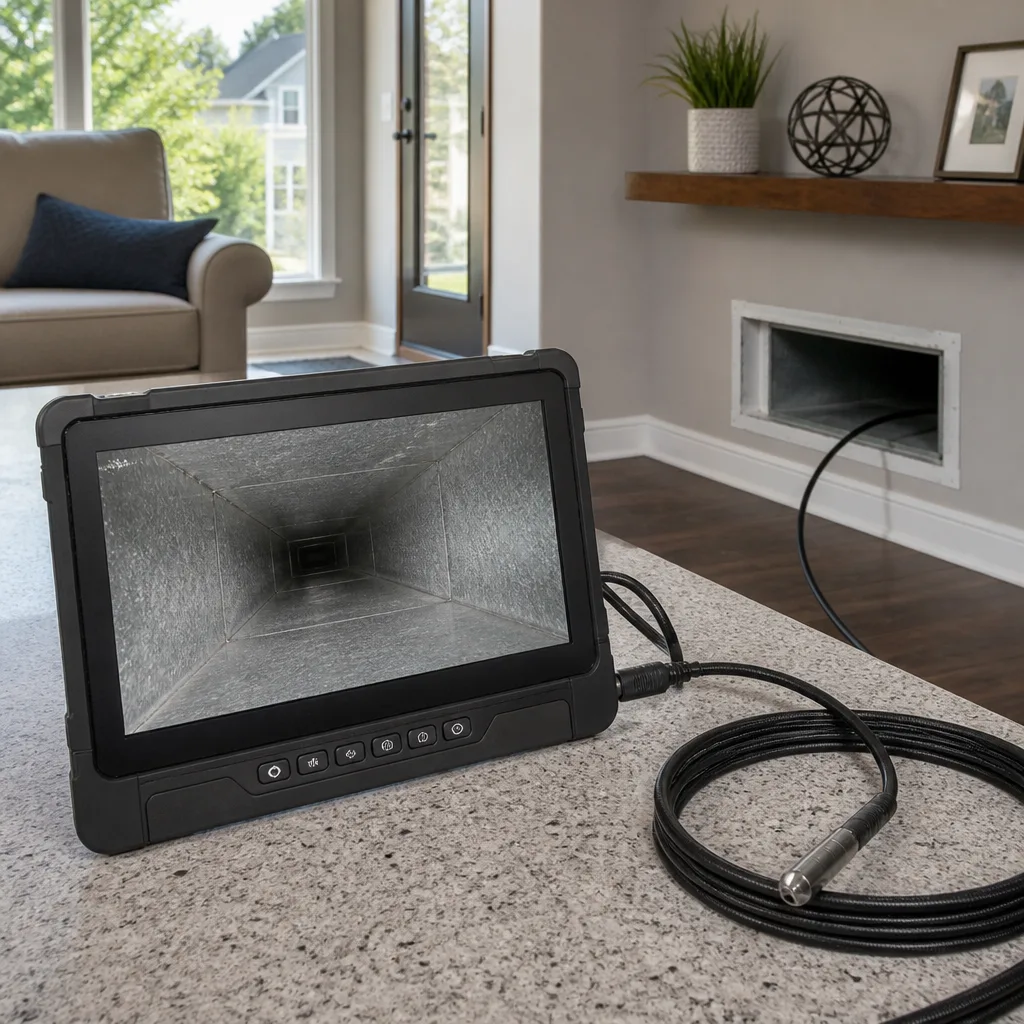 Camera inspection
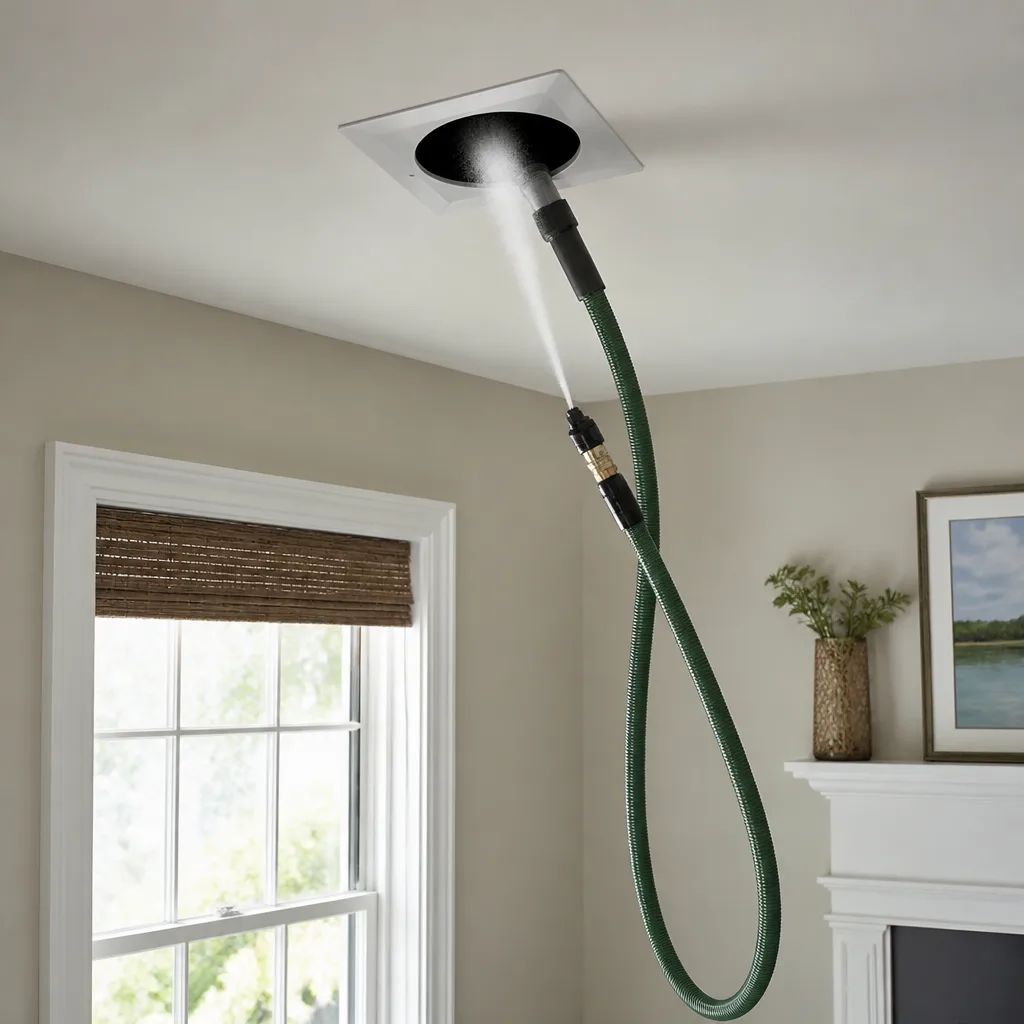 Sanitizing & deodorizing
Whole-system duct and dryer vent check with before-and-after photos - you see exactly what came out of your vents
That "$99 whole-house special" is a bait ad - the real number appears once they are in your hallway, or the "clean" is a shop-vac at the register. We photograph the inside of your ducts before and after instead.
Honeywell Duct Sealing & Repair: The Sandy Springs Owner’s Guide
We stock and install Honeywell-compatible duct sealing and repair materials in Sandy Springs, with typical repair jobs running $275 to $650 depending on access and how many sections of duct need attention. Most Honeywell duct sealant failures show up as a section of supply duct that has come unsealed at a joint, usually in an attic or crawl space, and what you notice first is a room that never quite heats or cools like the others. You’ll also see dust streaks around the register, or hear a faint whistle when the blower kicks on.
If you have a Honeywell zoning panel, bypass damper, or media cabinet, the sealing and repair work usually involves the duct connections at those components rather than the units themselves. That’s the part we handle most often for Sandy Springs homes, and it’s the kind of job where a correct diagnosis saves you from replacing something that doesn’t need replacing. Paul Adeyemi and our crew will tell you exactly what’s failing, what we’ll do about it, and what the final number will be before anyone unrolls a hose.
Morton’s Air Duct Cleaning is an independent service provider and not affiliated with Honeywell. We do, however, keep their equipment and compatible sealing materials on hand because so many Sandy Springs homes have Honeywell components in the attic or utility closet.
Which Honeywell Models This Applies To
Most of the Honeywell duct sealing and repair work we see in Sandy Springs falls into three groups: the TrueZONE series panels (HZ311, HZ322, and the older HZ432), the Honeywell electronic air cleaner and media cabinet connections (F300, F100), and any bypass damper setup tied to a zoning system. If your system has a Honeywell control board with green terminal strips, you have a TrueZONE or similar, and the duct collar connections at the plenum are the most common leak points we repair.
Here’s the compatibility gotcha that trips up a lot of homeowners: Honeywell zoning systems use a 24-volt damper actuator that pairs with round dampers in 8-inch, 10-inch, and 12-inch diameters, and the sealing collar size must match the damper, not the duct. A 10-inch damper often sits inside a 12-inch duct with a reducer, and if you seal that transition with the wrong size collar, you’ll be back in the attic six months later. We see this regularly in homes built along Roswell Road and the neighborhood streets off Abernathy Road where two-story layouts make zoning common.
On the sealing material side, we use Honeywell-compatible mastic and UL-rated foil tape products, and for most Sandy Springs jobs we recommend an aluminum-backed butyl tape over the OEM mastic alone. The Georgia attic heat cycle, with surface temperatures swinging from 140 degrees in August to below freezing in January, hardens mastic over time. The butyl-backed tape holds up better to that expansion and contraction, which is a real consideration for this climate, not just a product preference.
Styles & brands we work with
Signs Your Honeywell Duct Sealing & Repair Is Failing
- One room stays noticeably warmer or cooler than the rest of the house. When a Honeywell zone damper’s duct collar comes unsealed, conditioned air leaks into the attic or crawl space instead of reaching that register. The system runs longer to compensate, and that room still never feels right.
- You hear a low whistle or hiss near the ceiling when the system first starts. That’s air escaping a split seam or a failed tape joint. On Honeywell zoning setups, the bypass damper connection is a frequent culprit because it flexes every time the damper opens and closes.
- Dust film appears around one particular register within a week of cleaning. A leak on the return side of a Honeywell media cabinet pulls attic air, insulation particles, and dust into the system. It’s not that your ducts are dirty; it’s that untreated attic air keeps getting in.
- Your energy bill creeps up without a corresponding weather change. A ducts leak means you’re buying conditioned air the house never receives. For Sandy Springs homes with Honeywell zoning, a 10% to 20% duct leak isn’t unusual after five or six years of Georgia heat.
- The zoning panel shows a damper position that doesn’t match what you feel at the register. This can indicate air is bypassing the damper entirely through an unsealed gap. The panel thinks it’s modulating, but the duct has become a leaky bypass.
See the difference
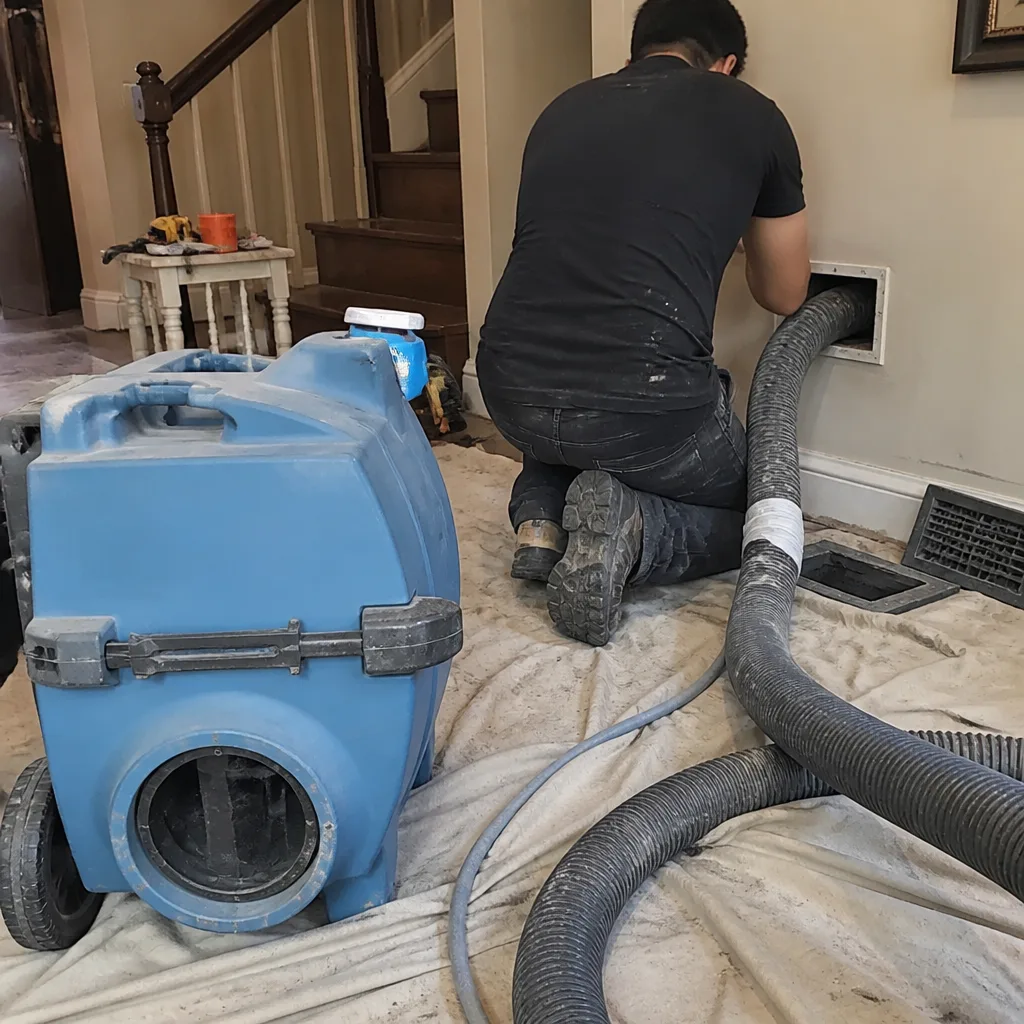 Before
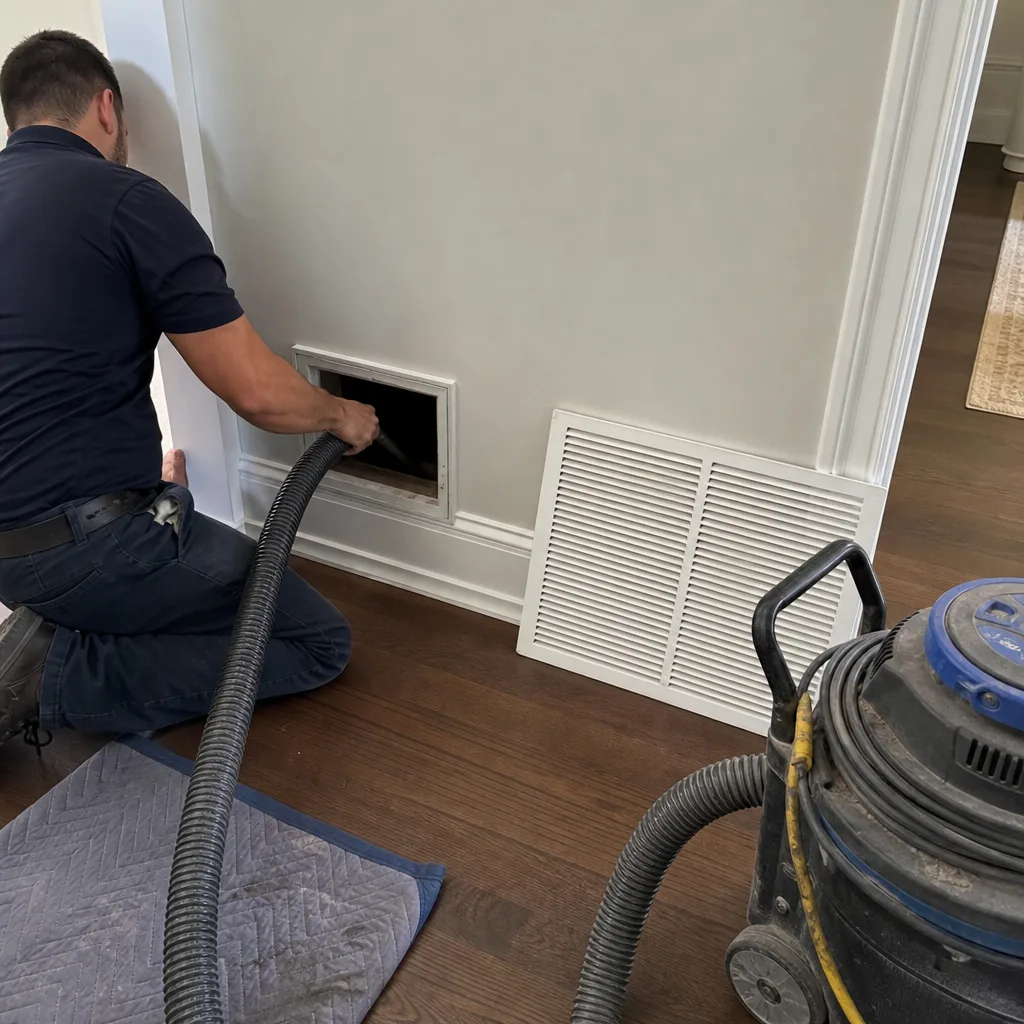 After
After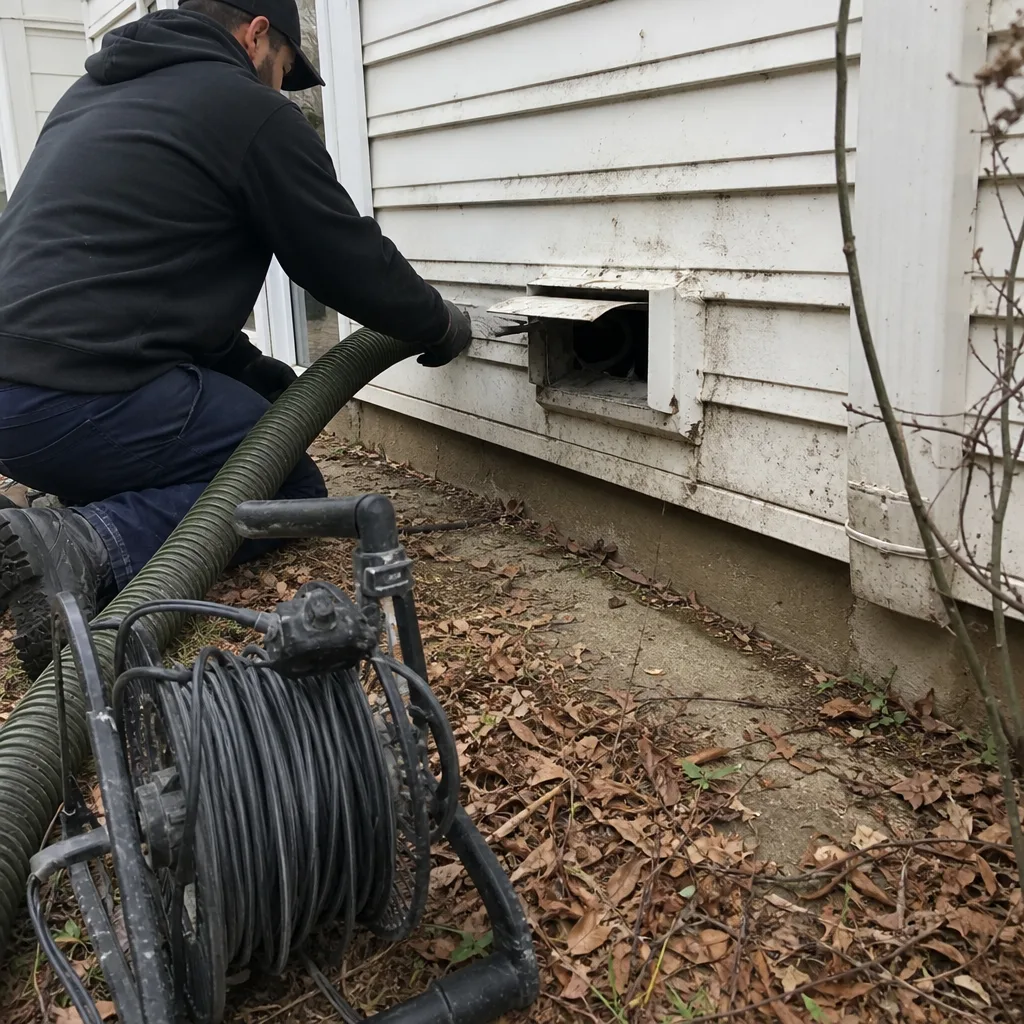 Before
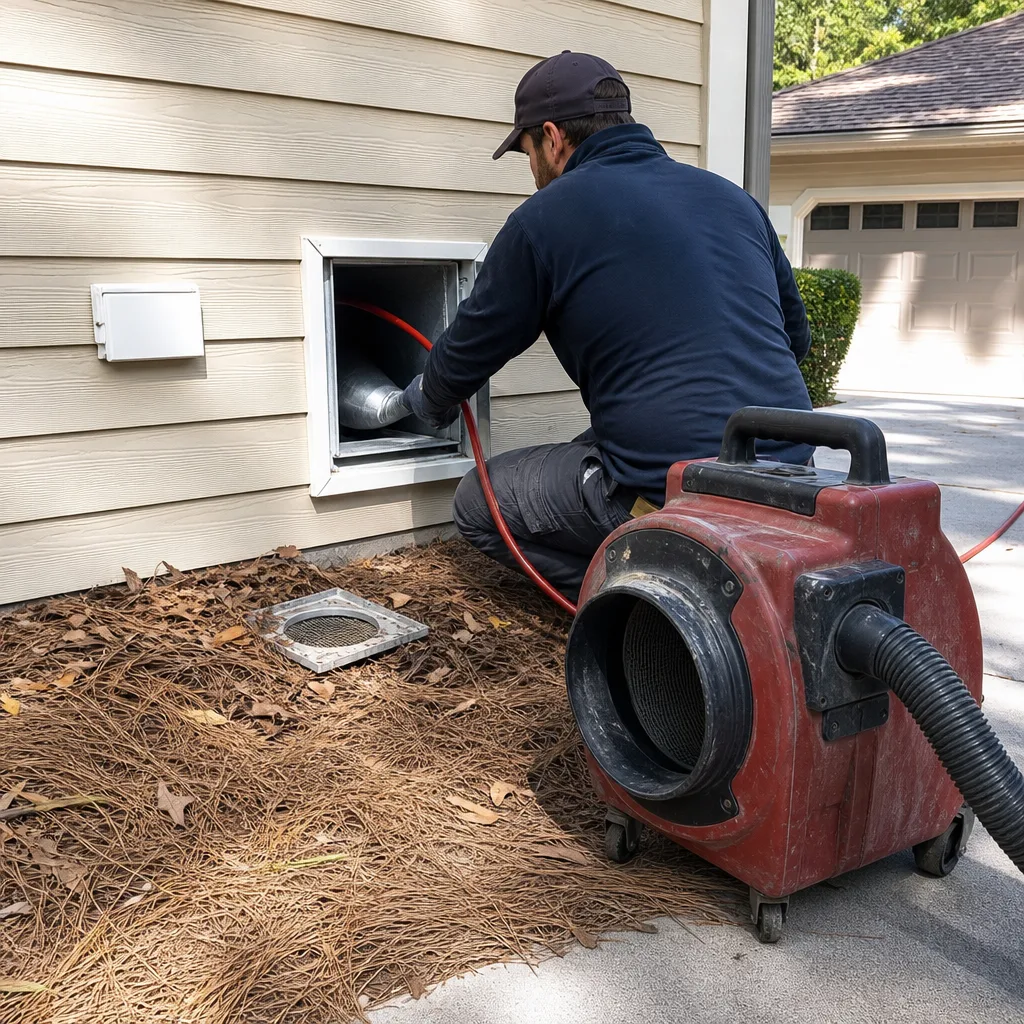 After
After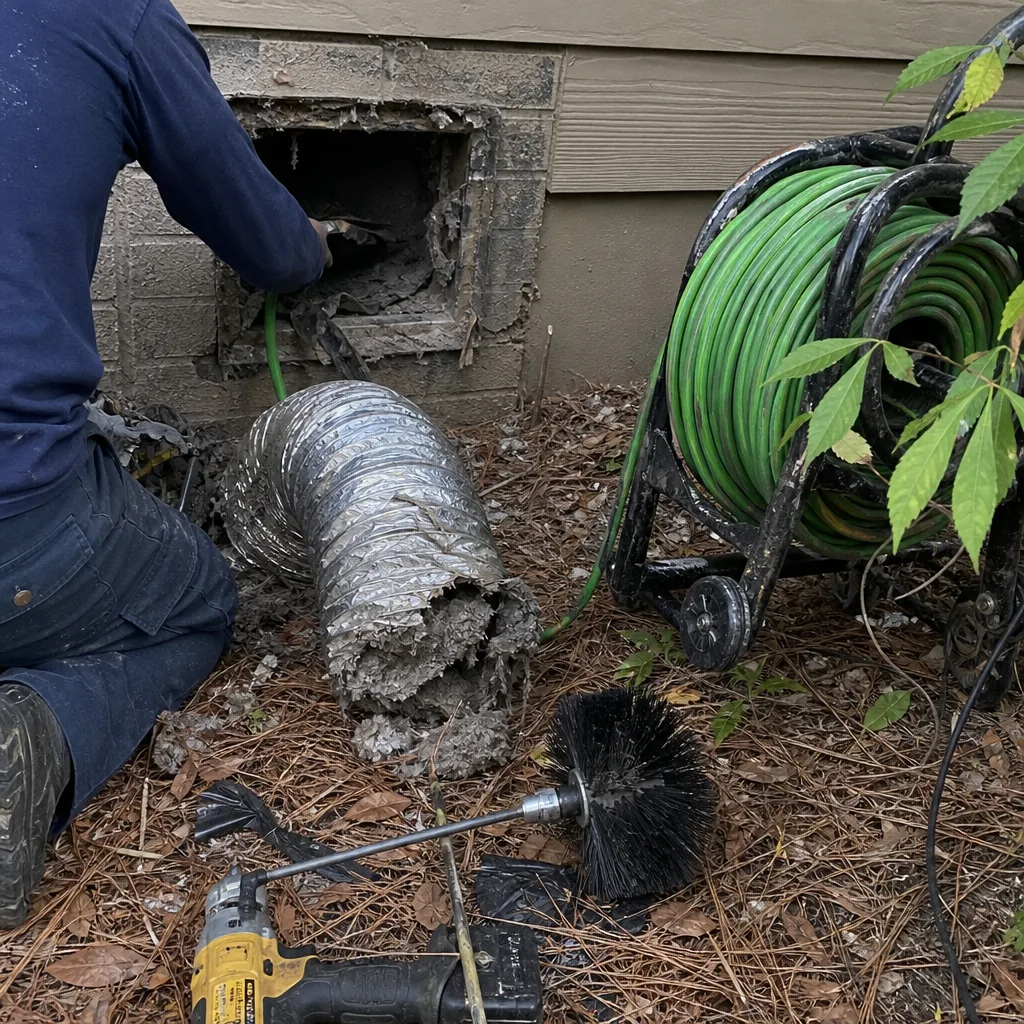 Before
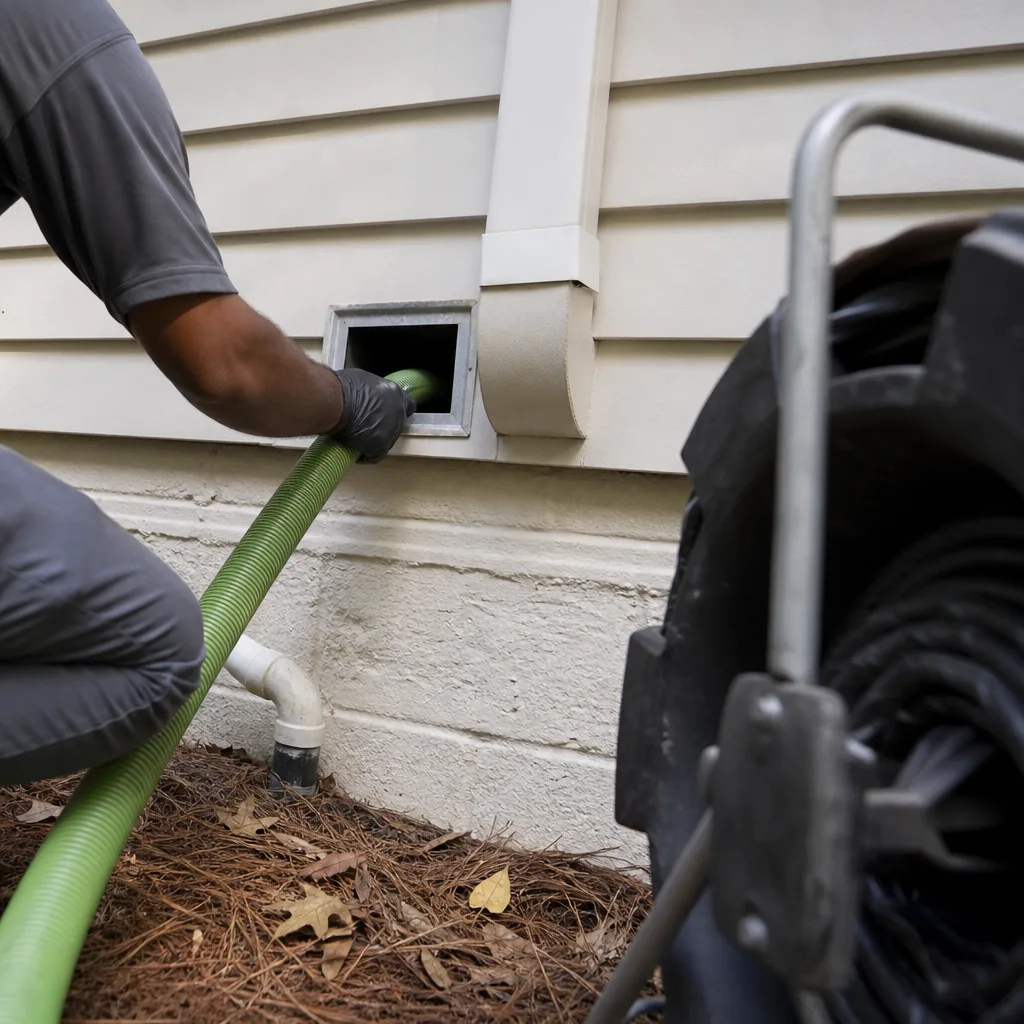 After
AfterReplacement Cost & What’s Included
For most Sandy Springs homes, Honeywell duct sealing and repair work falls between $275 and $650. The range depends on whether we’re sealing one accessible joint in an open attic or chasing multiple leaks in a low-clearance crawl space. A single failed collar at a TrueZONE damper usually runs $275 to $380, while a full supply-side seal across multiple Honeywell components can reach $650 or more if access is tight.
Every quote includes the sealing materials, labor, and a visual inspection of every accessible joint on the affected duct run. We write the price down before work starts, and that’s the number on the invoice. No per-joint surprise pricing, no material fees added at the end. The repair work carries the Morton’s 365-Day Done Right Promise: if the seal fails within a year, we come back and make it right. That promise is stamped on the written estimate, not tucked away in fine print.
What we can’t tell you from a website is exactly what your repair will cost. We can tell you that in over 15 years of running calls across Sandy Springs, we’ve never once started a job without a signed written price, and the final bill matched it every time. Call (229) 495-2691 and we’ll get you a number that means something.
DIY or Call Us?
For Honeywell duct sealing specifically, the honest answer is that most homeowners should not do this themselves. The sealing materials themselves aren’t dangerous, but the location usually is. Attic work in Sandy Springs in the summer means surfaces hot enough to burn skin, and crawl space work means navigating tight framing with limited air circulation. We’ve seen plenty of homeowners start a duct sealing project on a Saturday morning and end it with a heat headache and half a roll of tape on a rafter.
There is one thing you can safely check: go to the register that’s giving you trouble and shine a flashlight inside. If you see obvious gaps where the duct meets the register boot, that’s a fixable problem, and we’re happy to handle it. If you have a Honeywell zoning panel, note which zone is calling for air and take a photo of the panel display. That information helps us diagnose faster, which saves you money.
What we do not recommend is climbing into a low attic with mastic and foil tape to attempt a full seal. The materials cost less than $50, but getting it wrong means you’ve sealed a leak you can’t see and missed the one that mattered. It’s not a shame to call a pro for this; it’s just the smart call. Paul says it best: we’ll tell you exactly what we’re going to do, and exactly what it will cost, before we do anything.
FAQs
In the Georgia climate, a properly applied Honeywell-compatible seal on a zoning system typically lasts six to ten years before the attic heat begins to break down the materials. We use aluminum-backed butyl tape on all Sandy Springs repairs because it weathers the heat cycle better than standard mastic, which extends that window for most homes.
In nearly every case we see, the seal can be repaired rather than replacing the entire duct section. We remove the old failed material, clean the joint, and reseal it with materials matched to the either the Honeywell damper collar size or the media cabinet connection. Replacement only becomes necessary if the metal collar itself has rusted through or deformed, which is rare.
Most Honeywell duct sealing and repair jobs in Sandy Springs take two to four hours, depending on attic access and how many joints are involved. We’ll tell you the expected time window when you call, and we’ll stick to it.
We keep Honeywell-compatible mastic, butyl foil tape, and a range of collar adapters on the truck, along with replacement parts for the other major brands we service, including Lennox, Trane, and Carrier systems. Most repairs get done the same day we arrive with no second trip for materials.
Yes, and we’ll write down what we find, including photographs, before anyone starts any work. You’ll see the failed joint, understand what the fix involves, and have the written price in hand. If you decide to wait, that’s fine; the quote holds for 30 days and we leave the house as clean as we found it, shoe covers and drop cloths included.
Call (229) 495-2691 for a free estimate on your Honeywell duct sealing and repair in Sandy Springs. A live person answers, every time, and you’ll have a written price before a single tool comes off the truck.
Written by Paul Adeyemi, Owner & Lead Technician, Mortons Air Duct Sandy Springs at Mortons Air Duct Sandy Springs, serving Sandy Springs and nearby areas.