
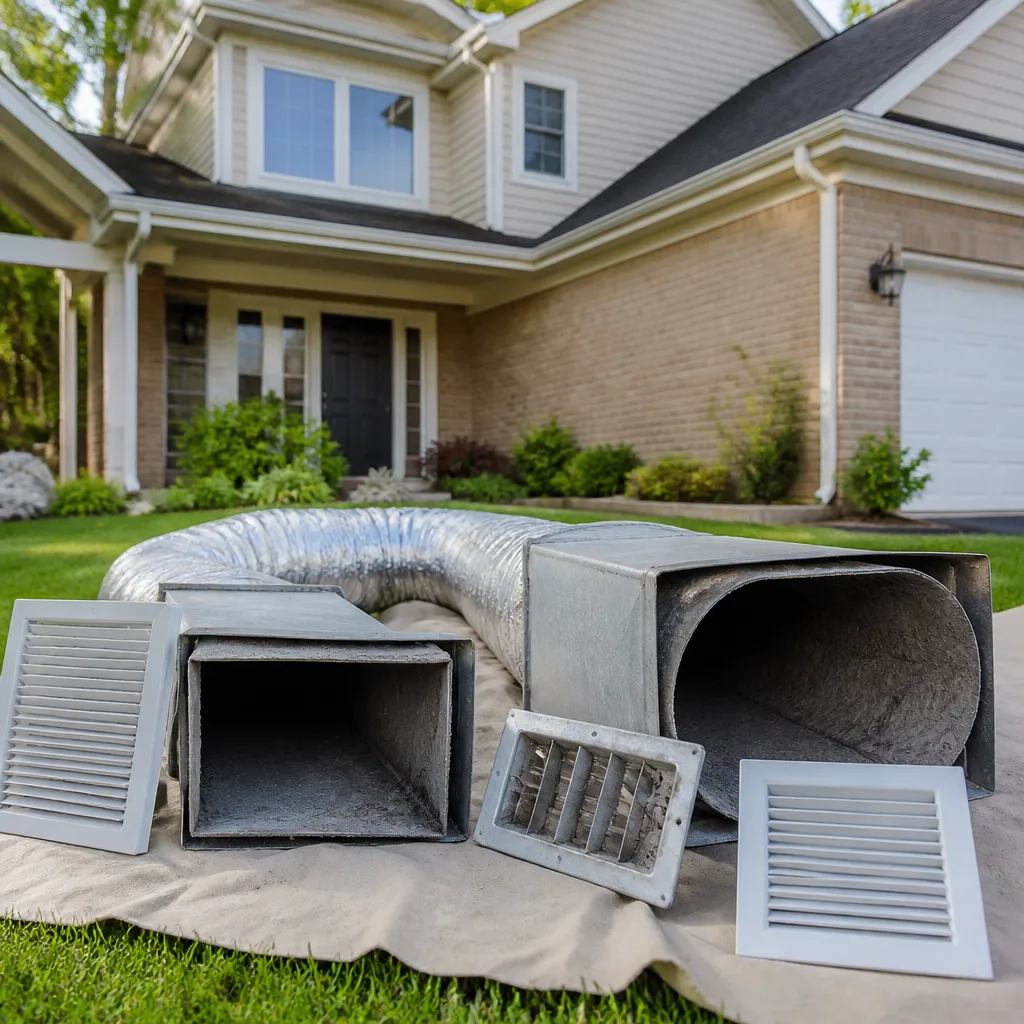
 Whole-home duct cleaning
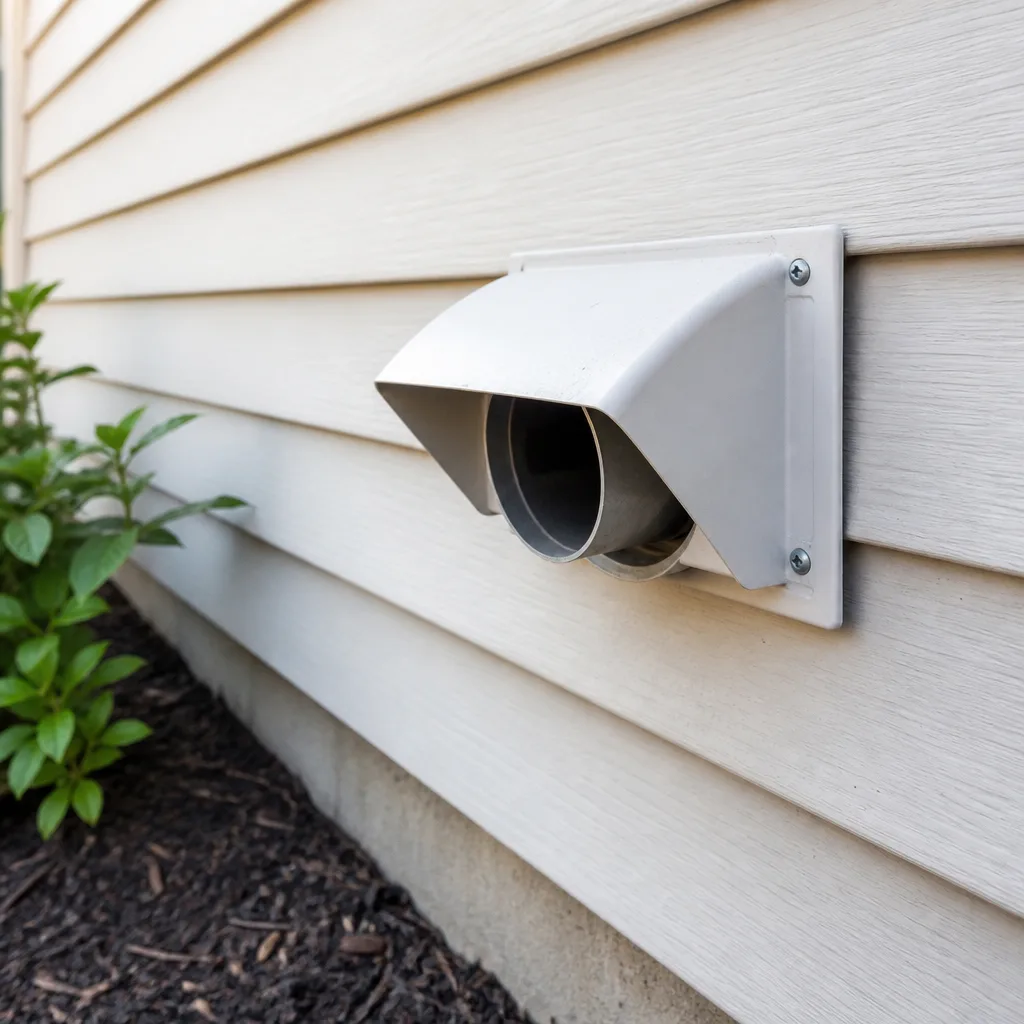 Dryer vent cleaning
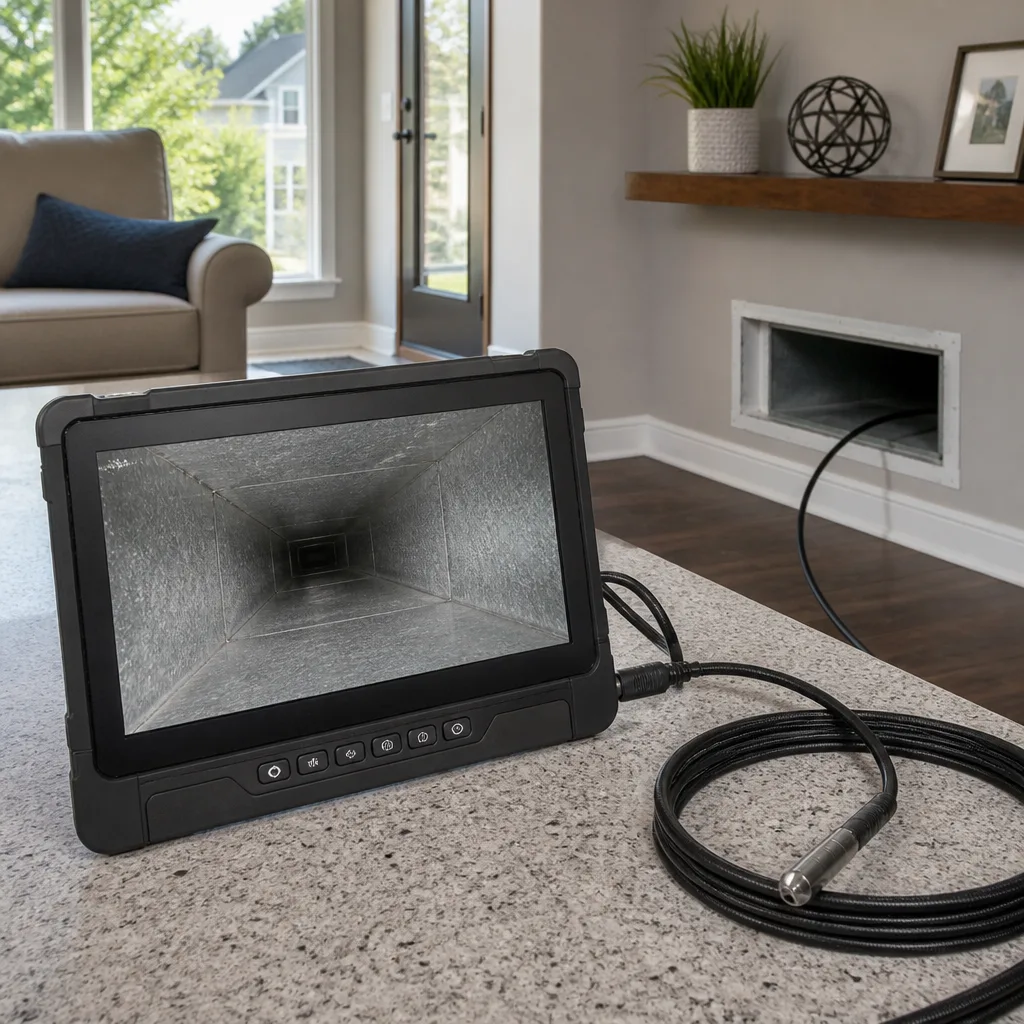 Camera inspection
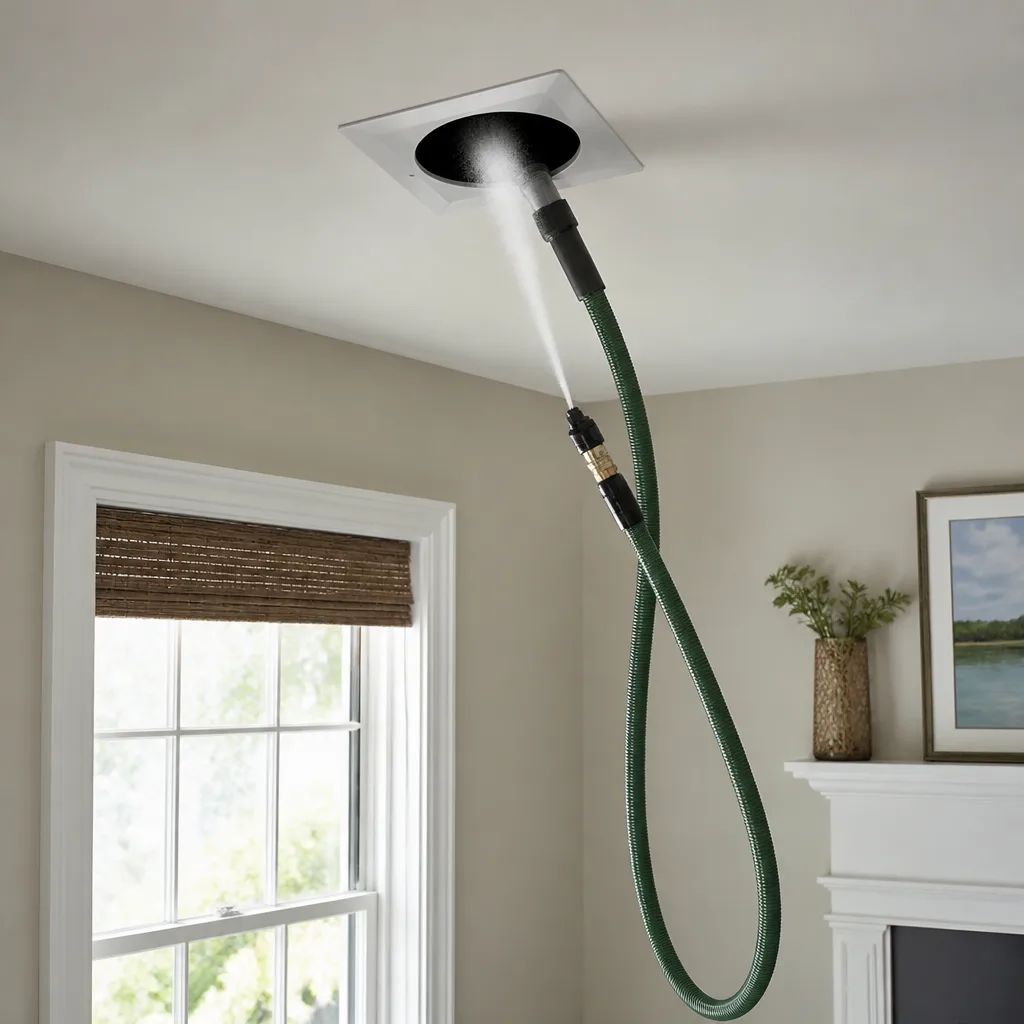 Sanitizing & deodorizing
Whole-system duct and dryer vent check with before-and-after photos - you see exactly what came out of your vents
That "$99 whole-house special" is a bait ad - the real number appears once they are in your hallway, or the "clean" is a shop-vac at the register. We photograph the inside of your ducts before and after instead.
Nikro Vent Sanitizing: The Sandy Springs Owner’s Guide
We stock, install, and calibrate Nikro vent sanitizing components, and a typical part replacement in Sandy Springs runs between $180 and $420 installed, depending on which Nikro model you’re running and whether the sanitizer module, wiring, or the mounting assembly has gone. Most swaps happen same visit once we’ve confirmed the model and the failure point. The way owners usually find us is simple: they flip the sanitizer on, the indicator doesn’t light, or the fan still moves air but the telltale ozone or UV smell they’d gotten used to just isn’t there anymore. Sometimes it’s a tripped GFI; more often it’s a burned-out sanitizer element or a corroded connector at the unit.
We’re an independent Sandy Springs service provider stocking Nikro-compatible parts for vent sanitizing systems across a range of models. We’re not affiliated with Nikro, which honestly works in your favor: we stock both OEM Nikro components and quality aftermarket equivalents, and we’ll tell you the difference before any money changes hands. Paul Adeyemi runs the crew, and the rule on Nikro work is the same as every other job we do: you get a written price before we touch anything, and the number on that paper is the number you pay.
Which Nikro Models This Applies To
The Nikro vent sanitizing line covers a few distinct families, and the right part depends on which one you’ve got. The most common in Sandy Springs homes are the portable sanitizer units (frequently the wet-dry models paired with Nikro’s HEPA filtration), the in-duct UV sanitizers mounted at the coil or in the return, and the less common ozone-based units some HVAC companies installed during whole-home retrofits over the last fifteen years. Each family uses different sanitizing hardware, and the mounting brackets and connectors are not cross-compatible.
The quickest way to identify your unit is the metal rating plate, usually on the back or bottom of the housing. You’re looking for the model prefix: SP-series units use a cartridge-style UV lamp; the DO-series duct-mount sanitizers take a rigid probe lamp with a specific wattage, often 14 to 36 inches depending on duct width; ozone units marked OZ use a ceramic plate rather than a lamp at all. If the plate’s faded, the lamp itself is marked with its wattage and length, and those two numbers get us to the right match. For Nikro specifically, we lean OEM on lamps and ballasts because the tolerances on the lamp socket and the electrical draw are tight enough that cheap aftermarket lamps tend to fail early or trip the unit’s safety. On connectors and mounting hardware, quality aftermarket parts are usually fine and cost less.
Styles & brands we work with
Signs Your Nikro Vent Sanitizing Is Failing
- The indicator light doesn’t come on, or flickers. On UV units the most common culprit is a ballast that’s at the end of its life, especially after the power surges we get during Sandy Springs summer storms. The lamp might still be good, but the ballast isn’t driving it. Flickering usually means the ballast is failing, not the lamp.
- Air still moves but you can’t smell the sanitizing output anymore. If you’d gotten used to the faint ozone note, and it’s gone, the element or lamp has burned out. UV lamps lose output long before they visibly stop glowing, so a lit lamp isn’t proof it’s still sanitizing. At three years of run time in a Sandy Springs attic, the output’s typically down below useful levels even if the lamp looks fine.
- A faint burning or electrical smell near the unit. That’s the ballast or a connector overheating, and it’s the one symptom we’d tell you to treat as urgent. Shut the unit off at the switch or breaker and leave it off until someone looks at it. Overheated ballasts are a fire risk and they don’t fix themselves.
- The unit trips its GFI or breaker repeatedly. Moisture in the housing from high attic humidity, a cracked lamp seal, or a failing capacitor can cause ground faults. Given how humid Sandy Springs gets from June through September, this one shows up on schedule every year.
- The lamp is dark in one section or has dark bands near the ends. That’s normal end-of-life for UV lamps; the mercury vapor has depleted, and the lamp’s effectively dead even if parts of it still glow. It won’t come back, and it won’t sanitize anything.
See the difference
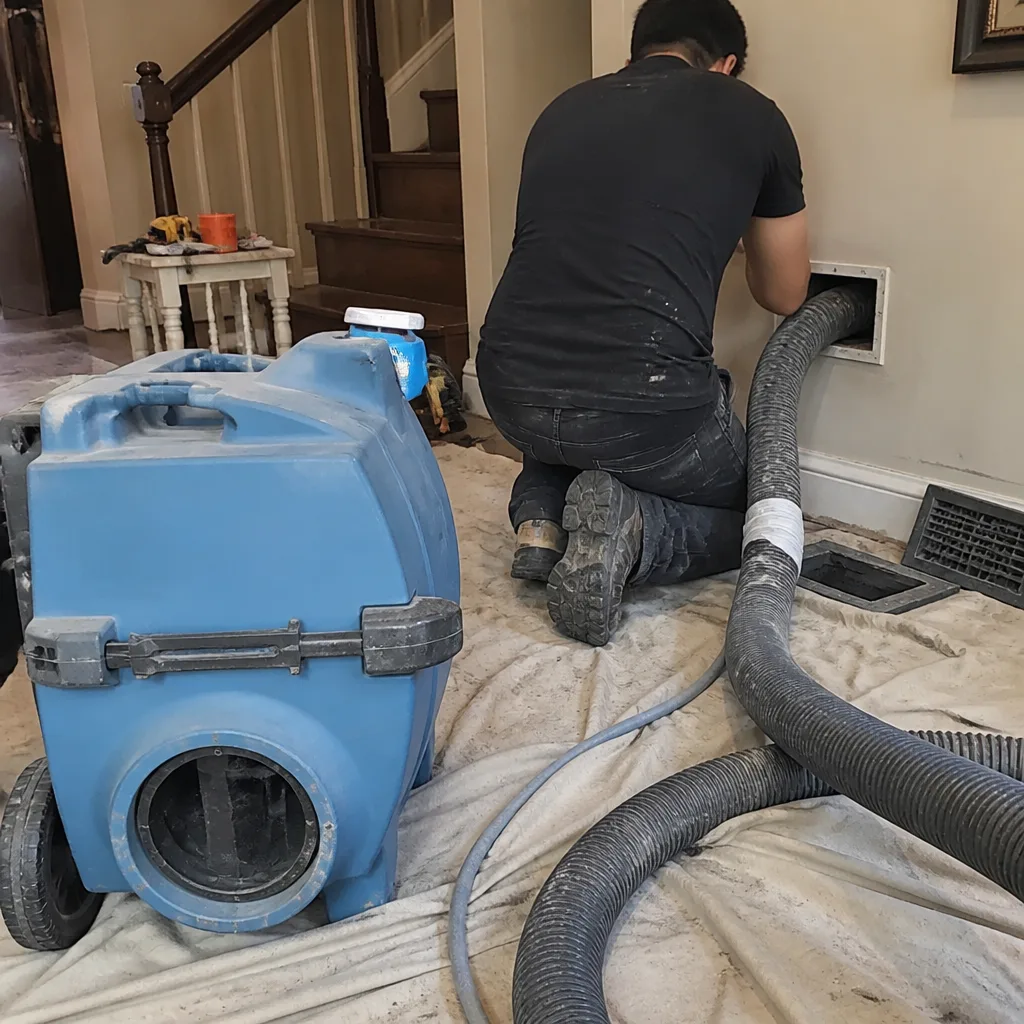 Before
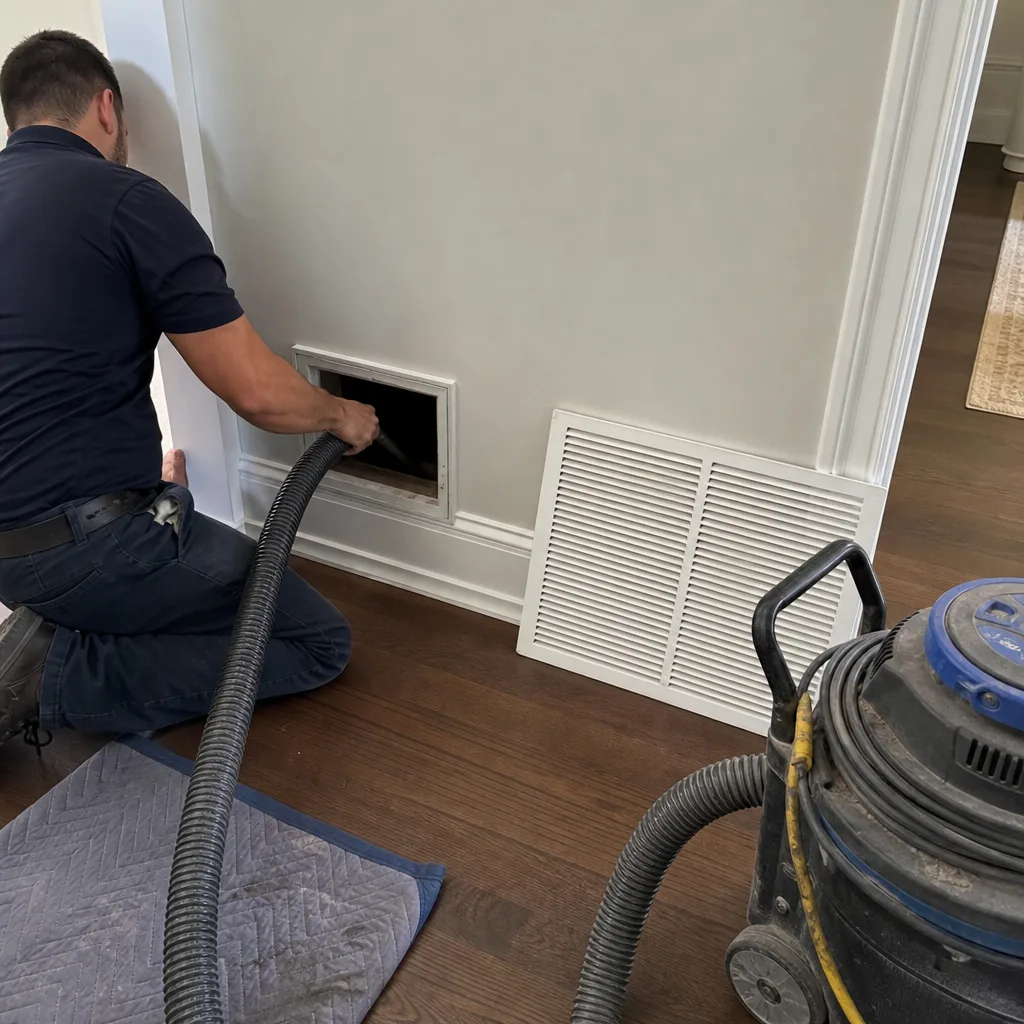 After
After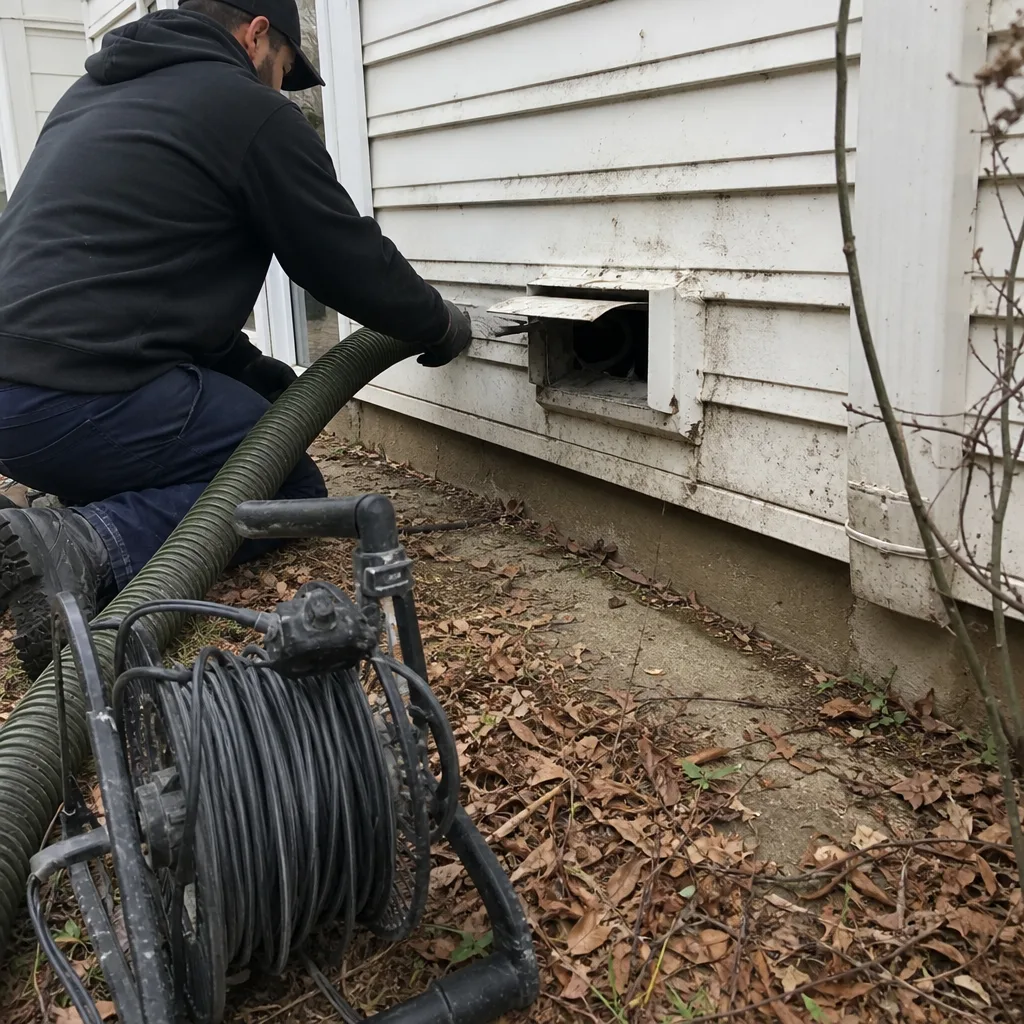 Before
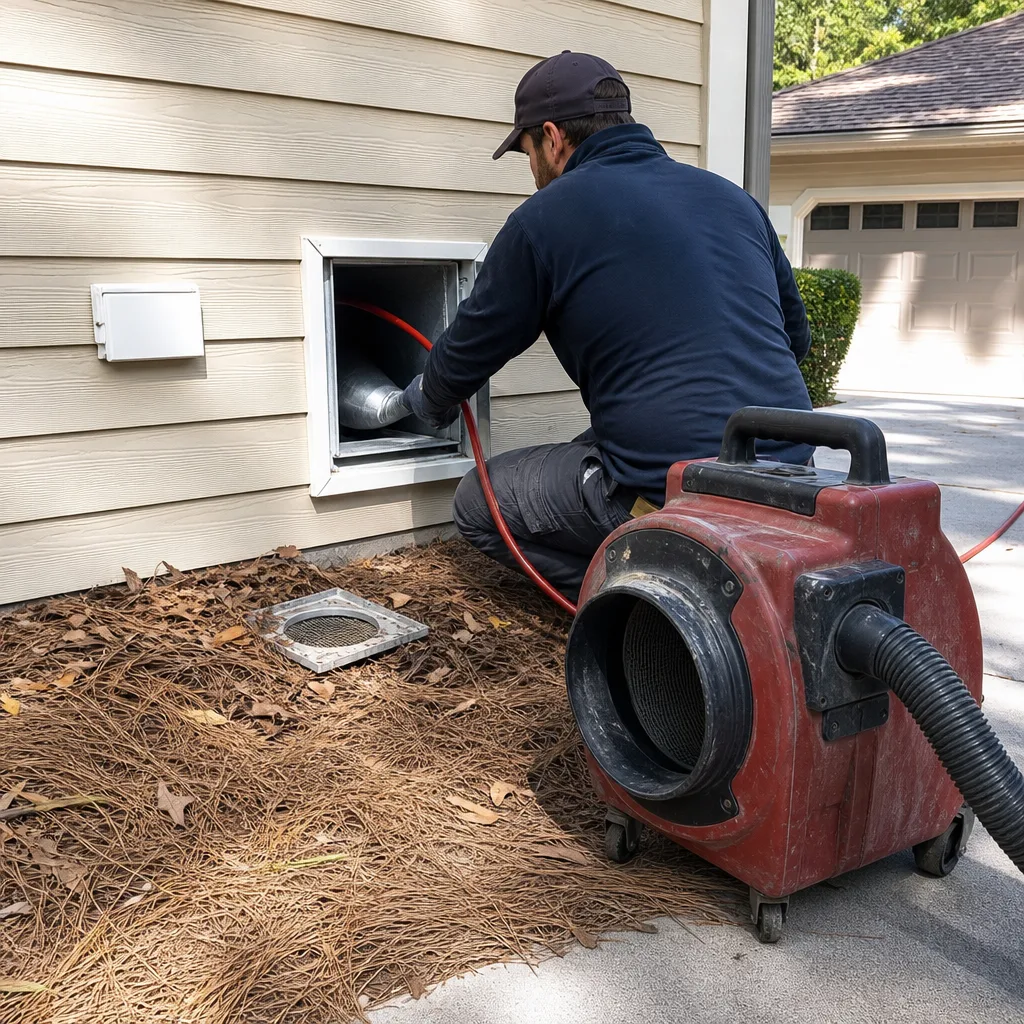 After
After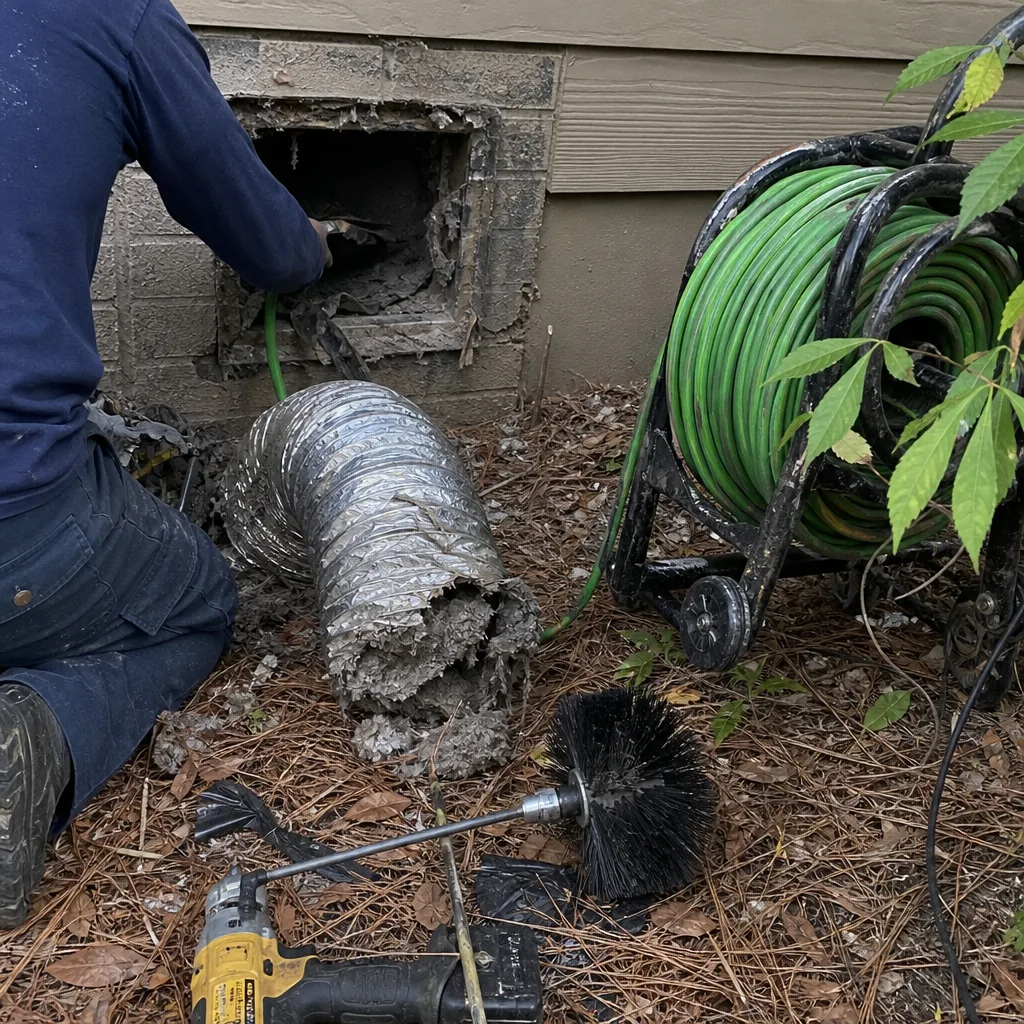 Before
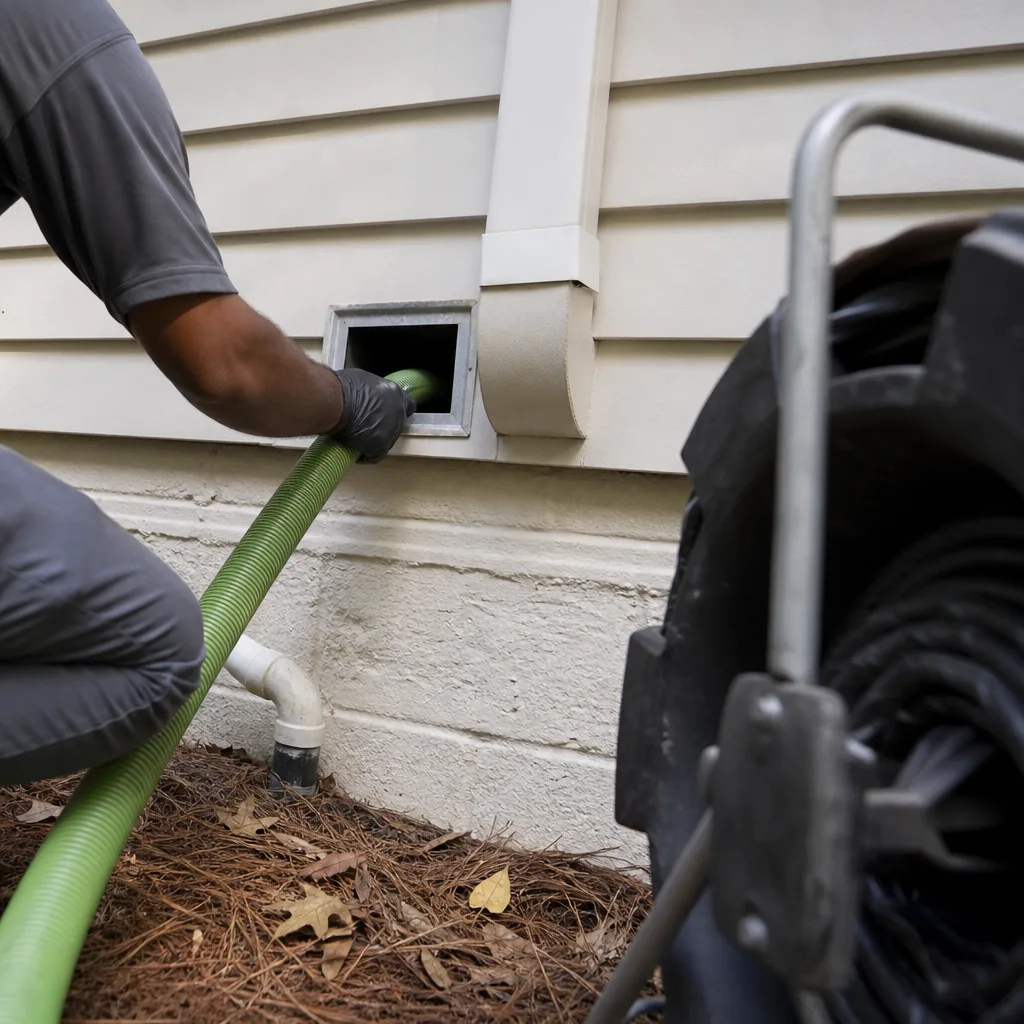 After
AfterReplacement Cost & What’s Included
For Sandy Springs homeowners, here’s the honest pricing picture, installed. A replacement UV lamp for a Nikro portable or duct unit runs $180 to $260 with the swap and a quick check of the ballast and seals. A new ballast is $180 to $340 depending on the model’s voltage and whether we’re matching OEM Nikro or a quality aftermarket equivalent. Ozone plate replacements on OZ-series units land in the $200 to $300 range. If it’s a connector or socket, you’re looking at under $150 in most cases. The range comes down to the part itself and whether your unit’s in an easy reach or stuffed into a crawlspace corner.
| Part | Typical Installed Range |
|---|---|
| UV lamp, Nikro portable or duct unit (OEM) | $180 – $260 |
| Ballast replacement (OEM or equivalent) | $180 – $340 |
| Ozone plate, OZ-series | $200 – $300 |
| Connector or socket repair | $120 – $150 |
Every one of those numbers includes the part, the labor, and a walkthrough of what we found and what we replaced, with photos of the work before we leave. The 365-Day Done Right Promise applies to Nikro part work the same way it applies to a full duct cleaning: if it’s not working right within a year, we make it right at no charge.
DIY or Call Us?
The honest split is this. What you can safely check: whether the GFI or breaker tripped, whether the unit’s getting power, and whether the lamp’s visibly dark or banded. Those are eyes-and-ears checks that cost nothing and might save you a call. What we’d caution against: opening the unit to swap a UV lamp yourself. UV lamps contain mercury, the quartz sleeves crack easily, and the lamp needs to be handled without touching the glass with bare skin. A bad ballast stores charge and can deliver a serious shock even unplugged. And if the issue’s a failing ballast, you can’t diagnose that without a multimeter and some experience. Nikro’s design is straightforward, but the failure points in a Sanitizing unit aren’t the kind of thing to learn on in your own attic.
I’ll tell you exactly what I’m going to do, and exactly what it will cost, before I do anything. If you’d rather we handle it, call (229) 495-2691 and we’ll get the model number from you over the phone, confirm what’s on the truck, and schedule the visit.
FAQs
A UV lamp in Sandy Springs’s HVAC conditions typically lasts three to four years, though output starts dropping after year two.
It depends on the failure point: ballasts, connectors, and sockets are usually repairable, but a darkened or banded UV lamp is a replacement item by definition.
Most replacements take between 45 and 90 minutes, including the time to confirm the old part’s failure and test the new one under load.
We stock common Nikro UV lamps, ballasts, and ozone plates for the models we see most in Sandy Springs.
Written by Paul Adeyemi, Owner & Lead Technician, Mortons Air Duct Sandy Springs at Mortons Air Duct Sandy Springs, serving Sandy Springs and nearby areas.