
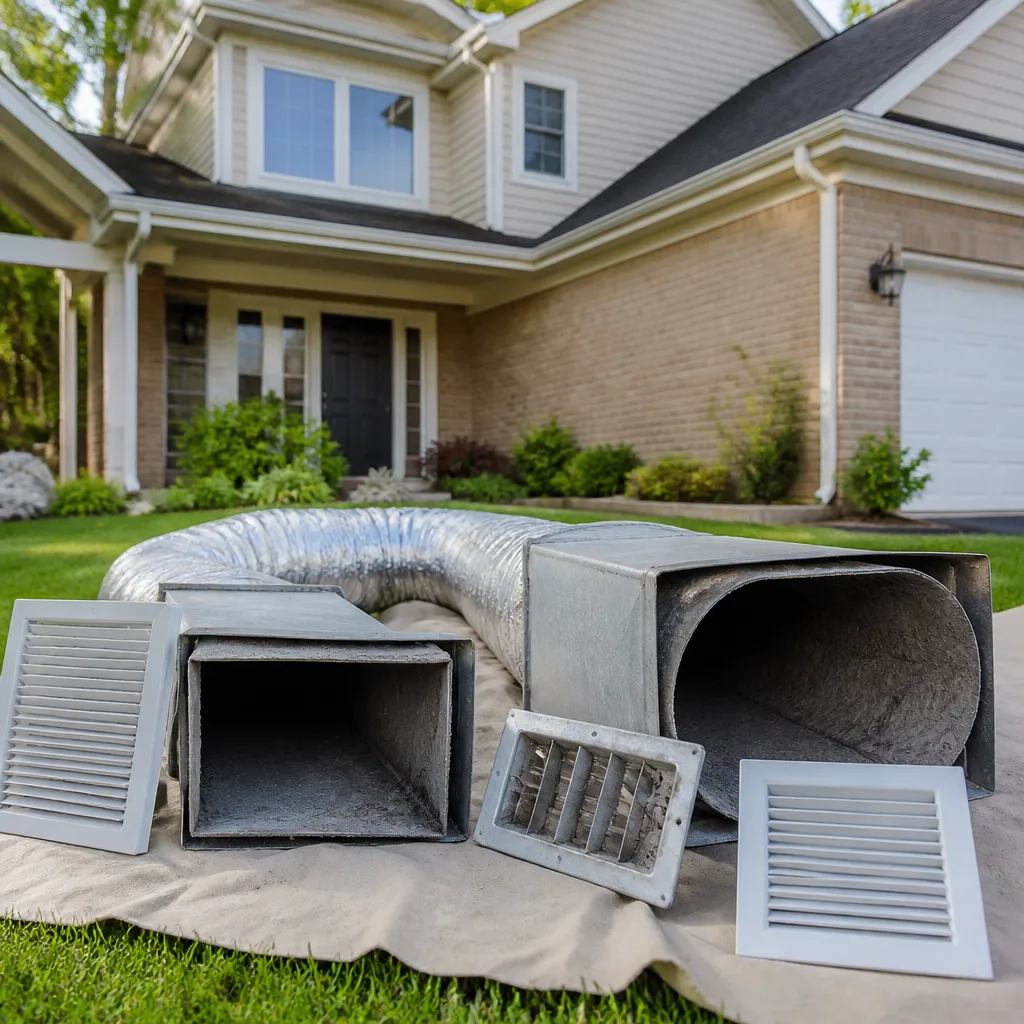
 Whole-home duct cleaning
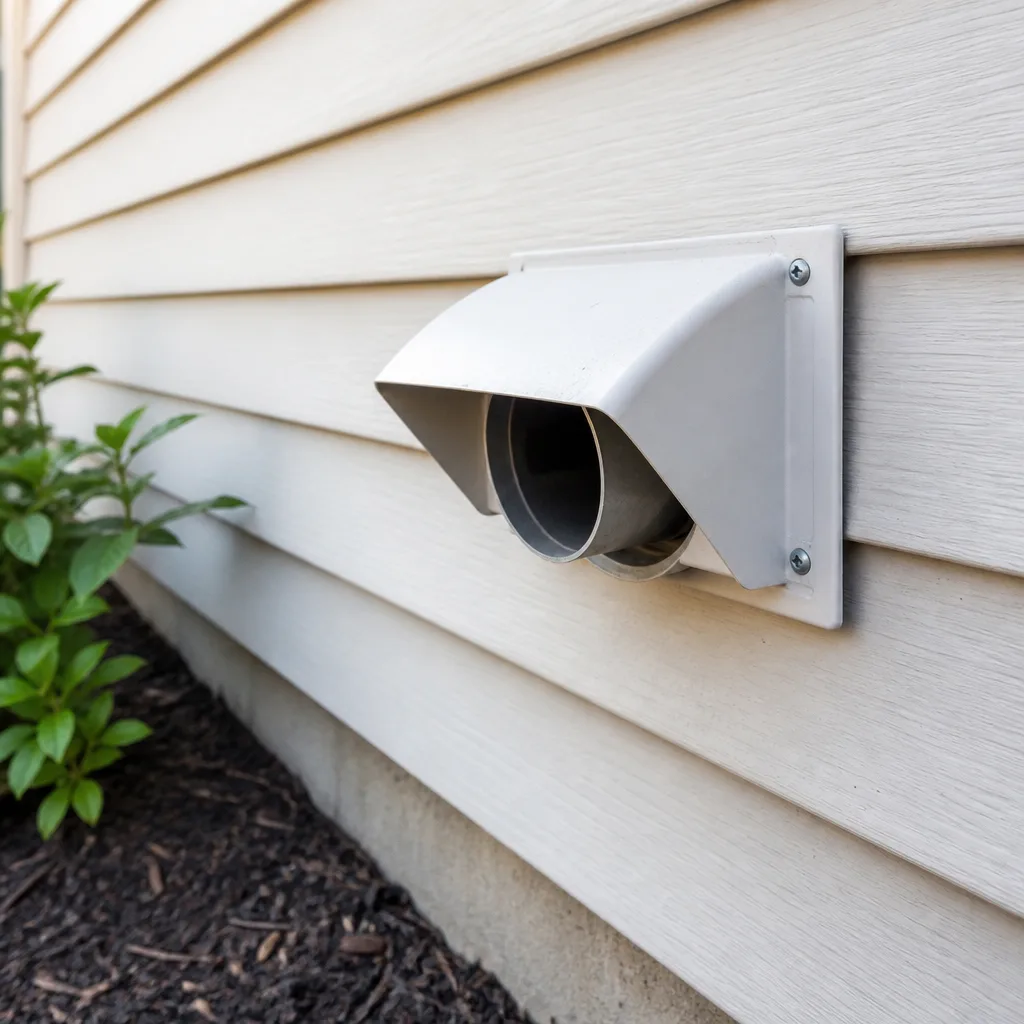 Dryer vent cleaning
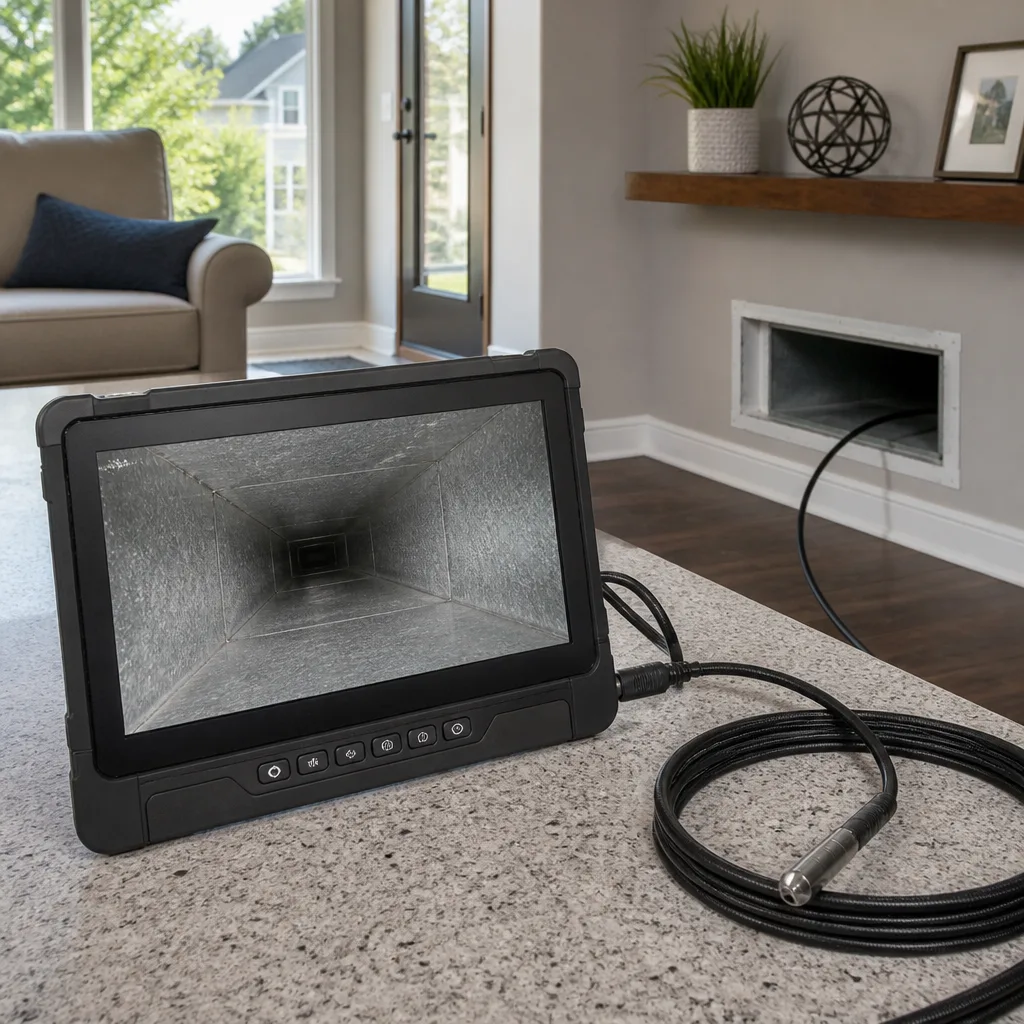 Camera inspection
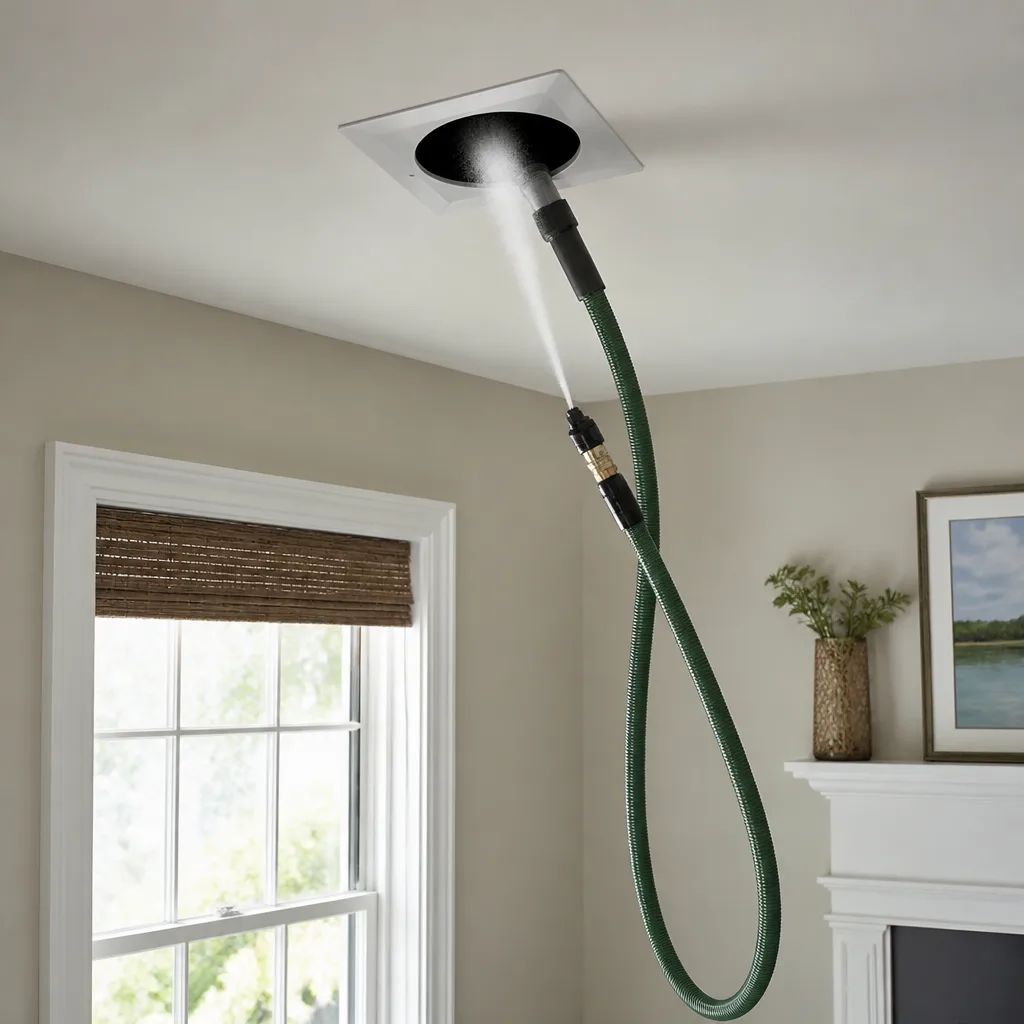 Sanitizing & deodorizing
Whole-system duct and dryer vent check with before-and-after photos - you see exactly what came out of your vents
That "$99 whole-house special" is a bait ad - the real number appears once they are in your hallway, or the "clean" is a shop-vac at the register. We photograph the inside of your ducts before and after instead.
Rotobrush Vent Sanitizing: The Sandy Springs Owner’s Guide
If you’re searching for Rotobrush vent sanitizing in Sandy Springs, you likely already know the part that failed: the sanitizing cartridge, spray nozzle assembly, or the pump that pushes sanitizer through the line. We stock Rotobrush-compatible vent sanitizing parts on our service trucks, and most swaps run between $185 and $390 installed, depending on which Rotobrush model you’re running and which component gave out. We can typically match your part and have it installed the same week we diagnose it, often the same day if the truck has your cartridge in stock.
Here’s how most Sandy Springs owners discover the problem. The sanitizing spray gets weak, then stops entirely. Maybe the cartridge shows plenty of product left but nothing reaches the vent. Or the pump hums and nothing flows. Sometimes it drips. When we open the unit, the cause is usually a clogged pickup tube, a dried-out O-ring that let air into the line, or a cartridge that sat through a Georgia summer and separated inside. None of these are your fault. Rotobrush equipment works hard, and the sanitizing system is the part that sees the most chemical contact, so it wears first.
Which Rotobrush Models This Applies To
We work on the Rotobrush aiR+ series, the Roto-Vision line, and the older Viper and Scorpion models that are still running in a lot of Sandy Springs homes. The vent sanitizing system across these machines shares the same core design: a pump draws sanitizer from a cartridge or reservoir, pushes it through a small-diameter line, and mists it into the duct through a nozzle at the brush head or a separate fogging wand. The differences that matter are fitting sizes, cartridge threading, and line pressure.
Here’s the compatibility gotcha most owners don’t know until it bites: the aiR+ series uses a quick-connect cartridge with a 1/4-inch push-to-connect fitting, while the older Viper models use a threaded barb connection that takes a 3/16-inch line. They look close. If you force the wrong fitting, you’ll crack the pump housing, and now you’re replacing a $40 fitting and a $200 pump instead of just the fitting. We check the model tag and measure the line before anything gets ordered or pulled from the truck.
On the OEM-versus-aftermarket question: for Rotobrush sanitizing cartridges and nozzles, we generally recommend OEM or a known-compatible equivalent made to Rotobrush spec. The aftermarket cartridges that fit “most Rotobrush models” often don’t seat well on the aiR+ quick-connect, and a poor seat means air in the line and a weak spray pattern. We’d rather install the right part once than a cheap part twice.
We also stock vent sanitizing components for Lennox, Trane, and Carrier systems, so if you’ve got mixed equipment, we can handle the whole call in one visit.
Styles & brands we work with
Signs Your Rotobrush Vent Sanitizing Is Failing
- Weak or no spray at the nozzle. This is the most common symptom and usually means a clogged pickup tube, a failing pump seal, or a cartridge that’s lost pressure. If sanitizer isn’t reaching the nozzle, the pump may be running dry, which wears it out faster.
- Sanitizer dripping from the wand or cartridge connection. A dried or cracked O-ring lets air in and product out. In Sandy Springs, the summer humidity cycle followed by dry winter air is hard on rubber seals, and this is the failure we see most often on units older than two or three years.
- The pump runs but sounds labored or chatters. That chatter usually means the pump is cavitating: pulling air instead of liquid. Continued running this way will burn out the pump, so it’s worth addressing before the next job.
- Uneven coverage: some vents get sanitizer, others don’t. This points to a partially blocked line, a worn nozzle tip, or a pump that can’t hold consistent pressure across the run. On longer duct runs common in larger Sandy Springs homes, marginal pressure shows up as the far vents getting nothing.
- The cartridge is full but the product looks separated or cloudy. Heat exposure during Georgia summers can break down sanitizer inside the cartridge, especially if the unit sits in a van or garage. If the product has separated, the spray quality drops, and you’re better off replacing the cartridge than pushing bad product through the lines.
See the difference
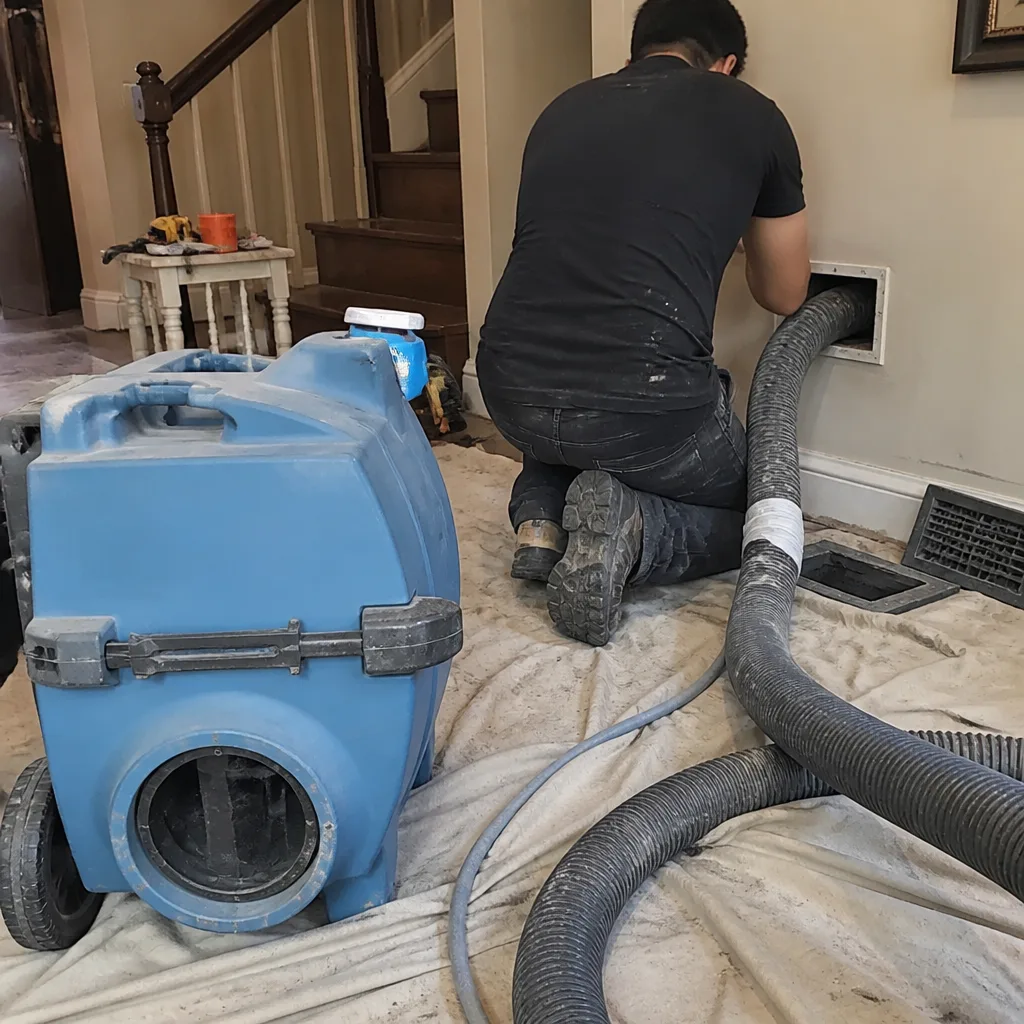 Before
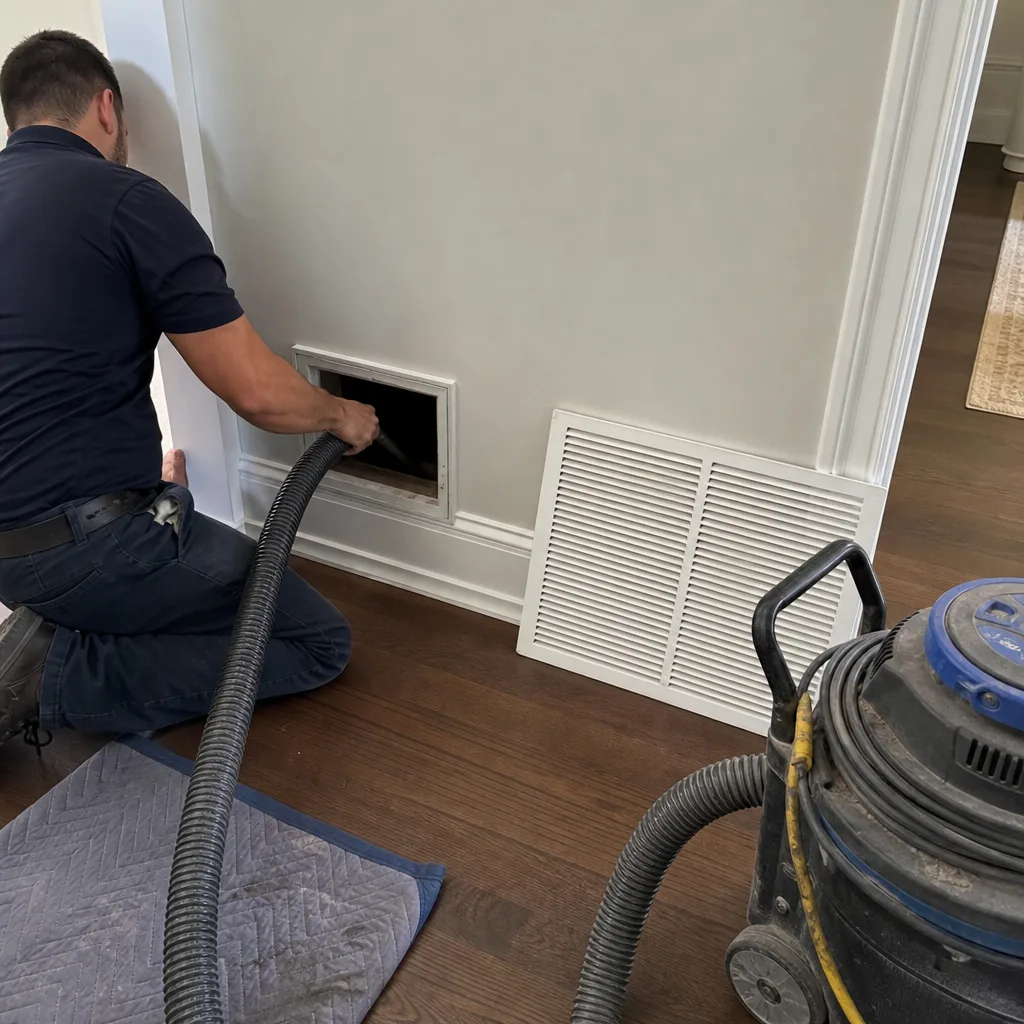 After
After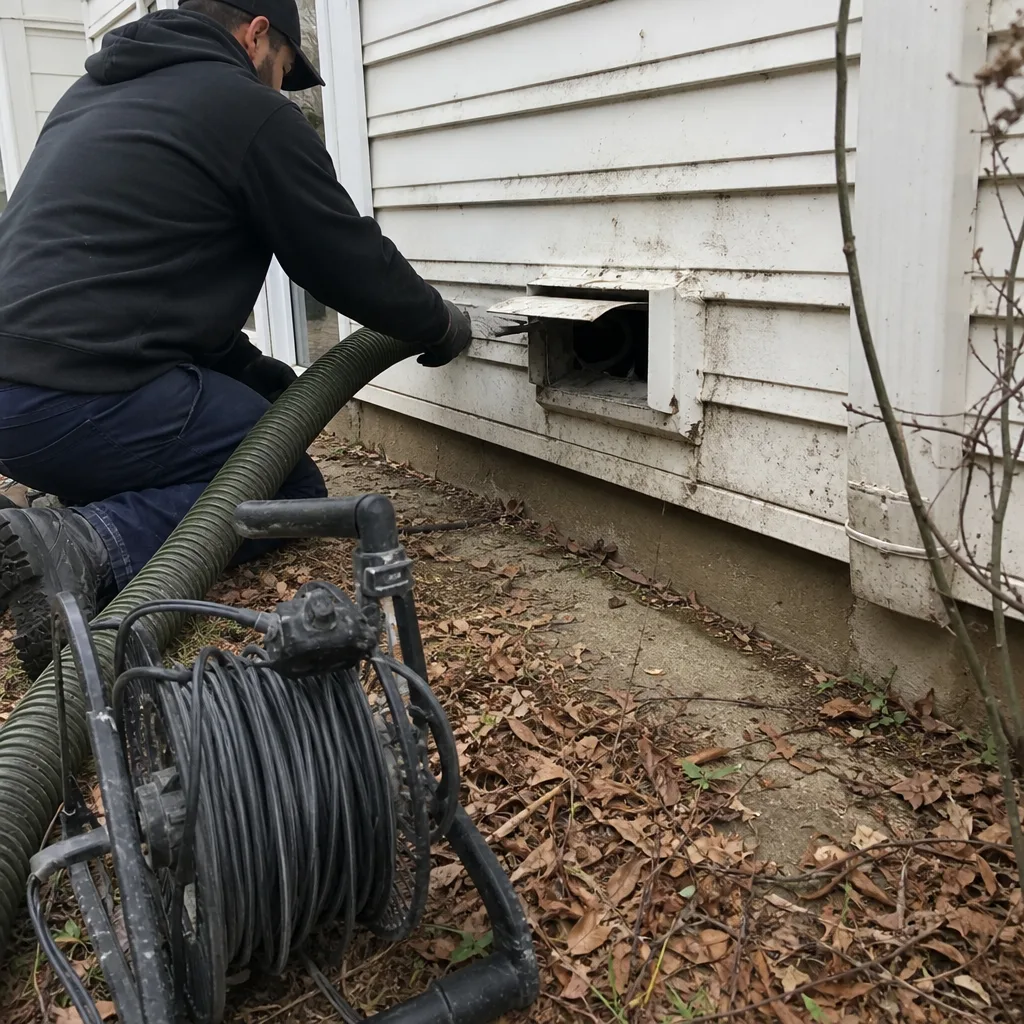 Before
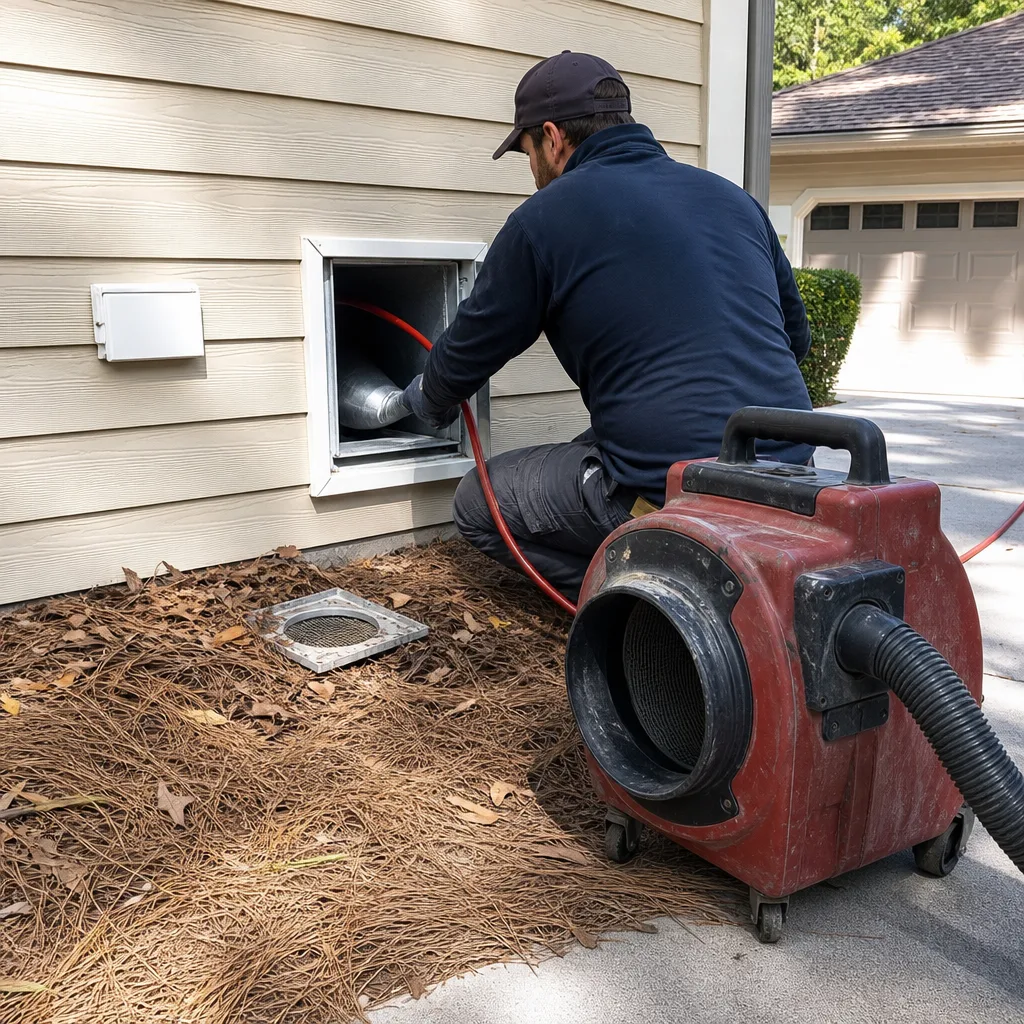 After
After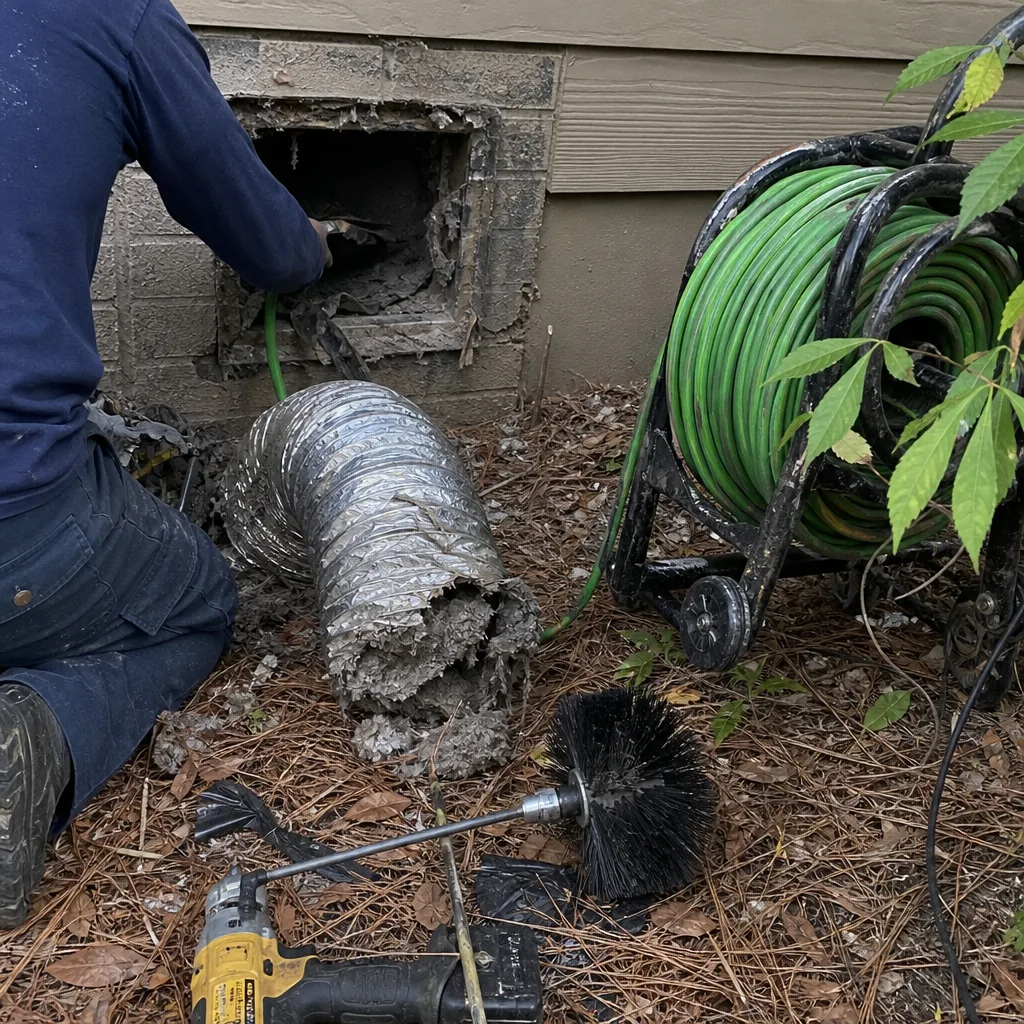 Before
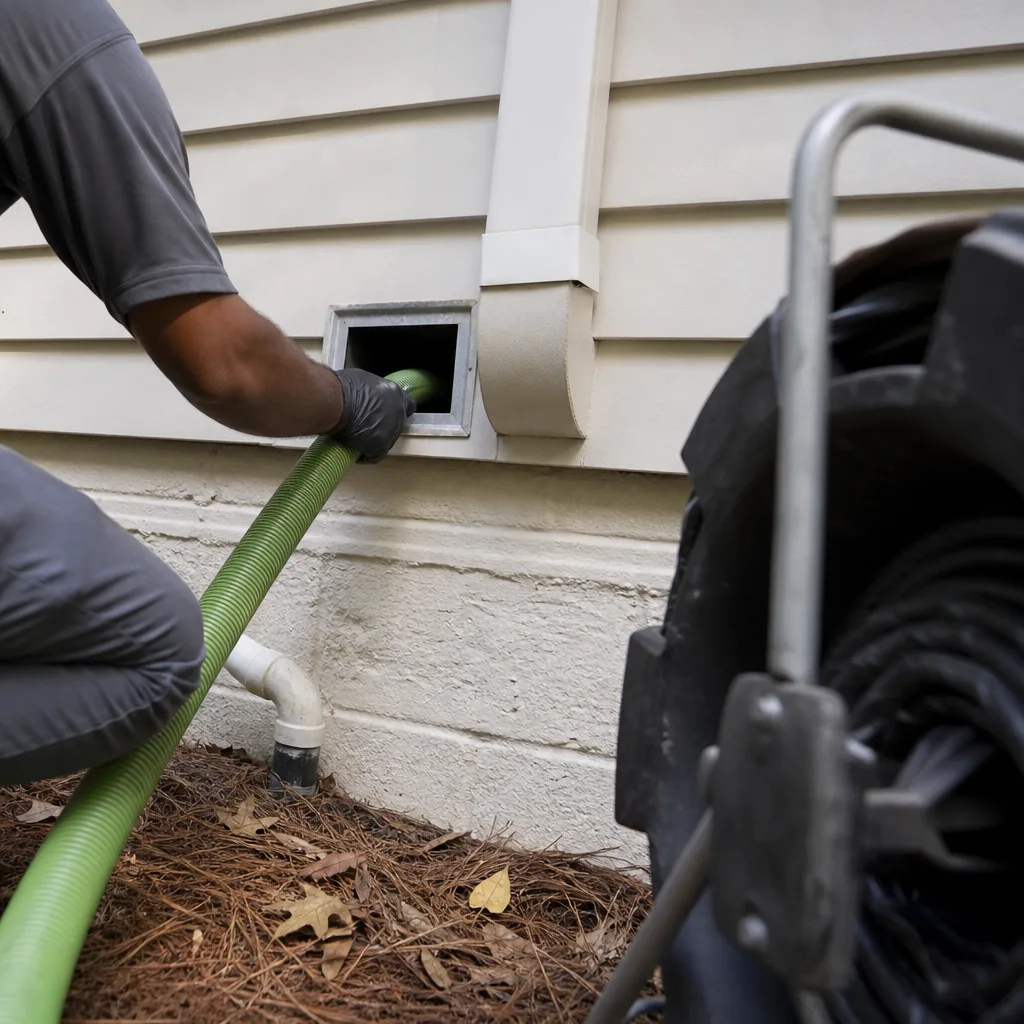 After
AfterReplacement Cost & What’s Included
For Sandy Springs homes, here’s the honest range for the most common Rotobrush vent sanitizing repairs we do:
- Sanitizing cartridge replacement: $45 – $95 for the part, plus a short service call. Total typically $110 – $180.
- Spray nozzle or wand tip replacement: $25 – $60 for the part, plus labor. Total typically $90 – $160.
- Pickup tube and O-ring service: Parts under $30, but the labor includes clearing the line and testing flow. Total typically $95 – $150.
- Pump replacement: $180 – $290 depending on model year and whether it’s an aiR+ pump or a legacy Viper pump. Total installed typically $260 – $390.
Every quote includes the part, the labor, the cleanup, and a clear written price before we touch anything. If we find a second issue while we’re in there, we stop and show you before adding a dollar to the total. No surprises, no “while we were in there” upcharges. Paul Adeyemi holds the crew to that standard: one written price, agreed to before work starts.
All Rotobrush vent sanitizing parts we install carry our 365-Day Done Right Promise. If the part fails or the spray pattern isn’t right within a year, we come back and make it right, full stop.
DIY or Call Us?
There are a few things an owner can safely check before picking up the phone. Make sure the cartridge is seated fully and the quick-connect fitting has clicked. Check the line for obvious kinks or a crushed section where a hose got pinched. Listen to the pump: if it’s chattering, stop running it, because that’s cavitation, and continuing will damage the pump. Beyond that, we recommend caution. Opening the pump housing to replace a seal or picking out a clogged pickup tube with the unit still holding pressure can turn a small repair into a bigger one, and you’re working with a pressurized line and sanitizing chemicals that don’t belong on your skin or in your eyes.
If you’ve checked the seating and the line and it’s still not spraying, call us at (229) 495-2691. We’ll match the part to your Rotobrush model, put a written price in front of you, and have you back to work without guesswork.
FAQs
A Rotobrush vent sanitizing cartridge typically lasts 6 to 12 months with regular use, though a Georgia summer of heat exposure can shorten that if the unit lives in a hot van or garage. We see most Sandy Springs owners getting one full season plus part of a second before the flow weakens noticeably.
Sometimes. If the pump is chattering but still builds some pressure, a seal and O-ring kit often brings it back. If it’s been run dry to the point of scoring the internal cylinder, replacement is the only honest fix, and we’ll show you the scoring before recommending that. Call (229) 495-2691 and describe what you’re hearing; we can usually tell you which way it’s likely to go before we even arrive.
Most cartridge, nozzle, and line repairs take 30 to 60 minutes on site. A pump replacement runs closer to 90 minutes because we’ll flush the line and test the spray pattern on every vent before we roll up the hose.
Yes. We stock Rotobrush-compatible cartridges, nozzles, O-rings, pickup tubes, and the most common aiR+ pump assemblies on our service vehicles. For less common parts, we can typically have them in hand within a few days and will confirm the schedule before you commit to anything.
If your Rotobrush vent sanitizing system isn’t spraying the way it should, call Mortons Air Duct Sandy Springs at (229) 495-2691. We’ll tell you what’s wrong, what it costs to fix, and exactly what we’ll do before we do it. Estimates are free, and a real person answers the phone.
Written by Paul Adeyemi, Owner & Lead Technician, Mortons Air Duct Sandy Springs at Mortons Air Duct Sandy Springs, serving Sandy Springs and nearby areas.